Checklist for Preparing Your Vehicle for a Successful Trade-in Process
Understanding the Trade-in Landscape
The process of trading in your vehicle can be an efficient way to transition into a new car while offsetting some of its costs. However, the key to maximizing your trade-in value lies in understanding the elements that dealers consider when assessing a vehicle. By familiarizing yourself with these aspects, you can approach negotiations with confidence and clarity.
Market Trends: Know When to Trade
Timing is a critical factor in the trade-in process. Seasonal trends and economic conditions can greatly influence the value of your vehicle. For example, SUVs and trucks tend to fetch higher values in winter months due to increased demand, while convertibles and sports cars are more sought after in the spring and summer.
Additionally, macroeconomic factors like fuel prices can affect vehicle values. High gas prices might increase the demand for fuel-efficient cars while decreasing interest in less efficient models. Keeping abreast of these market trends can guide you to a strategic timing for your trade-in.
Vehicle Condition: The Core of Valuation
The physical and mechanical condition of your vehicle is perhaps the most significant determinant of its trade-in value. Dealers look for vehicles that are well-maintained and free from major defects. Here’s a checklist to ensure your vehicle is in prime condition before heading to the dealership:
- Exterior Condition: Ensure that your car's paint is intact, free from rust, dents, or scratches. Consider professional detailing to improve its aesthetic appeal.
- Interior Cleanliness: Remove personal items and ensure that seats and dashboards are clean. Address any odors by using interior cleaning solutions or professional services.
- Mechanical Health: Make sure that all systems, such as brakes, engine, and transmission, function correctly. Minor repairs might pay off in terms of increased trade-in offers.
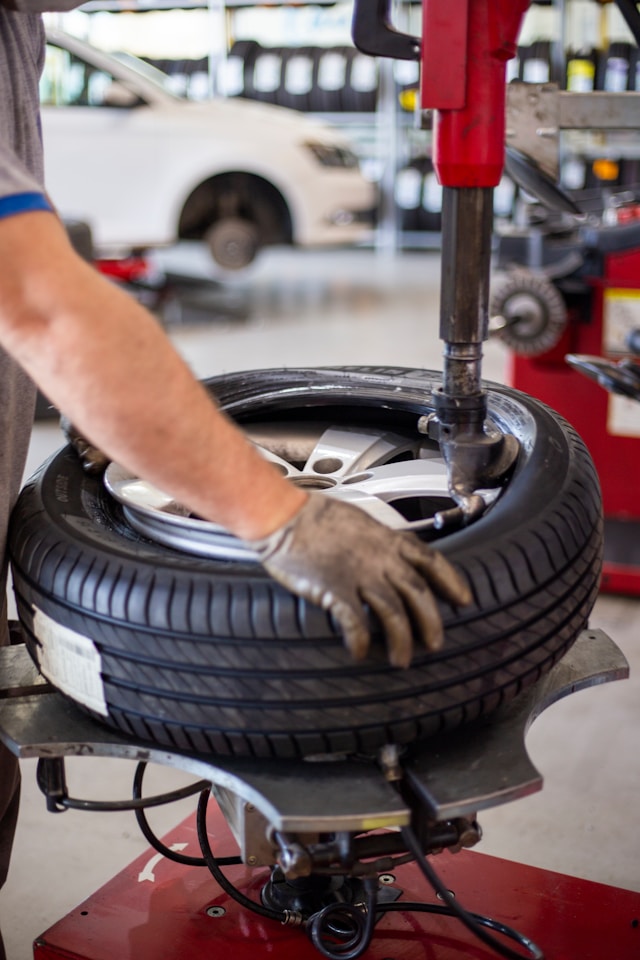
- Tire Condition: Tires should have adequate tread depth and be free from visible damage.
A comprehensive inspection can preempt potential devaluation during negotiations, positioning you for a better offer.
Preparing Documentation
Documentation is vital when presenting your car for a trade-in. This includes service records, title documents, and proof of ownership. A well-documented service history can assure dealers of consistent maintenance, which can positively impact the valuation.
Service Records: Demonstrating Maintenance
A car with comprehensive service records presents itself as well-maintained and less likely to have hidden problems. It indicates that regular oil changes, brake checks, and other maintenance routines were observed, thus enhancing reliability perceptions.
If you've lost records, try contacting your service provider or use online platforms that track service histories to piece together as much documentation as possible.
Vehicle History Report: Transparency is Key
Obtaining a vehicle history report from reputable services such as Carfax or AutoCheck can be beneficial. These reports reveal past accidents, title issues, and service intervals. They build transparency, which can enhance trust between you and potential buyers or dealers.
Navigating Trade-in Negotiations
Armed with market knowledge, a well-prepared vehicle, and complete documentation, you’re now ready to enter negotiations. Here are strategies to optimize your discussions:
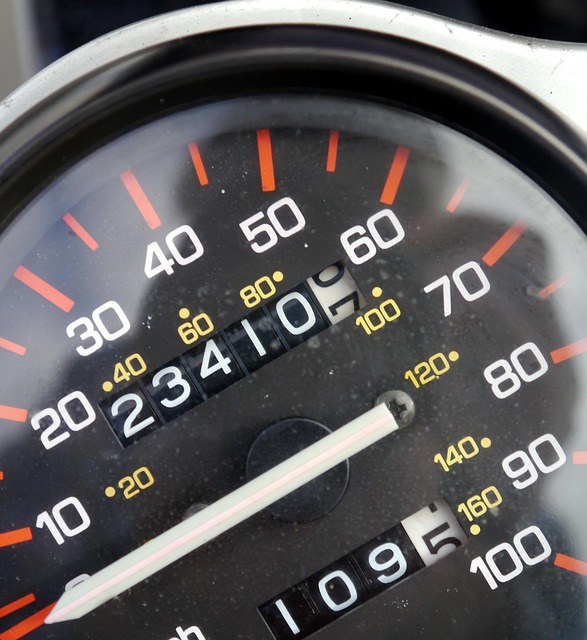
- Know Your Vehicle’s Value: Use online resources like Kelley Blue Book or Edmunds to get an estimate of your car’s worth based on its condition and mileage.
- Separate Transactions: It's often beneficial to negotiate the trade-in value separately from the purchase of a new vehicle to avoid confusion and ensure transparency.
- Be Ready to Walk Away: If the offered price doesn't meet your expectations based on your research, don't hesitate to explore offers from other dealers or online platforms.
Your preparation will provide leverage in negotiations, leading to a potentially better outcome.
Alternative Approaches
Beyond traditional dealerships, several alternative methods exist for trading in vehicles, each with distinct advantages and disadvantages:
Online Platforms: Convenience at Your Fingertips
Services like Carvana or Vroom offer online assessments and quotes for trade-ins. They provide convenience through their digital interfaces but may offer lower values than local dealers due to logistics costs and non-negotiable quotes.
Private Sale: Maximizing Return
Selling directly to another buyer typically yields higher returns compared to trade-ins. However, this approach requires more time and effort in terms of listing, meeting potential buyers, and handling paperwork.
If you choose this route, ensure competitive pricing by researching similar listings and emphasizing your vehicle’s strengths supported by your documentation.
Conclusion
A successful trade-in process involves careful preparation, strategic timing, and savvy negotiation skills. By understanding market trends and maintaining your vehicle's condition along with thorough documentation, you can greatly enhance your trade-in value. Whether opting for traditional dealerships or exploring online platforms, each approach has its merits depending on your priorities—be it convenience or maximizing financial returns. Always be informed and prepared as you navigate this crucial step towards acquiring your next vehicle.