Comparing Private Sale vs. Trade-In: Which Is More Profitable?

Understanding Car Depreciation: The Basics
When deciding between a private sale and a trade-in, understanding the factors that contribute to a car's depreciation is crucial. Depreciation is the reduction in the value of a vehicle over time, primarily driven by wear and tear, mileage, market demand, and the introduction of newer models. On average, cars lose about 20% of their value in the first year and approximately 15% annually in subsequent years. By the fifth year, a car could be worth just around 40% of its original purchase price.
The Role of Mileage in Depreciation
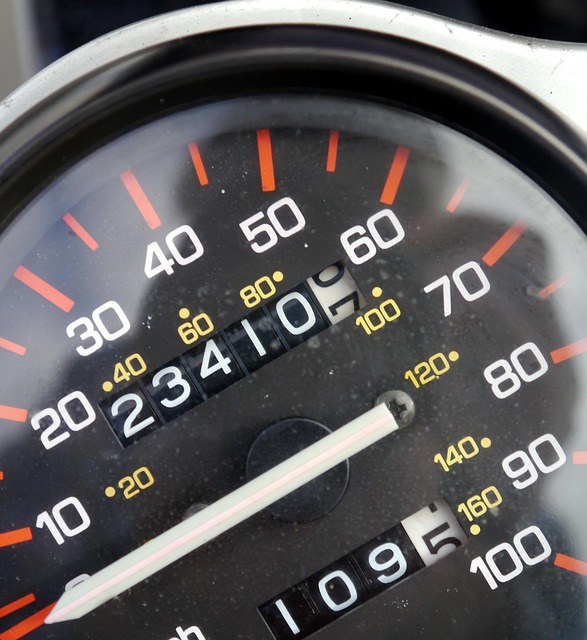
Mileage is one of the most significant factors affecting a car's resale value. For example, two identical cars from the same model year might differ greatly in value if one has 30,000 miles while the other has 80,000 miles. Generally, higher mileage means more wear on the vehicle, which leads to greater depreciation. Buyers often view high-mileage cars as less reliable due to the perceived likelihood of future repairs.
When selling your car privately or trading it in, keeping mileage in check can boost your sale price. Consider Samantha's experience: she meticulously maintained her vehicle and kept its mileage low by using public transport for daily commutes. When it came time to sell, her car's mileage was significantly below the national average, allowing her to set a higher asking price in a private sale compared to a trade-in offer.
Condition: Cosmetic and Mechanical Factors
The condition of a car encompasses both its mechanical performance and aesthetic appeal. Cars in excellent condition with minimal scratches and interior wear typically retain higher values. Routine maintenance such as oil changes, brake checks, and tire rotations can help preserve a car's condition and thus its value.
A case study involving Tom illustrates this point well. Tom had two options: sell his car privately or trade it in at a local dealership. Although the dealership offered convenience, they valued his vehicle lower due to minor cosmetic damages like paint chips and upholstery stains. After investing in minor touch-ups and professional detailing for under $500, Tom sold his car privately for $2,000 more than the trade-in offer.
Evaluating Market Demand
Market demand varies based on brand reputation, model popularity, fuel efficiency, and even color preferences. Vehicles from brands known for reliability such as Toyota or Honda often have slower depreciation rates. SUVs and trucks generally retain more value due to their versatility and high demand in both urban and rural settings.
If you’re selling a hybrid or electric vehicle, demand can be contingent on geographical location due to varying levels of interest in green technology. For instance, selling a Tesla in California might yield better offers than in areas with less emphasis on eco-friendly vehicles.
Private Sale vs. Trade-In: A Profitability Analysis
Pros of Selling Privately
- Higher Sale Price: Private sales typically result in higher sale prices as you are dealing directly with the buyer without intermediary markups.
- Negotiation Power: You have full control over pricing and negotiations.
Consider Rachel, who listed her compact car online. After fielding multiple inquiries and a few test drives, she negotiated a price that was 25% higher than what dealerships offered.
Cons of Selling Privately
- Time-Consuming: Finding a buyer can take weeks or even months.
- Dealing with Buyers: You may encounter unreliable buyers who cancel last minute or fail to show up for test drives.
Pros of Trade-In
- Convenience: Dealerships handle paperwork and logistics, making it an effortless process.
- Time-Saving: The trade-in process is often completed within a day.
John opted for a trade-in when buying a new SUV. Despite receiving less for his old sedan than if he sold privately, the quick transaction allowed him to capitalize on a limited-time promotion for his new vehicle.
Cons of Trade-In
- Lower Offers: Dealers often offer below market value since they need to resell at a profit.
- Lack of Negotiation: Offers may be non-negotiable compared to private sales.
Conclusion: Making an Informed Decision
The choice between a private sale and trade-in largely depends on your priorities—whether you seek convenience or maximum profit. Consider your car's mileage, condition, market demand, and how much time you're willing to invest. By carefully evaluating these factors, you can make an informed decision that aligns with your financial goals.