Comprehensive Guide to Assessing the Quality of Used Cars
Understanding the Importance of a Thorough Inspection
Purchasing a used car can be a smart financial decision, offering significant savings compared to buying new. However, it also requires diligence to ensure you are getting a vehicle that is reliable and priced fairly. A thorough inspection is a critical step in this process. This guide provides a detailed checklist to help you assess the condition and value of a used car.
Exterior Examination
The exterior of the car can tell you a lot about its past. Begin by examining the bodywork for any signs of damage or repair. Look for mismatched paint, which can indicate a past accident. Don’t forget to check the condition of the tires, as uneven wear could point to alignment issues or other problems with the suspension.
- Body Panels: Inspect for dents, scratches, or rust. Use a magnet to detect bondo or filler repairs that are not visible to the naked eye.
- Windows and Mirrors: Ensure there are no cracks or chips that could expand over time.
- Lights: Check all lights for functionality and ensure the lenses are not fogged or cracked.
Interior Assessment
Next, move on to the interior of the car. The condition inside can give you clues about how well the previous owner maintained the vehicle.
- Seats and Upholstery: Look for tears, stains, or excessive wear that may require repair.
- Dashboard and Controls: Check that all gauges, air conditioning, heating, and other controls function correctly.
- Odor: A musty smell could indicate water damage, while a strong air freshener might be masking more serious issues.
Under the Hood
The engine compartment is where many potential issues might lurk. Even if you're not mechanically inclined, there are some basic checks you can perform.
- Fluid Levels: Ensure oil, coolant, brake fluid, and transmission fluids are at proper levels and appear clean.
- Belt Condition: Inspect belts for cracks or wear as they could lead to costly repairs if they fail.
- Battery: Check for corrosion on battery terminals and ensure that it's securely mounted.
Understanding Vehicle History Reports
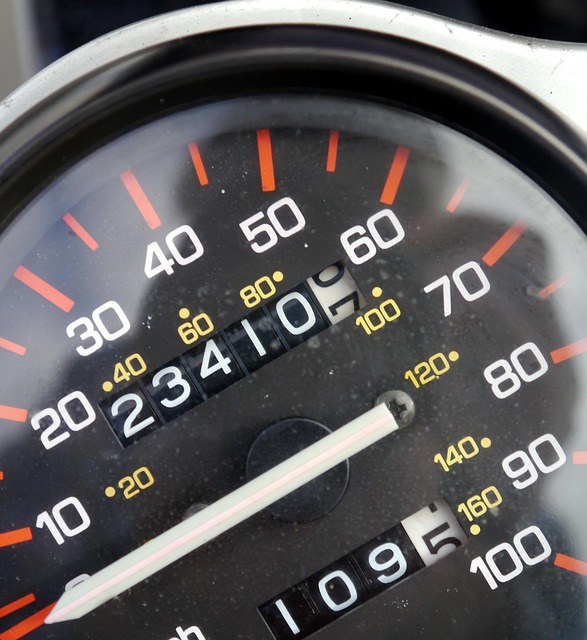
A vehicle history report is an invaluable tool when assessing a used car. These reports can reveal crucial information such as past accidents, title issues, service history, and odometer readings. Services like Carfax or AutoCheck provide these reports for a nominal fee.
Key Elements of a Vehicle History Report
When reviewing a vehicle history report, pay attention to these areas:
- Title Status: Make sure the title is clean and not salvaged or rebuilt.
- Accident History: Note any previous accidents and consider the extent of damage reported.
- Service Records: Regular maintenance is a sign of good vehicle care and can increase its lifespan.
Taking the Car for a Test Drive
A test drive is your opportunity to get a real feel for the car's condition. Pay attention to how it handles on different road types and listen for unusual noises that could indicate problems.
- Braking: Test brakes at various speeds to ensure they are responsive and don't squeal or vibrate.
- Handling: The steering should be smooth and not pull to one side.
- Smoothness of Ride: Unusual vibrations could point to alignment issues or suspension problems.
During the Test Drive
As you drive, try to replicate the conditions you'll encounter in your typical usage, such as highway speeds and city driving.
- Listen for rattles and clunks that could indicate suspension issues.
- Ensure acceleration is smooth without hesitation.
Price Comparisons and Market Research
Finally, compare prices for similar vehicles in your area. Websites like Kelley Blue Book or Edmunds can provide market value estimates based on make, model, year, condition, and mileage. Be wary of prices that seem too good to be true; they might hide potential problems not immediately apparent during your inspection.
Navigating Negotiations
If you've done your homework and identified some issues during your inspection, use this information to negotiate a fair price. Be prepared to walk away if the seller is unwilling to address significant concerns or adjust the price accordingly.
- Leverage any minor faults or upcoming maintenance as negotiation points.
- If a major repair is needed, research repair costs in advance to justify your offer.
The Role of Professional Inspections
If you're still uncertain about the car's condition after completing your evaluation, consider hiring a professional mechanic for an in-depth inspection. This service typically costs between $100-200 but can save you from costly repairs down the road by uncovering hidden issues that you might have missed.
Checklist for Professional Inspection Requests
- Request an inspection from a certified mechanic who specializes in the type of car you're considering.
- Ensure they provide a detailed report on their findings, including potential repair costs.
This comprehensive guide aims to arm you with the knowledge necessary to make an informed purchase when it comes to used cars. With these steps outlined above, you'll have the tools to assess quality confidently and find a car that meets both your needs and budget.