how vehicle history reports can aid in price negotiations
The Role of Vehicle History Reports in Buying Used Cars
When purchasing a used car, gaining leverage in price negotiations can significantly impact your overall satisfaction with the deal. One potent tool in a buyer's arsenal is the vehicle history report. These reports provide invaluable insights into the car's past, revealing details that are often not disclosed by the seller.
Let's delve into how these reports can bolster your negotiation strategy, enabling you to drive away with a better price or a more favorable agreement.
What is a Vehicle History Report?
A vehicle history report is essentially the biography of a car. It contains information about previous owners, accident history, mileage, title status, and more. These reports are typically compiled from data collected from motor vehicle departments, insurance companies, repair shops, and law enforcement agencies.
Key Elements of a Vehicle History Report
- Ownership History: Details about past owners and duration of ownership can indicate if the car has been frequently traded in or held for long periods.
- Accident History: This shows any recorded accidents or damage, which can help assess the potential for future issues.
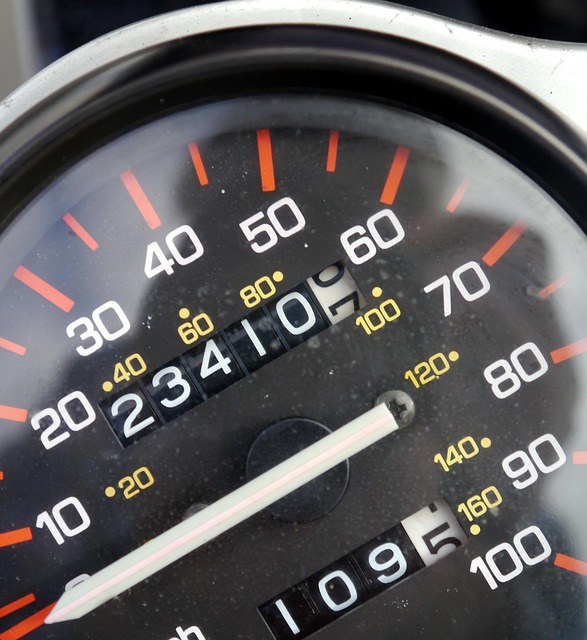
- Mileage Verification: Ensures that the odometer reading is consistent with reported mileage over the car's lifespan.
- Service Records: Provides insights into maintenance and repairs performed on the vehicle.
How to Obtain a Vehicle History Report
Obtaining a vehicle history report is straightforward. Companies like Carfax, AutoCheck, and others offer comprehensive reports for a fee. Some dealers might even provide these reports for free as part of their transparency initiative.
Once you have the report, review it carefully before entering any negotiations. Understanding the implications of each section will allow you to use this information effectively during discussions with the seller.
Using Vehicle History Reports to Negotiate Price
Here’s how you can leverage information from the report during negotiations:
Identify Red Flags
If the report indicates issues such as frequent accidents, inconsistent mileage, or salvage titles, use these as leverage to argue for a lower price. Pointing out these concerns emphasizes your knowledge and preparedness, which can compel the seller to reconsider their asking price.
Highlight Missing Information
A lack of service records or missing ownership details can suggest negligence in car maintenance or hidden problems. Highlight these gaps when negotiating, proposing that they justify a lower price given the potential risks involved.
Use Market Research in Tandem
Combine insights from the vehicle history report with current market data. Websites like Kelley Blue Book or Edmunds provide valuable benchmarks for used car pricing based on model, year, and condition. By aligning market prices with historical data from the report, you strengthen your position in arguing what the car is worth.
Acknowledge Positive Aspects
If the report is clean and shows regular maintenance and no accidents, acknowledge this during negotiations but contrast it with similar listings that are priced lower. Sellers might be willing to lower their price slightly to match market competition.
Preparing for Negotiations: A Step-by-Step Guide
Step 1: Research Thoroughly
Start by researching the specific make and model you're interested in. Understand typical prices based on various conditions using tools mentioned earlier. Having a clear idea of what others are paying gives you a realistic benchmark.
Step 2: Obtain and Review Multiple Reports
If possible, obtain reports from different sources to cross-verify information. Discrepancies between reports could highlight areas for further inquiry or suspicion.
Step 3: Set Your Budget and Prioritize Needs
Before entering negotiations, determine your maximum budget. Consider what aspects of the car (e.g., low mileage, accident-free history) are non-negotiable versus where you might compromise.
Step 4: Craft Your Offer Strategically
Begin with an offer that allows room for negotiation but remains rooted in facts derived from your research and the vehicle history report. Be prepared to explain how you arrived at this figure.
The Benefits of Leveraging Vehicle History Reports
- Transparency: Armed with factual data, you engage in discussions confidently and credibly.
- Informed Decisions: Understanding potential pitfalls enables you to make smarter purchasing choices.
- Bargaining Power: Demonstrating due diligence through these reports can tilt negotiations in your favor.
A savvy buyer does not merely rely on price tags but delves deeper into a vehicle's background to uncover truths that empower better decision-making. The strategic use of vehicle history reports is central to this process, equipping you with the insight needed to secure not just any deal—but the right deal.