Strategies for Researching Fair Market Prices Before Selling

Understanding the Importance of Fair Market Value
Selling your car can be a daunting task, especially when trying to determine its fair market value. This price is crucial as it dictates what you can realistically expect to receive during a sale. A misjudged valuation can lead to financial losses or an unsellable vehicle. Thus, understanding how to effectively research and establish your car's worth is an indispensable skill for any seller.
Researching Your Car's Market Value
To start, it is essential to gather data from multiple sources to accurately gauge your car's worth. Websites like Kelley Blue Book, Edmunds, and NADA Guides are excellent starting points. They provide estimates based on current market trends, regional demand, and historical sales data. Inputting your vehicle’s make, model, year, condition, and mileage into these platforms can offer a rough estimate of its value.
Using Online Valuation Tools
- Kelley Blue Book: Provides both trade-in values and private party sales prices, reflecting regional variations in pricing.
- Edmunds: Offers the True Market Value (TMV), which considers local supply and demand, seasonality, and economic conditions.
- NADA Guides: Often used by dealers, this tool is valuable for understanding the retail versus trade-in value.
It's advisable to use at least two of these resources to cross-reference data and ensure accuracy.
Evaluating Similar Listings
After obtaining initial estimates, examine listings on platforms like Autotrader or Craigslist for vehicles similar to yours. Pay close attention to cars with comparable age, mileage, and condition. This will help validate online tool estimates and provide insight into asking prices in your area.
Factors Influencing Car Value
Several factors can influence your car's market value, and understanding these can empower you to maximize your return.
Mileage and Condition
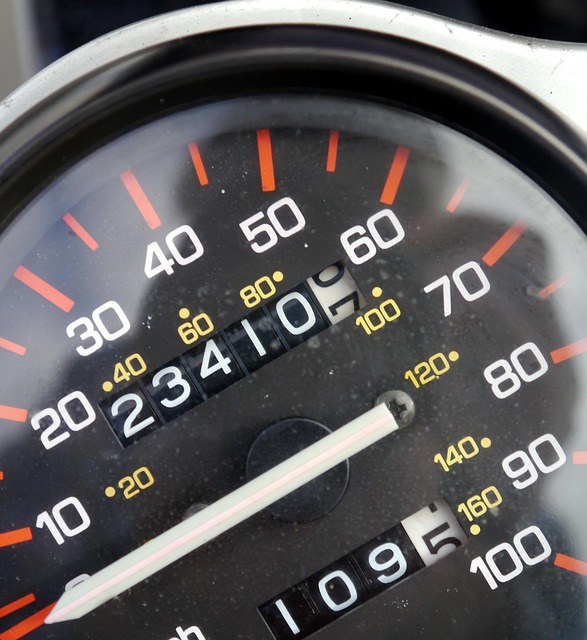
Mileage is often one of the first aspects buyers consider. A vehicle with lower mileage is generally more attractive and can fetch a higher price. Similarly, the condition of the car—both mechanical and cosmetic—can significantly impact its perceived value.
Timing Your Sale
The timing of your sale can affect demand and price. For instance, convertibles may sell better in spring or summer when buyers are looking forward to enjoying open-air driving. Understanding seasonal trends in your area can provide an edge in setting your selling strategy.
Market Trends and Economic Conditions
Broad market trends such as shifts in fuel prices or economic downturns can also influence car values. For example, a spike in fuel prices might increase demand for smaller, fuel-efficient cars while decreasing interest in larger SUVs.
Preparing Your Car for Sale
Maximizing your car's trade-in value often requires preparation beyond mere valuation research. Here are steps to ensure you get the best price:
Conduct Necessary Repairs
Investing in minor repairs can significantly increase your car's appeal. Address visible dents, replace worn-out tires, or fix broken lights. Spending a small amount on repairs can potentially raise your asking price substantially.
Professional Detailing
A well-presented car sells faster and at a better price. Consider professional detailing to make your vehicle look pristine. Clean the interior thoroughly, polish exteriors, and ensure it has no unpleasant odors.
Navigating Negotiations
Once you're confident in your car's value, be prepared to negotiate with potential buyers. Here are some strategies:
- Set a Reasonable Price Range: Start slightly above what you're willing to accept to leave room for negotiation.
- Be Informed: Present data from your research to justify your asking price.
- Know When to Walk Away: If an offer is too low, remember that holding out for a better deal can often pay off.
The Role of Documentation
Documentation plays a critical role in reinforcing the value of your car. Have maintenance records available to demonstrate care history. Providing potential buyers with this information can build trust and affirm your asking price.
Conclusion: Maximizing Your Return
Selling a car involves much more than merely putting it on the market. Thorough research, strategic preparation, and clear documentation are key elements in achieving a fair price. By understanding market trends, properly valuing your vehicle using reliable tools, preparing it aesthetically and mechanically, and being prepared for negotiations, you can optimize the sale process and maximize your return.