Comparative Analysis of Occasional Driving and High Mileage Coverage Options
Understanding Pay-Per-Mile Insurance
In recent years, pay-per-mile car insurance has emerged as a flexible alternative to traditional insurance models. This type of insurance charges drivers based on the number of miles they drive, offering a potentially cost-effective solution for those who do not use their vehicles extensively.
For instance, if you live in an urban area with excellent public transportation, you might find yourself using your car only for occasional weekend trips or emergencies. In such scenarios, paying a standard monthly insurance premium may seem like a waste of resources. Instead, pay-per-mile insurance allows you to pay a lower base rate supplemented by a per-mile charge, thereby reflecting your actual road usage.
How Does It Work?
Pay-per-mile insurance models typically involve two components: a base rate and a per-mile fee. The base rate is a fixed cost calculated using factors such as your driving history, vehicle type, and location. The per-mile fee then accounts for the miles you actually drive each month. With this system, your monthly premium can vary significantly based on your driving habits.
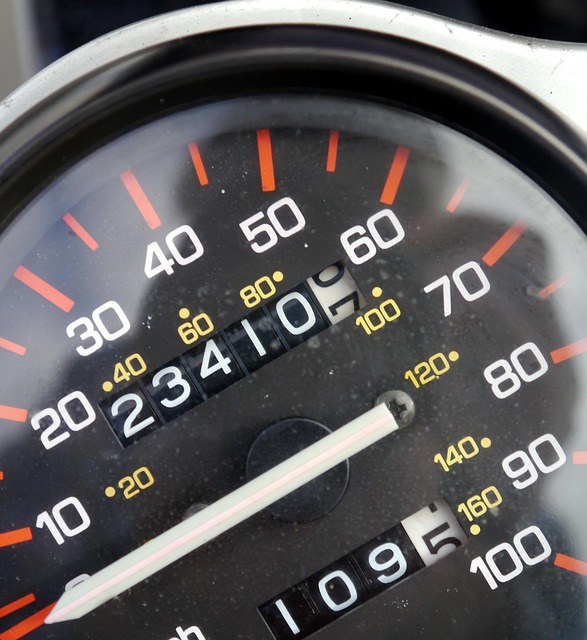
To track mileage, insurance companies often use telematics devices or mobile apps that record the distance covered by the vehicle. These tools provide an accurate measure of your road usage and allow for precise billing.
Case Study: Jenny's Urban Lifestyle
Jenny lives in San Francisco and commutes primarily by bike or public transportation. She only drives her car on weekends. With a traditional insurance plan, she paid around $120 monthly. After switching to a pay-per-mile plan with a $40 base rate and $0.05 per mile, her average monthly cost dropped to about $55—more than a 50% savings.
The Traditional Car Insurance Model
Traditional car insurance is characterized by a set monthly premium that remains constant regardless of how much you drive. It offers predictability, which many find convenient for budgeting purposes. Typically, premiums are influenced by a range of factors including driver age, accident history, and location but do not fluctuate with mileage.
High-mileage drivers often favor this model as it offers better value when the costs are amortized over more miles. With traditional plans, once the premium is set, policyholders can drive without worrying about escalating costs from increased mileage.
Case Study: Mark's Cross-Country Commute
Mark is a sales manager who frequently drives between states. He racks up approximately 30,000 miles annually. Under his traditional insurance plan, he pays $110 monthly. For him, pay-per-mile would not be practical; at $0.05 per mile, his monthly costs would soar to nearly $150 on top of a base rate.
Pros and Cons of Each Model
- Pay-Per-Mile Pros: Ideal for low-mileage drivers; cost savings; incentivizes driving less.
- Pay-Per-Mile Cons: Costs can vary unpredictably; requires mileage tracking.
- Traditional Insurance Pros: Predictable monthly payments; may offer better value for high-mileage drivers.
- Traditional Insurance Cons: Fixed rates may seem unfair for occasional drivers; no savings for reduced usage.
Which Model Suits You?
The choice between pay-per-mile and traditional car insurance largely depends on your driving habits and lifestyle. To determine the best option:
- Assess Your Annual Mileage: Calculate how much you drive annually to determine potential cost savings with pay-per-mile plans.
- Consider Predictability: Decide if stable monthly costs outweigh possible savings for you.
- Evaluate Tracking Methods: If you value privacy, consider whether telematics tracking aligns with your preferences.
The Impact of Driving Behavior
Your choice might also be influenced by how your driving behavior aligns with each model's incentives. Pay-per-mile incentivizes reduced driving, which could lead to broader environmental benefits through decreased emissions.
Practical Tips for Choosing Insurance
- Request Quotes: Obtain quotes from both models to compare potential costs directly based on your estimated mileage.
- Review Discounts: Investigate any available discounts that could affect your total costs—such as good driver or low-mileage discounts in traditional plans.
- Plan Ahead: Consider lifestyle changes that may affect your annual mileage in the near future, such as a new job or relocation.
Conclusion
The decision between pay-per-mile and traditional insurance should be guided by an informed assessment of personal driving patterns and financial goals. While occasional drivers stand to benefit significantly from the flexibility and potential savings offered by pay-per-mile plans, high-mileage drivers may find solace in the stability of traditional models. As automotive needs evolve, so too does the necessity for adaptable insurance solutions that cater to diverse lifestyles.