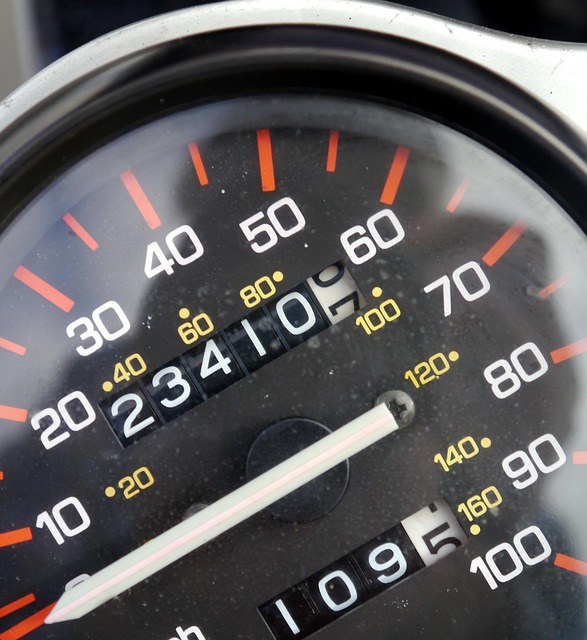
deciding on the best deductible based on your driving habits

Understanding Car Insurance Deductibles
When purchasing car insurance, one of the most important decisions you'll make is choosing the right deductible. The deductible is the amount you pay out of pocket before your insurance covers the rest. This choice directly impacts both your monthly premiums and how much you’ll pay in the event of a claim.
The Balance Between Premiums and Deductibles
The trade-off between a higher deductible and lower premium—or vice versa—is crucial in deciding what works best for you. Generally, a higher deductible means lower monthly premiums, while a lower deductible results in higher premiums. This relationship allows drivers to customize their policies to align with their financial situations and risk tolerance.
Assessing Your Driving Habits
Your driving habits significantly influence your deductible decision. Understanding your risk level on the road helps determine whether a high or low deductible is suitable for you.
Frequency of Driving
- High Mileage: If you commute long distances daily or frequently take road trips, you might encounter more risks simply due to more time on the road. In this case, a lower deductible may be preferable to reduce out-of-pocket costs after an accident.
- Low Mileage: For those who drive occasionally or have short commutes, a higher deductible could lead to savings on premiums, as the likelihood of filing a claim might be lower.
Driving Environment
Consider where you typically drive. Urban areas tend to have higher risks of accidents and theft compared to rural areas due to traffic density.
- Urban Drivers: A lower deductible might be wise if you frequently drive in busy cities with high accident rates.
- Rural Drivers: If you live in a rural area with less traffic, a higher deductible could be a cost-effective option.
Financial Considerations
Your financial situation should heavily influence your deductible choice. Here are some key factors to consider:
Emergency Savings
If you have substantial savings, you might afford a higher deductible knowing you can cover it if necessary. Conversely, if your savings are limited, opting for a lower deductible may be safer to avoid large out-of-pocket expenses.
Monthly Budget Constraints
Evaluate how much you can comfortably pay for insurance each month. A tighter budget might necessitate choosing a higher deductible to keep premiums lower. However, ensure you're prepared for the financial responsibility if you need to file a claim.
Calculating Your Ideal Deductible
Finding the right deductible involves a balance between risk tolerance and financial capability. Here’s how to approach it:
Estimate Potential Savings and Costs
- Calculate the difference in annual premiums between two different deductibles (e.g., $500 vs. $1000).
- Assess how many years you'd need without claims at a higher deductible before you start saving money despite potentially higher out-of-pocket costs during a claim.
Personal Risk Assessment
Ask yourself these questions:
- How likely am I to get into an accident based on my driving history?
- Can I afford the deductible I've chosen without financial strain?
Consult with Insurance Providers
Your insurance agent can provide quotes and help compare options. They can offer insights into industry trends, such as average repair costs for vehicles similar to yours, further aiding your decision.
Examples of Deductible Choices Based on Driver Profiles
Let’s look at some hypothetical scenarios:
- The Commuter: Alex drives 50 miles each day through city traffic. He chooses a $500 deductible for peace of mind knowing that the risk of minor accidents is higher, thus ensuring manageable out-of-pocket costs.
- The Weekend Warrior: Jamie uses her car primarily for weekend activities and lives in a suburban area. She opts for a $1,000 deductible to benefit from reduced premiums since her exposure is limited.
The Long-Term View
Your deductible choice isn’t set in stone. Review your policy annually or as your circumstances change. Life events such as moving to a different area, buying a new car, or changes in income might prompt reevaluation of your deductible choice.
Conclusion
Selecting the right car insurance deductible is a personal decision intertwined with understanding your financial limits and driving behaviors. By evaluating your individual needs, risks, and financial capacity, you can tailor your insurance coverage for both current peace of mind and future savings.