Examining Pros and Cons of Different Car Insurance Policies for Drivers
Understanding the Basics: Types of Car Insurance Policies
Car insurance is a vital aspect of vehicle ownership, providing financial protection against accidents, theft, and other unexpected events. The most common types of car insurance policies include liability, comprehensive, and collision coverage. Each serves distinct purposes and offers different levels of protection, making it essential for drivers to understand their options thoroughly.
Liability Insurance
Liability insurance is typically mandatory in most states in the United States. It covers damages that the insured driver causes to others in an accident. This includes bodily injury and property damage liabilities. However, it's important to note that liability insurance does not cover the policyholder's own injuries or vehicle damage.
- Pros: Lower premiums compared to other coverage types. Meets legal requirements for driving. Provides financial protection against lawsuits.
- Cons: Does not cover the policyholder's medical expenses or car repairs. Limited coverage can lead to significant out-of-pocket costs if you are at fault in a severe accident.
For instance, consider a driver in California who only has liability coverage. In an at-fault accident, their insurance would cover the other driver's repair costs and medical bills up to the policy limit, but any damage to their own vehicle or personal medical expenses would need to be covered out-of-pocket.
Comprehensive Insurance
Comprehensive insurance provides coverage for non-collision-related incidents such as theft, vandalism, natural disasters, and certain weather-related damages. It is optional but highly recommended for those living in areas with high crime rates or severe weather conditions.
- Pros: Protects against a wide range of incidents beyond accidents. Useful for vehicle owners in high-risk areas. Can help prevent financial loss from unpredictable events.
- Cons: Higher premiums than liability-only policies. May not be cost-effective for older vehicles with lower value.
A practical example can be seen with a driver in Florida who opts for comprehensive insurance due to the frequent hurricanes in the region. If a hurricane causes a tree to fall on their car, this insurance would cover the repair costs after the deductible.
Collision Insurance
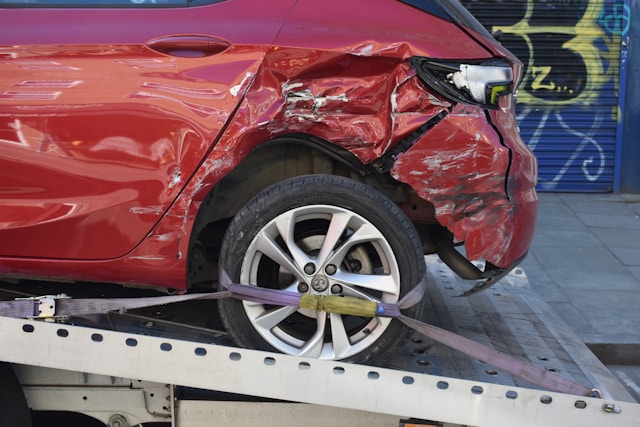
Collision insurance covers damages to the policyholder's vehicle resulting from a collision with another car or object. This type of coverage is optional but can be crucial for those wanting additional financial protection against repair costs.
- Pros: Covers repair costs regardless of fault in an accident. Beneficial for new or expensive cars where repairs could be costly.
- Cons: Higher premiums compared to liability-only policies. Deductibles can vary, affecting the overall cost-effectiveness.
Consider a scenario involving a new car owner in New York City who invests in collision insurance. If their vehicle is hit by another driver who flees the scene, collision coverage will ensure the repair costs are covered after the deductible is paid.
Choosing the Right Coverage Based on Driving Habits
Your driving habits significantly influence which car insurance policy might be best for you. Here are some factors to consider:
Frequency and Type of Driving
If you drive frequently or long distances, consider comprehensive or collision insurance since these increase your exposure to potential accidents and road hazards. Conversely, infrequent drivers might benefit more from basic liability coverage with lower premiums.
Vehicle Usage
Vehicles primarily used for business might require more extensive coverage due to increased mileage and risk exposure. On the other hand, cars used occasionally or stored safely might do well with minimal coverage.
The Financial Perspective: Balancing Cost and Coverage
Your financial situation plays a pivotal role in determining the most suitable insurance policy.
Budget Constraints
If budget constraints are a major concern, focusing on essential coverage like liability insurance might be prudent. However, always balance savings with potential out-of-pocket costs should an incident occur.
Value of Your Vehicle
Newer or high-value vehicles typically benefit from both comprehensive and collision insurance due to higher repair and replacement costs. In contrast, older vehicles with depreciated value may not warrant these added expenses, as repair costs could exceed the car's worth.
Case Studies: Real-World Examples
Case Study 1: The Urban Commuter
Samantha, living in Chicago, commutes daily through heavy traffic. She opts for both comprehensive and collision coverage to mitigate risks associated with city driving—dense traffic increases accident potential while urban settings pose higher theft risks.
Case Study 2: The Rural Retiree
James, a retiree residing in rural Idaho, drives minimally and stores his vehicle securely. For him, basic liability coverage suffices, as his risk exposure is low and budgetary constraints make additional coverage less justifiable.
Practical Tips for Tailoring Your Policy
- Regularly Review Your Policy: As circumstances change (e.g., moving cities, buying a new car), adjust your policy accordingly to ensure it remains relevant and cost-effective.
- Shop Around Annually: Insurance rates fluctuate. Obtain quotes from multiple providers yearly to find competitive pricing without compromising coverage quality.
- Bundle Policies: Many insurers offer discounts for bundling multiple policies (e.g., home and auto insurance), potentially reducing overall costs.
Navigating Claim Processes Efficiently
An often overlooked aspect of car insurance is understanding claim processes, which vary across providers. Familiarize yourself with your insurer's procedures to expedite resolutions during stressful times.
- Documentation: Keep thorough records of incidents (e.g., photos, police reports) to support claims effectively.
- Know Your Contacts: Identify your insurer's point of contact for claims and have their information readily accessible.
Conclusion: Making an Informed Decision
Selecting car insurance requires careful consideration of your driving habits, financial situation, and personal comfort with risk. By evaluating the pros and cons of liability, comprehensive, and collision policies as outlined here, drivers can make informed decisions that provide peace of mind and financial security on the road.