Analyzing Incidents Caused by Lapsed Brake Inspections and Their Impacts
The Importance of Regular Brake Inspections
Brake systems are undoubtedly one of the most critical components in a vehicle's safety architecture. Yet, despite their importance, many car owners tend to overlook the need for regular brake inspections. A neglected brake system can lead to severe accidents, posing risks not only to the driver and passengers but also to other road users. This article delves into real-life incidents caused by neglected brake maintenance and emphasizes why routine checks are non-negotiable.
Real-Life Incidents of Brake Failures
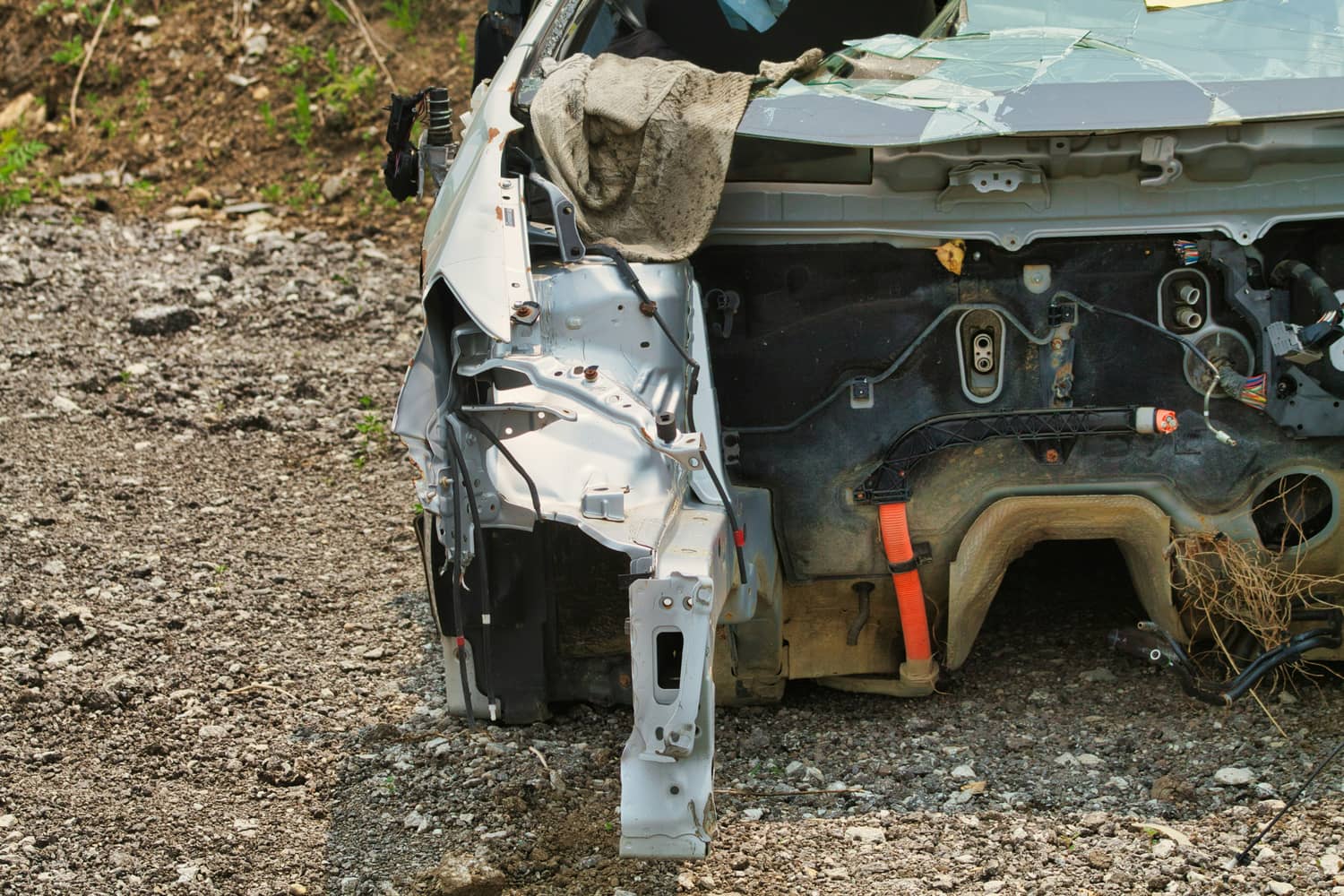
Consider the case of a family traveling down a highway when their SUV suddenly couldn't stop due to a failed brake system. An investigation revealed that the brake pads were entirely worn out, and the hydraulic fluid was nearly empty, leading to a complete brake failure. Fortunately, the family escaped with minor injuries, but the incident underscored the importance of keeping up with brake maintenance.
In another instance, a delivery truck lost control on a steep descent, crashing into parked vehicles at the bottom. The subsequent examination showed that the truck's brake lines had corroded due to prolonged exposure to moisture without regular inspections or maintenance, leading to catastrophic failure when they were needed the most.
Understanding How Brakes Work
To appreciate why brake inspections are crucial, one must understand how a car's braking system functions. When you press the brake pedal, hydraulic fluid is compressed within the master cylinder, transmitting pressure through brake lines to each wheel's brake pads or shoes. These then clamp down on a disc or expand against a drum, creating friction that slows and stops the vehicle.
The brake system relies on several components working in harmony: brake pads, rotors, calipers, brake lines, and hydraulic fluid. Each part has a specific lifespan and requires periodic inspection and replacement to ensure optimal functionality.
Key Components in Brake Systems
- Brake Pads: Typically need replacing every 30,000 to 70,000 miles. They are vital in generating the friction necessary for stopping.
- Rotors: Should be inspected every time brake pads are changed; they can warp over time from excessive heat.
- Brake Fluid: Requires changing every two years as it can absorb moisture, reducing its effectiveness.
The Ripple Effect of Neglected Brake Maintenance
Ignoring brake maintenance doesn't just affect your safety; it can lead to wider economic implications. For instance, insurance premiums may rise following an accident caused by brake failure. Moreover, if you're found negligent in maintaining your vehicle's brakes, you could be held liable for damages in the event of an accident.
Beyond financial implications, neglected brakes can significantly impact your vehicle's performance. Worn-out brakes decrease fuel efficiency since more engine power is needed to compensate for longer stopping distances. Additionally, consistent use of poorly maintained brakes can lead to more severe wear on other parts like tires and suspension systems.
Steps to Ensure Proper Brake Maintenance
Maintaining your car's brakes involves more than just addressing issues when they arise. Proactive steps should be taken to ensure that your vehicle’s braking system is always in peak condition. Here are some practical tips:
Regular Visual Inspections
A simple visual check can reveal much about your brakes' condition. Look for signs like uneven pad wear or grooves in the rotors. If you notice any abnormalities, it's time for a professional inspection.
Listen for Warning Signs
Squealing or grinding noises when braking usually indicate worn pads or other issues that need immediate attention. Ignoring these sounds can lead to further damage.
Routine Professional Checks
Schedule regular brake inspections with a trusted mechanic. Professionals can measure pad thickness, inspect rotors for warping, check brake fluid levels, and assess overall system health.
Maintain Fluid Levels
Brake fluid plays a crucial role in transmitting the force from your foot on the pedal to the brakes themselves. Keep it topped up and replace it according to your vehicle manufacturer’s recommendations.
The Role of Advanced Technology
The automotive industry has made significant strides in enhancing vehicle safety through technology. Modern cars often come equipped with advanced braking systems like Anti-lock Braking Systems (ABS) and Electronic Stability Control (ESC). While these systems provide added safety nets, they do not replace the need for basic maintenance checks.
Even with technology-driven advancements, physical components such as pads and rotors still endure wear and tear. Therefore, understanding and embracing routine maintenance is crucial, irrespective of how advanced your vehicle might be.
Conclusion: Safety is Non-Negotiable
Lapses in brake inspections can have dire consequences. As illustrated through various incidents and expert insights in this article, neglecting such an integral aspect of car maintenance compromises safety and incurs financial losses. By understanding how your brakes work and committing to regular maintenance checks, you ensure that your vehicle performs optimally while safeguarding everyone on the road. Remember, in automotive care, vigilance isn't just about protecting your investment—it's about saving lives.