Comparing Short-Term Costs and Long-Term Gains from Tune-Ups
The Importance of Regular Tune-Ups
Maintaining a vehicle's engine in optimal condition is crucial for both performance and longevity. Regular tune-ups not only ensure your car is running smoothly but also can significantly enhance its fuel efficiency, potentially improving it by 4-10%. In this article, we'll delve into the tangible benefits of these routine check-ups and weigh their immediate costs against long-term savings and performance enhancements.
Understanding the Components of a Tune-Up
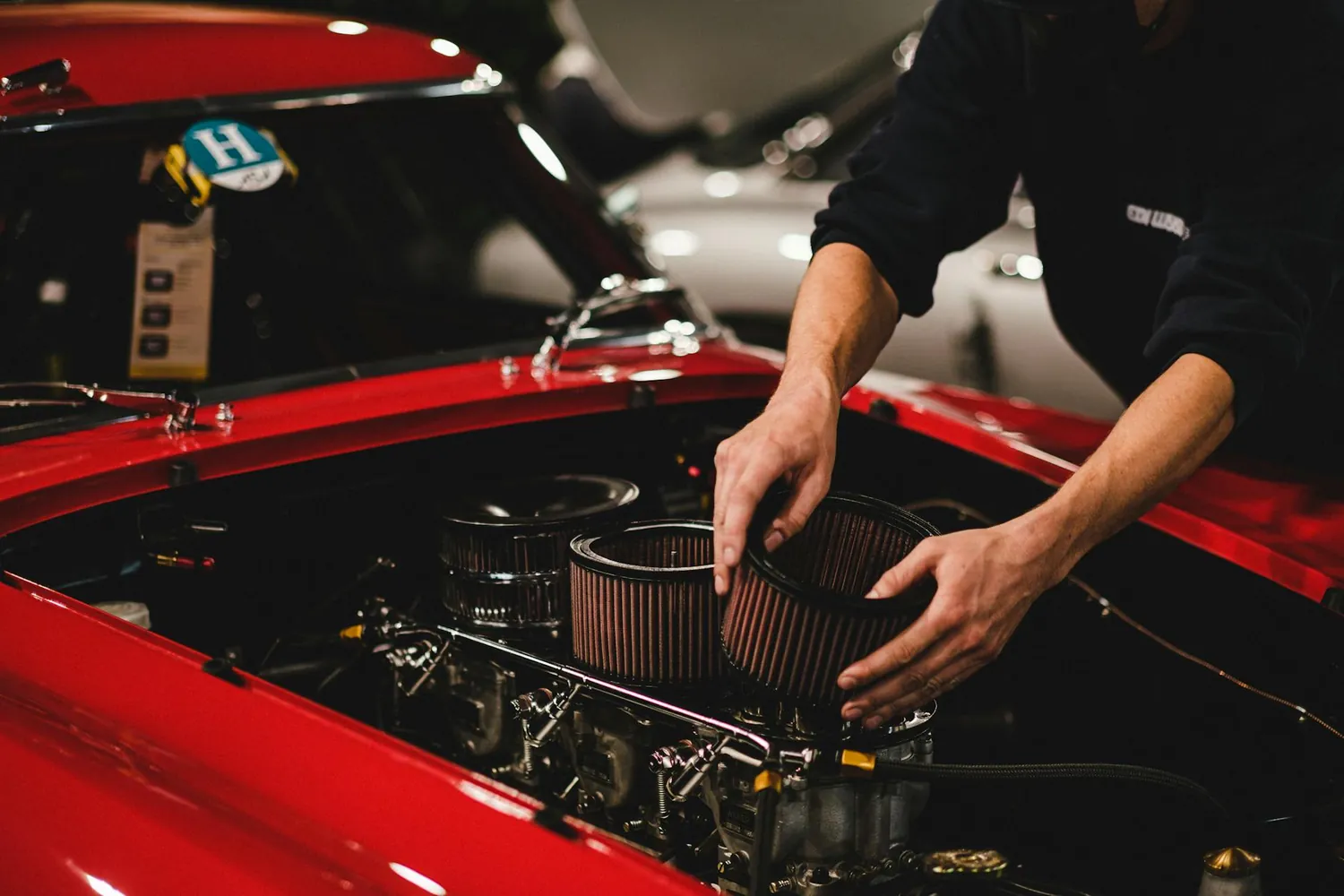
An engine tune-up typically involves several key inspections and replacements. These include checking and replacing spark plugs, inspecting ignition systems, changing air filters, and ensuring proper fuel system operation. Each of these components plays a vital role in the vehicle’s overall efficiency.
Spark Plugs and Ignition Systems
Worn or dirty spark plugs can cause misfires, reducing fuel efficiency. A typical spark plug replacement costs between $100-$200 but can prevent costly issues down the road.
Air Filters
Replacing a clogged air filter can improve acceleration by up to 11%. The cost is often under $30, making it one of the most cost-effective maintenance tasks with substantial performance benefits.
Fuel System Checks
Regular cleaning of the fuel injectors ensures that the engine receives the correct amount of fuel for combustion. Injector cleaning might cost $50-$100 but can prevent decreased fuel efficiency and stalling.
Short-Term Costs vs. Long-Term Savings
The immediate costs of a tune-up can be a deterrent for some vehicle owners, but the savings over time can outweigh these initial expenses. Consider a vehicle averaging 25 miles per gallon (mpg) with an annual mileage of 12,000 miles. A mere 5% increase in fuel efficiency can save around $100 annually at $3 per gallon.
Enhanced Performance and Reliability
Beyond fuel savings, regular tune-ups contribute to smoother rides and fewer breakdowns. Identifying potential issues early prevents minor problems from developing into significant repairs costing thousands of dollars.
Practical Tips for Car Owners
- Keep records: Document all maintenance activities for better tracking and resale value.
- DIY simple tasks: Tasks like air filter replacements can often be done at home with minimal tools.
- Regular inspections: Frequent visual inspections can help catch issues before they require expensive repairs.
Case Study: Calculating Long-Term Benefits
Let's consider a hypothetical scenario with a ten-year-old sedan. By committing to regular tune-ups costing approximately $300 annually, the owner maintains peak fuel efficiency. Over ten years, they save nearly $1000 in fuel alone while enjoying consistent vehicle performance and reliability, ultimately enhancing the car’s lifespan.
A Mini-Framework for Routine Maintenance
Establishing a routine for vehicle maintenance is essential for maximizing gains from tune-ups. Here's a simple framework you can follow:
- Set reminders every 6 months to perform basic checks (e.g., tire pressure, fluid levels).
- Create a yearly schedule for professional tune-ups, focusing on major components as outlined above.
- Track all maintenance activities in a logbook or digital app to maintain transparency and readiness for unforeseen repairs.
Conclusion
While regular tune-ups involve short-term costs, they offer substantial long-term gains in terms of fuel efficiency, performance, and overall reliability. By understanding the components involved and establishing a consistent maintenance routine, car owners can make informed decisions that enhance their vehicle’s performance and extend its lifespan.