Decreased Brake Responsiveness: A Critical Sign Your Vehicle Needs Repair
Recognizing the Early Signs of Brake Issues
Understanding when your vehicle’s brakes need attention is crucial for maintaining safety on the road. Brakes are perhaps the most important safety feature in any vehicle, and decreased responsiveness can be an early indicator of potential failure.
What is Brake Responsiveness?
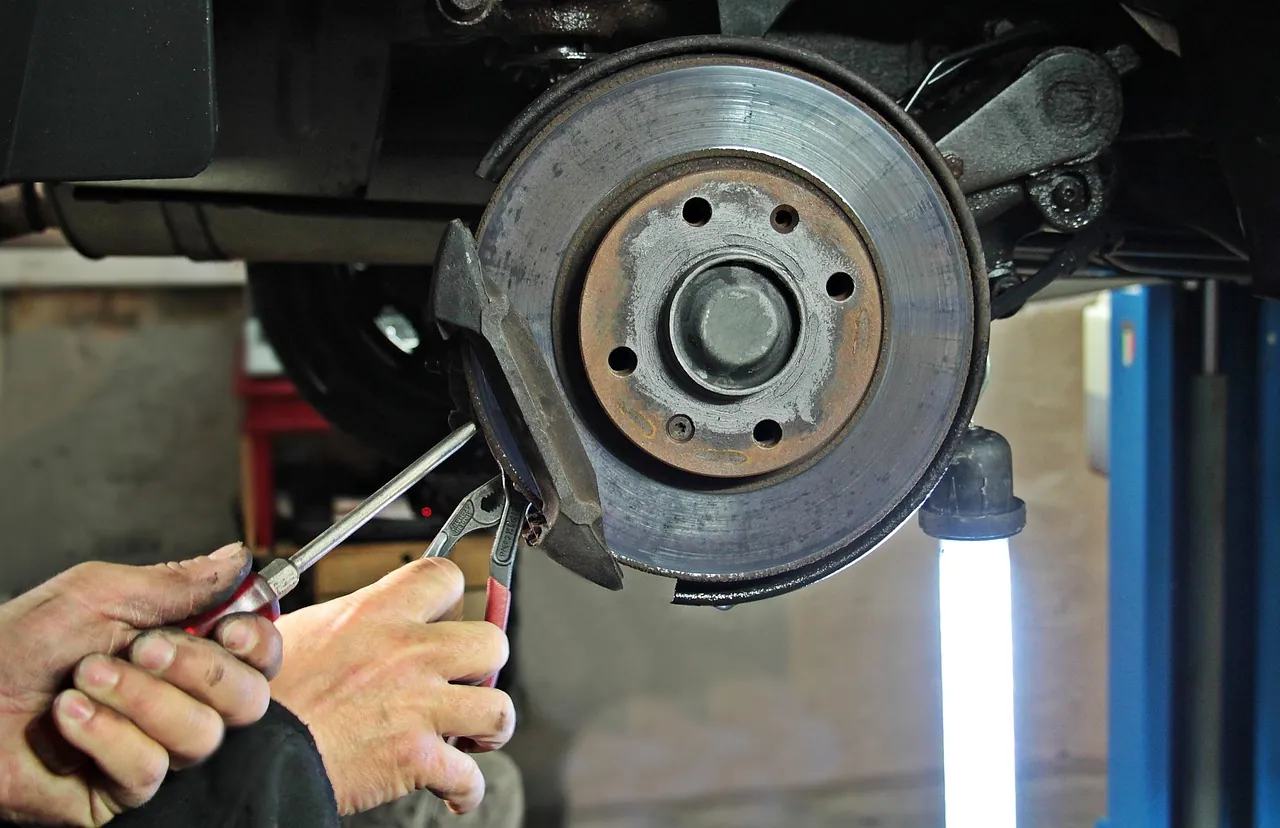
Brake responsiveness refers to how quickly and efficiently your vehicle slows down or stops when you press the brake pedal. This involves several components working together, including brake pads, rotors, calipers, and the hydraulic system.
A delay or reduction in the braking response could lead to dangerous situations, especially in emergency scenarios where every millisecond counts.
Common Indicators of Decreased Brake Responsiveness
The Warning Signs
- Squeaking or Squealing Noises: If you hear a high-pitched sound when applying brakes, it may suggest worn-out brake pads. Many modern brake pads are designed with wear indicators that emit noise when it's time for a replacement.
- Grinding Sounds: A grinding noise typically indicates metal-on-metal contact due to severely worn-down pads. This requires immediate attention to prevent damage to other components.
- Increased Stopping Distances: Noticing that your car takes longer to stop can be indicative of brake fade, possibly caused by overheating during heavy usage.
- Vibration or Pulsation in the Brake Pedal: This sensation often points to warped rotors, which need either resurfacing or replacement.
Checklist for Diagnosing Brake Problems
Identifying brake issues early can save you from more extensive repairs. Use this checklist to determine if your brakes require professional inspection:
- Check for warning lights on the dashboard.
- Listen for unusual noises when braking.
- Observe any vibrations or resistance in the brake pedal.
- Pay attention to any pulling of the vehicle to one side during braking.
- Note any changes in brake pedal firmness or responsiveness.
Practical Scenarios: When Brake Checks Become Urgent
Imagine driving on a rainy day. You notice that your vehicle doesn't respond promptly as you attempt to slow down on a slippery road. This scenario highlights the importance of ensuring that your brakes are in peak condition.
Alternatively, consider a long downhill drive where frequent braking causes your system to overheat, leading to temporary loss of braking efficiency — a phenomenon known as brake fade.
The Process of Inspecting and Maintaining Brakes
Step-by-Step Inspection Workflow
If you're confident in handling basic automotive tasks, follow this simplified process for inspecting your brakes:
- Visual Inspection: Start by visually inspecting the brake pads through the wheel spokes. Look for thickness and any signs of uneven wear.
- Listen During a Test Drive: Take the car for a drive and listen for any unusual sounds while applying the brakes at various speeds.
- Feel for Feedback: Pay attention to how the brake pedal feels underfoot. Softness or sponginess may indicate air in the brake lines or fluid leakage.
- Examine the Brake Fluid: Check the brake fluid level and color. It should be between the minimum and maximum lines and clear in appearance. A dark color suggests contamination or aging fluid that needs replacement.
When to Seek Professional Help
If you're uncertain about any findings during your inspection or if you lack the tools and expertise, consulting a certified mechanic is advisable. They can perform comprehensive diagnostics using specialized equipment and tools unavailable to most car owners.
Preventive Maintenance Tips
To prolong your braking system's life and ensure it remains responsive:
- Regularly schedule brake inspections — at least once a year or according to your car manufacturer’s recommendations.
- Avoid excessive hard braking; instead, practice gradual slowing techniques whenever possible.
- Ensure your car tires are properly inflated and aligned, as this affects braking performance.
Taking these preventive steps not only enhances safety but can also save money in the long run by preventing major repairs.
Conclusion: Prioritizing Brake Health for Safety
Your vehicle's braking system is critical to safety and should never be neglected. By understanding the signs of decreased brake responsiveness and acting promptly, you ensure not only your safety but also that of your passengers and other road users.