Enhancing Your Ride: The Importance of Cabin Air Filter Maintenance
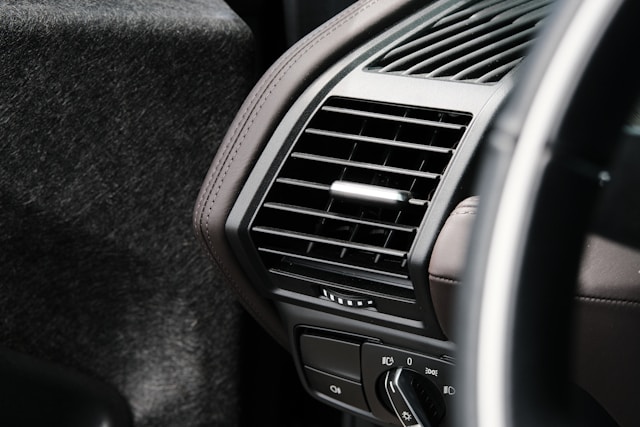
The Unsung Hero of Comfort: Cabin Air Filters
When considering car maintenance, most drivers focus on engine performance, brakes, or tire health. However, the cabin air filter is a vital component that often goes unnoticed. This filter plays a critical role in maintaining a comfortable and healthy environment within your vehicle's cabin. It filters out pollen, dust, smog, and other airborne pollutants, ensuring the air you breathe while driving is clean.
Why Regular Replacement Matters
Replacing your cabin air filter regularly is crucial for several reasons:
- Air Quality: A clean filter prevents dust and allergens from circulating inside the car.
- Climate Control Efficiency: A clogged filter can strain your vehicle's HVAC system, leading to inefficient heating or cooling.
- Odor Prevention: Old filters can harbor mold or mildew, causing unpleasant smells.
In essence, neglecting this simple maintenance task can affect your comfort and health during drives.
Identifying When to Change Your Cabin Air Filter
So how do you know it's time to replace your cabin air filter? Here are some signs:
- Reduced Airflow: If you notice diminished air from vents even at full power, a dirty filter might be the culprit.
- Musty Odors: Persistent musty smells usually indicate mold or debris in the filter.
- Increased Dust: More visible dust on car surfaces suggests your filter isn't trapping particles effectively.
Choosing the Right Cabin Air Filter
Selecting the right cabin air filter is essential for optimal performance. Filters come in various types:
- Particulate Filters: These standard filters capture dust and other particles. They are affordable and suitable for most needs.
- Activated Carbon Filters: Besides filtering particles, these also remove odors and gases, offering additional protection against harmful pollutants.
Consider factors such as local air quality and budget when choosing a filter. For those with allergies or sensitivity to air quality, an activated carbon filter might be beneficial.
DIY Guide to Replacing Your Cabin Air Filter
Replacing the cabin air filter is straightforward and can save you a trip to the mechanic. Here's a step-by-step guide:
Step 1: Gather Tools
You typically need no more than a screwdriver for most vehicles. Check your owner's manual for any specific tools required.
Step 2: Locate the Filter Compartment
The cabin air filter is usually behind the glove box or under the dashboard. Consult your vehicle's manual for exact location details.
Step 3: Remove the Old Filter
If the filter compartment is behind the glove box, you'll need to remove it. Open the glove box, empty its contents, and gently press the sides inward to release the stops. Once you have access, slide out the old filter carefully.
Step 4: Insert the New Filter
Install the new filter, ensuring it is oriented correctly (usually indicated by arrows on the filter). Reverse your steps to close up the compartment.
Step 5: Test Your HVAC System
After replacing the filter, turn on your HVAC system to ensure improved airflow and absence of previous odors. Enjoy a fresher atmosphere!
Caring for Your Vehicle's Interior Environment
The interior environment of your car significantly impacts your driving experience. In addition to changing cabin air filters, here are some tips for maintaining a pleasant in-car environment:
- Regular Cleaning: Vacuum and dust your car interior frequently to reduce dust accumulation.
- Avoid Smoking Inside: Smoke can linger and exacerbate odors and particle buildup in your car.
- Use Sunshades: Protecting against UV rays not only preserves interior materials but also reduces heat buildup.
Your Mini-Framework for Regular Car Maintenance
To keep your vehicle running smoothly and efficiently while ensuring a pleasant ride experience, establish a regular maintenance schedule that includes:
- Weekly Tasks: Check tire pressure and fluid levels.
- Monthly Tasks: Clean interior surfaces and replace wiper blades if necessary.
- Quarterly Tasks: Inspect battery terminals and lights; replace cabin air filters as needed based on mileage or symptoms.
This structured approach ensures you won't overlook essential components like the cabin air filter while attending to overall vehicle health.