Maintaining Tire Pressure: A Three-Step Process for Drivers
The Importance of Maintaining Proper Tire Pressure
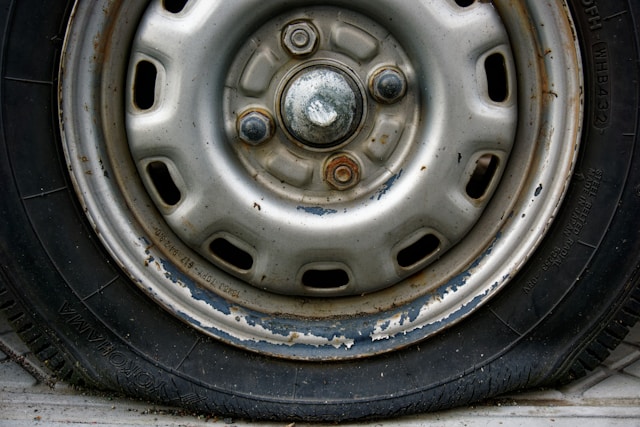
Ensuring that your car's tires are properly inflated is a fundamental aspect of car maintenance that many drivers overlook. Incorrect tire pressure can lead to reduced fuel efficiency, increased tire wear, and even dangerous blowouts. By maintaining the correct pressure, you improve your vehicle's performance and safety, ultimately saving money and extending the life of your tires.
Impact on Fuel Efficiency
One of the most significant benefits of maintaining the right tire pressure is improved fuel efficiency. Under-inflated tires create more rolling resistance, which means your car's engine has to work harder and burn more fuel to maintain speed. According to the U.S. Department of Energy, properly inflated tires can improve gas mileage by up to 3%. In financial terms, that translates into substantial savings over the lifespan of your vehicle.
Tire Longevity and Safety
Over time, tires naturally lose air—approximately one pound per square inch (PSI) every month. Temperature changes also impact tire pressure; colder temperatures can lead to a drop in PSI. Consistently driving on under-inflated tires can cause uneven tire wear and significantly shorten tire lifespan. Moreover, under-inflated tires are more prone to overheating, which can result in blowouts. Keeping your tires properly inflated minimizes these risks, ensuring a safer driving experience.
Three-Step Process for Checking and Maintaining Tire Pressure
Regular tire pressure checks should be an integral part of your automotive maintenance routine. This three-step process provides a straightforward method for ensuring your tires are always in optimal condition.
Step 1: Gather Necessary Tools
- Tire Pressure Gauge: Invest in a reliable tire pressure gauge. Digital gauges offer easy readability, while pencil-style gauges are compact and cost-effective.
- Air Compressor or Access to an Air Pump: Most gas stations have air pumps available. If you prefer handling this at home, consider purchasing a portable air compressor.
- Owner’s Manual: Check your car's owner manual for recommended tire pressure levels, usually listed on a sticker inside the driver’s side door.
Having these tools ready will streamline the process and ensure accuracy.
Step 2: Measure Current Tire Pressure
- Find a Flat Surface: Park your vehicle on a level area to get an accurate reading.
- Check Tires When Cold: For best results, measure tire pressure when the tires are cold—ideally before driving or after sitting for a few hours.
- Remove Valve Cap: Unscrew the valve cap from the tire’s air valve stem and keep it in a safe place.
- Press Gauge onto Valve Stem: Firmly press the gauge onto the valve stem to get a reading. Avoid air hissing for accurate measurement.
- Compare with Recommended PSI: Compare the reading with the recommended PSI in your owner’s manual or driver’s side door sticker.
This step helps identify any discrepancies between current and recommended pressures.
Step 3: Adjust Tire Pressure
- Add Air if Needed: If the tire pressure is below recommended levels, use an air pump to add air in short bursts.
- Recheck Pressure: After adding air, use the gauge to check if you’ve reached the desired PSI. Adjust as necessary.
- Release Excess Air: If you accidentally overinflate, press the pin inside the valve stem with a small tool or the back of your tire gauge to release air gradually.
Once you've achieved optimal pressure levels, replace all valve caps securely. Regular monitoring will prevent fluctuations and maintain steady performance.
Troubleshooting Common Tire Pressure Issues
Tire pressure maintenance isn't just about inflating tires when they’re low; it also involves understanding and resolving common issues that affect pressure consistency.
Punctures and Slow Leaks
Punctures from nails or other sharp objects often lead to slow leaks. If you notice one tire consistently losing pressure faster than others, inspect it for visible punctures. A simple test involves spraying soapy water on the tire and looking for bubbles that indicate escaping air. Repairs typically involve patching or plugging by a professional.
Faulty Valve Stems
A faulty valve stem can result in gradual air loss. Over time, wear and exposure can cause valve stems to crack or become brittle. Replacing a damaged valve stem is generally an inexpensive fix that can be done during routine tire rotations or replacements.
The Benefits of Regularly Scheduled Tire Pressure Checks
Incorporating regular tire pressure checks into your car maintenance schedule has long-term benefits:
- Enhanced Vehicle Handling: Correctly inflated tires ensure better contact with the road, improving steering response and overall handling.
- Improved Safety: Proper tire pressure reduces the risk of blowouts, decreasing potential accidents due to sudden tire failure.
- Sustainable Environment: More efficient fuel usage contributes to lower emissions, supporting environmental sustainability efforts.
A Practical Scenario: John’s Monthly Tire Check Routine
John drives about 1,000 miles a month commuting to work. He's committed to maintaining his vehicle efficiently. Every first Saturday of the month, John conducts his routine maintenance check:
- He reviews his owner’s manual for recommended PSI levels.
- Equipped with his digital gauge, he checks all four tires before setting off for errands in the morning.
- If any tire needs adjustment, he visits his local gas station equipped with an air pump.
This simple yet effective routine ensures John's car performs optimally while saving him money on gas and premature tire replacements.
Checklist: Ensure Optimal Tire Pressure Maintenance
- Invest in a quality tire pressure gauge suitable for your needs (digital or analog).
- Familiarize yourself with your vehicle's recommended PSI levels from the owner’s manual.
- Create a monthly reminder to check tire pressures before long trips or heavy loads.
- If needed, keep a portable air compressor in your trunk for emergencies.
This checklist acts as an essential guide to cultivating a habit of proactive maintenance, potentially preventing expensive repairs down the line.