Step-by-Step Guide to Safely Swap Out Your Car Battery
Understanding When to Replace Your Car Battery
A healthy car battery is crucial for the smooth operation of your vehicle. However, like all components, it has a limited lifespan. Typically, a car battery lasts between 3 to 5 years, depending on usage and environmental factors.
Signs that your car battery may need replacement include:
- Slow engine crank: The engine is slow to start or takes longer than usual.
- Dim lights: Headlights and interior lights are less bright than they used to be.
- Check engine light: This may illuminate for various reasons, including battery issues.
- Battery warning light: On newer cars, this can indicate a failing battery or alternator.
- Corrosion: Noticeable corrosion or a buildup of residue around the battery terminals.
If you notice any of these symptoms, it may be time to replace your battery before it fails completely, leaving you stranded.
Tools and Materials You Will Need
Before starting the battery replacement process, ensure you have the following tools and materials ready:
- A new battery compatible with your vehicle model
- Screwdrivers (flathead and Phillips)
- Socket wrench set
- Wire brush and terminal cleaner
- Baking soda and water solution (for cleaning corrosion)
- Protective gloves and safety glasses
- A voltage meter (optional, for testing)
Having all necessary tools on hand will make the process smoother and prevent any interruptions.
Safety Precautions
Your safety is paramount when handling car batteries due to the acid content and potential electrical hazards. Follow these precautions:
- Wear protective gloves and goggles to prevent acid burns or injuries from leaks.
- Ensure your vehicle is parked on a flat surface, turned off, and in park or neutral with the parking brake engaged.
- Avoid smoking or having open flames near the battery due to the risk of explosion from battery gases.
The Step-by-Step Battery Replacement Process
1. Locate the Battery
Open your vehicle's hood and locate the battery. It is typically found near the front of the engine bay, though some vehicles may house it in the trunk or under a seat. Refer to your owner's manual if you are unsure.
2. Disconnect the Negative Cable First
This step is crucial to avoid electrical shorts. Use your wrench to loosen the nut on the negative terminal (usually marked with a '-' sign or black color). Remove the cable and set it aside where it won't touch metal parts.
3. Disconnect the Positive Cable
After safely removing the negative cable, repeat the process for the positive terminal (marked with a '+' sign or red color). This order prevents accidental short circuits.
4. Remove the Battery Retaining Clamp
Batteries are often secured by a clamp or bracket at the base. Use a socket wrench to remove this, taking care not to drop any nuts or bolts into the engine bay.
5. Lift Out the Old Battery
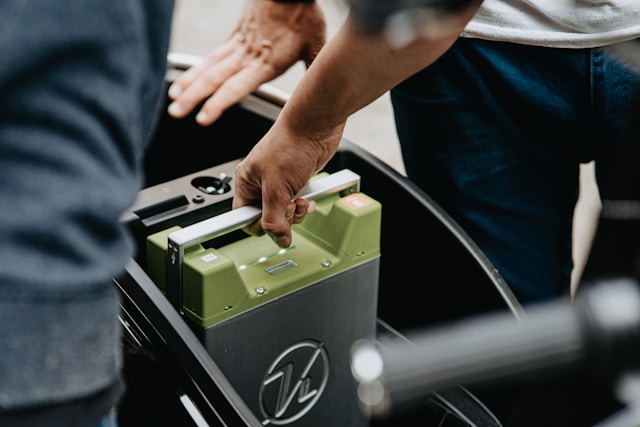
Batteries can be heavy, often weighing 20 to 50 pounds. Ensure you lift with your legs, not your back, to prevent injury. Set it aside in a safe location for disposal.
6. Clean the Battery Tray and Terminals
Inspect the battery tray for corrosion or debris. Clean it using a baking soda and water solution to neutralize any acid residues. Also clean the cable terminals with a wire brush for optimal contact.
7. Install the New Battery
Place your new battery into the tray with terminals oriented correctly. Reattach the battery retaining clamp securely.
8. Connect the Positive Cable First
Reverse the disconnection process by attaching and tightening the positive cable first, followed by the negative cable. This sequence prevents potential sparks during reconnection.
9. Test Your Installation
Before closing up, start your vehicle to ensure everything is functioning correctly. A quick test with a voltage meter should show around 12.6 volts or higher with the engine off, and around 13.7-14.7 volts when running, indicating proper alternator charging.
Proper Disposal of Your Old Battery
Batteries are hazardous waste due to their lead content and acidic components. Never discard them in household trash. Instead:
- Take them to an auto parts store; many offer recycling services and might give you a credit towards your new purchase.
- Your local waste management facilities often accept old batteries for recycling at designated drop-off points.
This responsible disposal helps reduce environmental harm and complies with local regulations.
Troubleshooting Common Issues
If your vehicle doesn't start after replacing the battery, consider these troubleshooting steps:
- Ensure all connections are tight and clean from corrosion.
- Check for any blown fuses related to ignition or electronics.
- If problems persist, it may be unrelated to the battery; consult with a professional mechanic.
Conclusion
Replacing your car battery is a straightforward task that most car owners can accomplish with minimal tools and some basic safety precautions. By keeping an eye out for signs of wear and ensuring proper maintenance, you can extend your car’s life and ensure reliable performance.