Understanding When to Opt for DIY Car Fixes Over Professionals
Deciding Between DIY Car Repairs and Professional Services
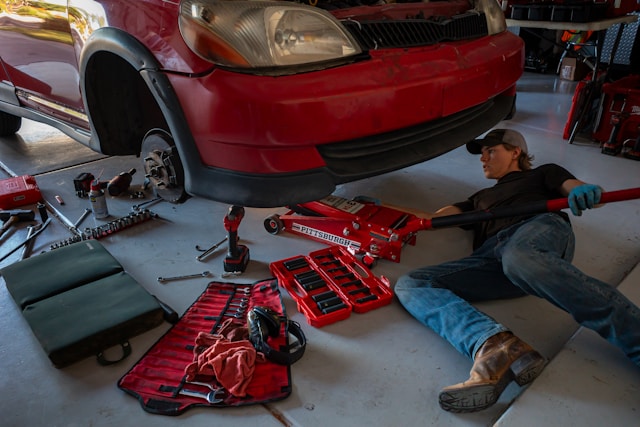
Car repairs are an inevitable part of vehicle ownership. Whether it's a routine maintenance task or a sudden breakdown, car owners are faced with the choice of whether to roll up their sleeves and tackle the issue themselves or to hire a professional mechanic. This decision can be influenced by several factors, including cost, expertise, and time constraints. In this article, we explore the pros and cons of DIY repairs versus professional services, helping you determine the best approach for your situation.
The Advantages and Drawbacks of DIY Car Repairs
Pros of DIY Repairs
- Cost Savings: One of the most significant benefits of DIY car repairs is the potential to save money. By avoiding labor costs associated with professional mechanics, you can often repair your vehicle for the price of parts alone.
- Learning Opportunity: Working on your car allows you to gain valuable mechanical skills and knowledge. This experience not only empowers you to handle future issues but also provides a better understanding of how your vehicle operates.
- Convenience and Flexibility: You can perform repairs on your own schedule, eliminating the need to make appointments or wait for service at a garage.
Cons of DIY Repairs
- Lack of Expertise: Without proper knowledge and experience, attempting complex repairs can lead to further damage. Misdiagnosing a problem or improperly installing parts can result in safety hazards.
- Time-Consuming: While simple fixes might be quick, more complicated repairs can consume significant amounts of time, especially if you're learning as you go.
- Tool and Equipment Costs: Some repairs require specialized tools, which might not be worth the investment for one-time use.
The Case for Professional Car Repair Services
Pros of Professional Repairs
- Expertise and Experience: Professional mechanics have the training and experience to diagnose and fix problems accurately and efficiently. Their expertise can prevent further issues down the line.
- Warranty and Guarantee: Many professional services offer warranties on parts and labor, providing peace of mind that the job is done right and covered if something goes wrong.
- Advanced Tools and Technology: Mechanics have access to specialized tools and diagnostic equipment that might be impractical for an individual to own.
Cons of Professional Repairs
- Higher Costs: The labor costs associated with professional mechanics can be significant. Depending on the complexity of the repair, this could make professional services much more expensive than DIY options.
- Inconvenience: Scheduling appointments and potentially waiting for service can be inconvenient, particularly for minor repairs.
Scenarios Favoring DIY Repairs
Certain types of repairs are more suited to the DIY approach, particularly those that are relatively simple and low-risk. Here are some examples:
Changing Air Filters
A straightforward task such as changing your car's air filter can be done easily with minimal tools. Air filters are usually located in accessible areas under the hood and can be swapped out in a matter of minutes.
Replacing Windshield Wipers
This is another task that doesn't require much skill or many tools. Most modern vehicles have easy-to-replace wiper blades, and it's a quick process once you've done it a couple of times.
Installing New Battery
If you have basic mechanical skills and safety knowledge (such as how to safely handle electrical components), replacing a car battery is manageable without professional help. Ensure you disconnect the negative terminal first to avoid any accidental short circuits.
Scenarios Favoring Professional Repairs
For more complex issues or those requiring specific expertise, opting for professional services is often the better choice. Consider these scenarios:
Transmission Repairs
The transmission is a highly complex system. Issues here often require a deep understanding of automotive mechanics and precise work. It's advisable to seek professional assistance for any transmission-related problems.
Advanced Diagnostic Needs
If your car's check engine light comes on, it could indicate various issues. Professional mechanics use advanced diagnostic tools to pinpoint the exact problem quickly, which can save time and prevent further damage.
Suspension Work
The suspension system impacts your vehicle's handling and safety. Given its complexity and the precision required for safe operation, professional expertise is recommended for any significant suspension repairs or upgrades.
Balancing Cost, Time, and Expertise
The choice between DIY repairs and professional services often boils down to balancing cost savings with time investment and the level of expertise required. Here are some tips to help guide your decision:
- If cost is your primary concern and you have the time to invest, consider attempting simpler repairs yourself. For instance, routine maintenance tasks like oil changes or brake pad replacements are suitable for many DIY enthusiasts.
- If the repair involves critical safety systems such as brakes or steering, or if it requires specialized tools beyond your reach, opt for professional services despite the higher cost.
- If you're pressed for time and need a quick resolution, professionals might be your best bet due to their experience and efficient work processes.
The Importance of Knowing Your Limits
A key aspect of deciding whether to go DIY or hire a professional is understanding your limitations. While challenging yourself is beneficial, overestimating your skills can lead to costly mistakes or even safety hazards. Here are some ways to assess your capabilities:
- Start with Small Projects: Build your skills by starting with small projects that involve less risk. Progressively tackle more complex tasks as you gain confidence.
- Educate Yourself: Utilize resources such as manuals, online tutorials, and community forums dedicated to automotive repair. These can provide invaluable guidance and insights from seasoned DIYers.
Ultimately, choosing between DIY repairs and professional services involves weighing various factors unique to each situation. By understanding your strengths, limitations, and preferences, you can make informed decisions that ensure both safety and efficiency in maintaining your vehicle.