When and Why to Change Your Brake Fluid for Safety
The Importance of Brake Fluid in Vehicle Safety
Brake fluid is a crucial component in your vehicle’s braking system, acting as the medium that transfers force from your foot on the brake pedal to the brakes themselves. Despite its importance, brake fluid often goes unnoticed until a problem arises. Failing to maintain and replace brake fluid at appropriate intervals can lead to decreased braking performance, potentially resulting in dangerous situations on the road.
How Brake Fluid Works
Understanding the role of brake fluid can help underscore why its maintenance is non-negotiable. When you press the brake pedal, it forces the brake fluid through the brake lines, creating pressure that activates the brake pads to clamp onto the rotors, slowing down your vehicle. Brake fluid is designed to operate under high temperatures and pressures without boiling or breaking down.
Characteristics of Quality Brake Fluid
- High Boiling Point: To withstand heat generated during braking.
- Non-Corrosive Properties: To prevent damage to brake components.
- Viscosity Stability: To ensure consistent performance across temperature variations.
Consequences of Neglecting Brake Fluid Maintenance
Ignoring brake fluid maintenance can compromise your vehicle's braking efficiency. Some of the risks include:
Decreased Braking Performance
Contaminants such as moisture can infiltrate the brake fluid over time, lowering its boiling point. This can lead to vapor lock, where gas bubbles form and reduce hydraulic pressure, resulting in a spongy brake pedal and compromised braking power.
Corrosion of Brake Components
Brake fluid naturally absorbs moisture from the air, which can lead to corrosion of metallic components within the braking system, such as calipers and master cylinders. This corrosion not only reduces the effectiveness of the system but can also lead to costly repairs.
Recommended Brake Fluid Change Intervals
The interval for changing your brake fluid can depend significantly on your driving conditions and habits. Here are some general guidelines:
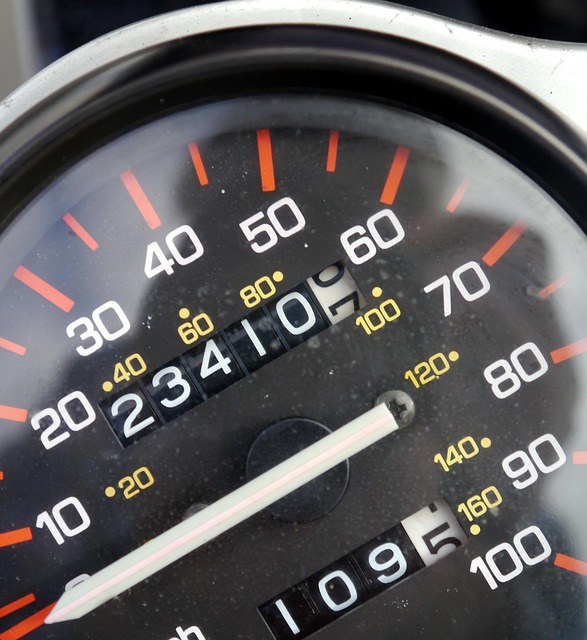
- Every 2 Years or 24,000 Miles: This is the standard recommendation for most vehicles, assuming regular driving conditions.
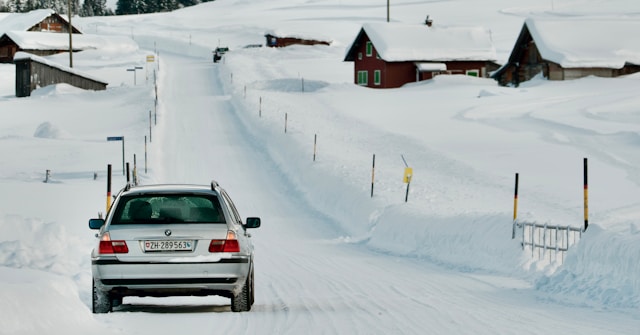
- More Frequently for Heavy Use: If you frequently drive in mountainous areas, tow heavy loads, or participate in track days, you may need to change your brake fluid more often—every 12 months or 12,000 miles could be more appropriate.
Signs Your Brake Fluid Needs Changing
- Spongy Brake Pedal: If the pedal feels softer than usual or sinks further down when pressed.
- Discolored Fluid: Clear or light amber-colored fluid that has turned dark signifies contamination.
- Brake Warning Light: An illuminated warning light on your dashboard could indicate various issues, including low or degraded brake fluid.
The Process of Changing Brake Fluid
If you're planning to change your brake fluid, here's a simplified checklist that can guide you through the process. However, if you're unfamiliar with car maintenance, it's recommended to have a professional handle it:
- Park your vehicle on a level surface and turn off the engine.
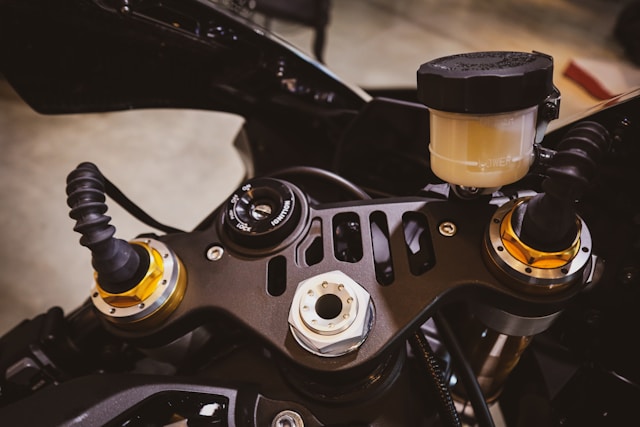
- Locate the master cylinder reservoir and check the current level and condition of the brake fluid.
- Remove the old fluid using a pump or turkey baster (ensure not to spill it).
- Add new brake fluid until it reaches the 'full' mark on the reservoir.
- Bleed each brake line to remove any air bubbles present; this is done by having someone press the brake pedal while you open the bleeder valve on each caliper.
This process helps ensure that all old fluid is removed from the system and replaced with fresh fluid, restoring optimal braking performance.
Practical Tips for Brake Fluid Maintenance
Maintaining brake fluid doesn’t have to be daunting. Here are some practical tips:
- Check Regularly: Make checking your brake fluid part of your routine maintenance—perhaps when you check your oil levels.
- Know Your Type: Be aware of what type of brake fluid is required for your vehicle (DOT 3, DOT 4, etc.), as using incorrect fluids can damage your system.
- Avoid Mixing Fluids: Never mix different types of brake fluids unless specified by your vehicle's manufacturer. This can lead to chemical reactions that degrade performance.
The Role of Professional Mechanics
A trusted mechanic plays an essential role in maintaining your braking system's integrity. They can provide professional assessments and recommendations tailored to your specific vehicle and driving conditions. Additionally, professional servicing ensures proper bleeding techniques and disposal of hazardous old brake fluid according to environmental regulations.
Conclusion
Your vehicle's ability to stop efficiently is critical not only for your safety but also for those around you. By understanding when and why to change your brake fluid, and adhering to recommended intervals tailored to your driving needs, you are taking proactive steps towards maintaining a reliable braking system. Remember, diligent maintenance today can prevent potential accidents and costly repairs in the future.