
AI-Powered Innovations: Success Stories from the World of Autonomous Vehicle Safety
The Role of AI in Autonomous Vehicles
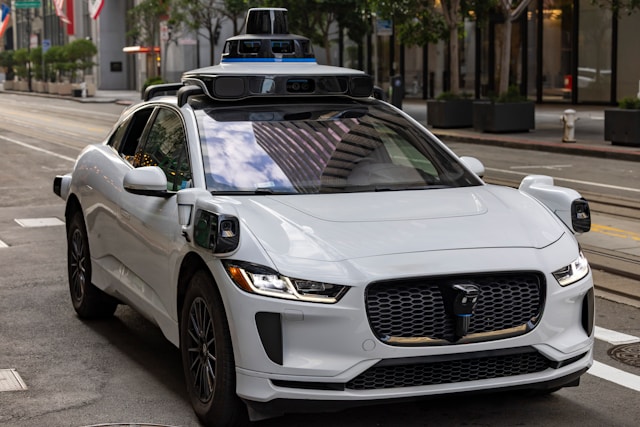
Artificial Intelligence (AI) has become the backbone of autonomous vehicles, transforming them from conceptual ideas into on-road realities. These vehicles rely on a combination of AI-driven technologies to interpret data, make decisions, and execute actions that enhance safety and efficiency. By leveraging machine learning algorithms, neural networks, and deep learning, these systems are designed to detect potential hazards and make split-second decisions that could save lives.
Understanding the AI Framework
The core of AI in autonomous vehicles is its ability to simulate human-like perception and decision-making processes. AI systems are trained using vast datasets to recognize patterns and predict outcomes. Key components include:
- Sensors and Data Collection: Cameras, radar, LiDAR, and ultrasonic sensors collect real-time environmental data.
- Data Processing Units: High-performance processors analyze sensor inputs for pattern recognition and decision making.
- Control Systems: These systems act on AI decisions to maneuver the vehicle safely.
Case Studies: Real-World Success Stories
The efficacy of AI in preventing accidents is demonstrated through numerous incidents where technology has stepped in to avert disaster. Let's explore some noteworthy cases:
Incident One: Avoiding Highway Collisions
In 2021, a fleet of autonomous delivery vans equipped with AI-powered safety features was on the highway when sudden congestion caused an abrupt traffic slowdown. The AI system identified the risk by rapidly processing inputs from forward-facing cameras and radar. It engaged the braking system autonomously, ensuring a safe stop, avoiding a multi-car pile-up. The incident highlighted the effectiveness of real-time hazard assessment and response capabilities inherent in AI systems.
Incident Two: Urban Safety Interventions
Another instance occurred in a bustling urban environment where an autonomous taxi detected a pedestrian jaywalking from its side view cameras. The AI’s advanced neural network, trained to identify human shapes in unexpected scenarios, quickly flagged the danger. It reduced speed and altered the vehicle's path slightly to maintain a safe distance from the pedestrian, showcasing the precision of AI systems in managing unpredictable urban settings.
AI Technologies at the Forefront
A critical examination of AI technologies driving these success stories reveals innovative approaches and tools:
- Predictive Modelling: These models predict potential movements of pedestrians, cyclists, and other vehicles, allowing pre-emptive actions.
- Behavioral Cloning: This technique involves mimicking human driving behaviors by analyzing large datasets of human driving patterns.
- Reinforcement Learning: This type of machine learning allows systems to learn optimal actions through trial and error, enhancing decision-making under dynamic conditions.
The Future of AI Safety Protocols
Looking ahead, continuous improvements in AI algorithms will undoubtedly amplify safety protocols in autonomous vehicles. Initiatives include:
- Adaptive Learning: Future AI systems will evolve by continuously learning from new data, improving their decision-making accuracy over time.
- Enhanced Communication Systems: Development of Vehicle-to-Everything (V2X) communication technologies will enable vehicles to share safety information with infrastructure and other road users.
A Mini-Framework for Implementing AI Safety Features
For automotive developers looking to implement AI safety features in their autonomous projects, consider this simplified framework:
- Data Acquisition: Establish a robust sensor suite including cameras, LiDAR, and radar for comprehensive data capture.
- Data Management: Use cloud storage solutions for scalable data management and access.
- Algorithm Development: Deploy machine learning models like convolutional neural networks (CNNs) for image recognition tasks and recurrent neural networks (RNNs) for predicting temporal sequences.
- System Integration: Integrate developed models with vehicle control systems for synchronized operation.
- Continuous Testing and Validation: Implement rigorous testing protocols in varied environments to validate system performance before deployment.
The Road Ahead: Challenges and Considerations
While AI-driven safety in autonomous vehicles offers promising advancements, there are challenges to address:
- Ethical Dilemmas: Programming ethical decision-making capabilities remains complex.
- Data Privacy Concerns: Balancing data collection with user privacy is crucial.
The journey towards fully autonomous vehicles that navigate safely without human intervention is ongoing, with AI playing a pivotal role. As these technologies continue to mature, we can expect safer roads where the likelihood of human error-induced accidents is significantly reduced. It is an exciting era for automotive technology—one that holds immense potential to reshape our transportation landscape for the better.