
Real-Life Applications of Vehicle-to-Grid Technologies for Consumers
Understanding Vehicle-to-Grid (V2G) Technology
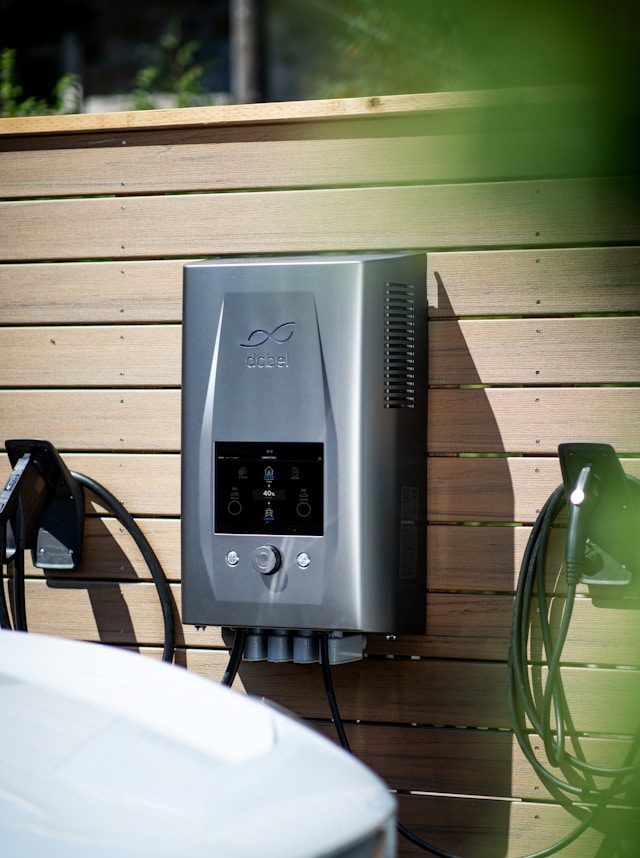
Vehicle-to-Grid (V2G) technology represents a transformative innovation in the way electric vehicles (EVs) interact with the energy grid. At its core, V2G enables two-way energy flow between an electric vehicle and the power grid. This means that not only can an EV be charged from the grid, but it can also return electricity to the grid when necessary. This functionality offers a dynamic solution for energy management, potentially leading to more sustainable and efficient energy systems.
By integrating V2G capabilities, EV owners can play an active role in supporting grid stability, mitigating energy demand fluctuations, and even earning income by selling surplus energy back to the grid. For consumers, understanding and utilizing V2G can lead to significant benefits in terms of cost savings and environmental impact.
Practical Scenarios for Consumers
Reducing Household Electricity Bills
One of the most immediate benefits of V2G technology for consumers is the potential reduction in household electricity bills. By using an EV's battery storage capacity to power a home during peak hours—when electricity rates are highest—owners can reduce their reliance on expensive grid electricity. For example, during a hot summer afternoon, when air conditioning demand is high, a V2G-enabled EV can supply power to the house, offsetting expensive peak rates.
A case study from California demonstrated that a family using their EV in conjunction with solar panels saved approximately 30% on their annual electricity bills by leveraging V2G technology. The family utilized smart charging systems that automatically switched the house's power source from the grid to their vehicle whenever prices spiked.
Supporting Renewable Energy Integration
As renewable energy sources like wind and solar become more prevalent, managing their intermittent nature is crucial. V2G systems offer a solution by providing a buffer that can store excess energy generated during sunny or windy periods and release it when these sources aren't producing electricity.
Consider a community microgrid project in Germany, where V2G technology was integrated with local solar farms. Residents could charge their EVs with solar energy during the day and return excess energy back to the grid at night. This setup not only stabilized the grid but also enhanced the economic viability of renewable projects by providing additional revenue streams from vehicle owners.
Participating in Grid Services
Electricity grids require constant balancing between supply and demand to function efficiently. V2G-equipped EVs can participate in various grid services such as frequency regulation and demand response programs. These programs incentivize users to adjust their energy consumption patterns or provide energy back to the grid during high-demand periods.
For instance, a V2G pilot program in Denmark allowed EV owners to connect their cars to the grid through specialized charging stations. Participants were compensated for allowing their vehicles to be used for frequency regulation, a process crucial for maintaining the stability of the electrical grid. On average, participants earned around €1,000 annually while contributing to a more stable and reliable energy system.
Benefits for Energy Management
Enhancing Grid Stability
Grid stability is vital for ensuring consistent electricity supply. V2G systems enhance this stability by acting as decentralized storage solutions that can absorb excess energy or supply additional power as needed. This capability is particularly beneficial during unexpected power surges or blackouts, where quick access to stored energy can mitigate disruptions.
An example of this is seen in Japan, where following natural disasters, communities have relied on V2G technology to maintain critical services. During such events, EVs provided emergency power to hospitals and shelters, demonstrating how V2G can serve both individual households and broader societal needs.
Contributing to Energy Resilience
Energy resilience refers to the ability of a system to adapt and maintain operations despite disruptions. V2G contributes significantly to resilience by diversifying energy sources and creating a network of distributed storage options that enhance recovery times following outages.
For coastal regions prone to hurricanes or areas with unreliable grid infrastructure, V2G provides a backup power source that can be mobilized quickly and efficiently. During Hurricane Sandy, several communities on the East Coast of the United States used V2G systems to keep essential services running when traditional power sources were compromised.
Lowering Carbon Footprint
The integration of V2G technology encourages more efficient use of renewable resources, reducing reliance on fossil fuels and lowering overall carbon emissions. By facilitating smarter energy consumption patterns and supporting green technologies, consumers can contribute actively to global sustainability goals.
A survey conducted among early adopters of V2G in Europe indicated that users were able to reduce their household carbon footprint by up to 20%. This was achieved by optimizing charging schedules to coincide with periods of high renewable generation and utilizing stored energy during less sustainable peak times.
Navigating Challenges and Considerations
Technological and Infrastructure Requirements
Despite its potential, widespread adoption of V2G technology faces several challenges. Infrastructure requirements, such as compatible charging stations and smart meters, are significant barriers. Additionally, there must be robust communication systems that enable seamless data exchange between vehicles and the grid.
However, innovations are rapidly emerging. Pilot programs across various countries are testing different business models and technological setups to determine the most effective ways to integrate V2G into existing infrastructure. Governments are also incentivizing manufacturers and utility companies to collaborate on developing interoperable systems.
Battery Degradation Concerns
Frequent cycling of an EV battery—charging and discharging—can potentially shorten its lifespan. Consumers worry about whether participating in V2G will require more frequent battery replacements, which can be costly.
Research from automotive manufacturers suggests that advancements in battery technology are addressing these concerns. Improved battery chemistries and management systems are designed to minimize degradation from V2G activities. Additionally, many manufacturers offer warranties that cover battery performance when used within specified parameters for V2G purposes.
The Road Ahead: Embracing a New Paradigm
The future of Vehicle-to-Grid technology is promising as it continues to evolve and mature. With ongoing advancements in battery technology, smart grids, and regulatory frameworks, consumers stand on the brink of a new era of personal energy management. As more people adopt electric vehicles and related technologies become increasingly accessible, the collective impact on energy systems worldwide will be profound.
The journey towards widespread V2G adoption involves collaboration across sectors—automotive industry leaders, utility providers, policymakers, and consumers alike must work together to overcome current barriers. As we embrace these changes, society moves closer to achieving cleaner, more resilient energy systems where everyone plays a part in building a sustainable future.