Real-World Applications of LiDAR in Improving Driving Safety
Understanding LiDAR and Its Role in Automotive Safety
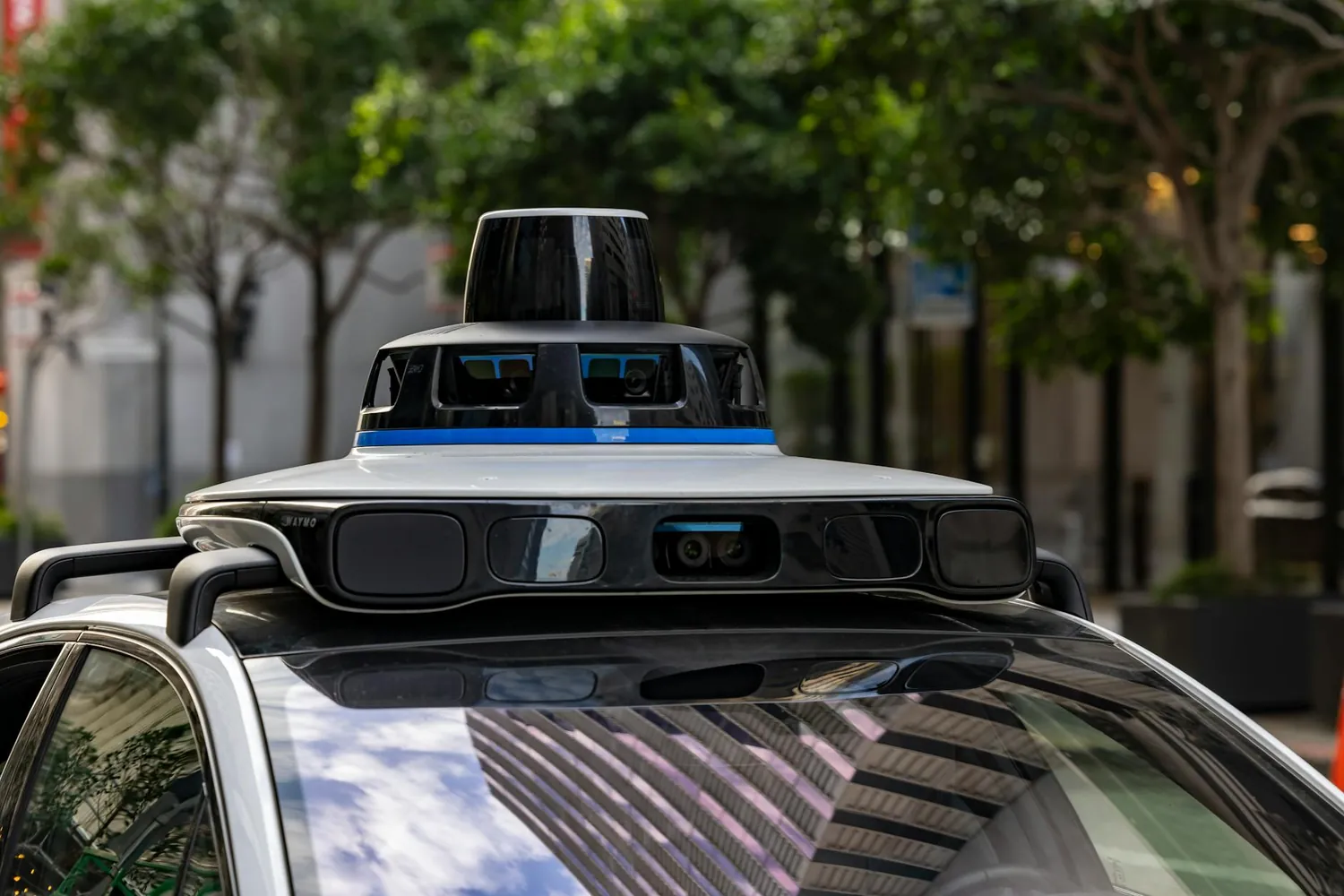
LiDAR, which stands for Light Detection and Ranging, is a pivotal sensor technology that has revolutionized automotive safety. By utilizing light in the form of a pulsed laser to measure distances, LiDAR systems create detailed, three-dimensional maps of the surrounding environment. This precision makes them indispensable in modern vehicles, especially as we move towards more autonomous driving experiences.
How LiDAR Works
LiDAR systems emit laser beams that bounce off objects in the vehicle’s vicinity. The system calculates the time it takes for the light to return to the source, allowing it to create a precise map of the environment. This real-time mapping is crucial for features such as collision avoidance and adaptive cruise control.
LiDAR vs. Radar: A Comparative Analysis
While both LiDAR and radar are used in vehicles for object detection and range measurement, they operate differently and have distinct advantages and limitations:
- Resolution and Precision: LiDAR generally offers higher resolution than radar, which means it can detect smaller objects with greater accuracy.
- Weather Conditions: Radar tends to perform better in adverse weather conditions like fog and rain because it uses radio waves rather than light, which can be scattered by weather phenomena.
- Cost and Complexity: LiDAR systems are typically more expensive due to their complexity, but ongoing advancements are reducing these costs.
Enhancing Collision Avoidance Systems with LiDAR
Collision avoidance is one of the most critical safety applications in modern vehicles. Here’s how LiDAR contributes:
Real-Time Hazard Detection
The high-resolution data from LiDAR allows vehicles to detect potential hazards swiftly. For instance, if an obstacle suddenly appears on the road, the LiDAR system can alert the driver or autonomously apply brakes to prevent a collision.
Integration with Other Systems
LiDAR works best when integrated with other sensor technologies like cameras and radar. This combination provides a comprehensive view of the vehicle’s surroundings, enabling more reliable and robust safety systems.
Automated Driving Capabilities
LiDAR is a cornerstone technology for achieving higher levels of vehicle automation. Let's delve into its role in automated driving:
Mapping and Localization
In automated vehicles, accurate mapping and localization are crucial for navigation. LiDAR's ability to create detailed 3D maps helps vehicles understand their exact position and trajectory in relation to their environment.
Path Planning and Obstacle Avoidance
For a vehicle to drive autonomously, it must plan safe paths while avoiding obstacles. LiDAR data feeds into sophisticated algorithms that enable dynamic path planning even in complex scenarios such as urban traffic or unstructured environments.
Potential Drawbacks of LiDAR in Vehicles
Despite its benefits, LiDAR technology has certain limitations that manufacturers and developers are working to overcome:
Sensitivity to Weather Conditions
As mentioned earlier, LiDAR performance can degrade in poor weather conditions. This limitation necessitates complementary technologies to ensure consistent safety across various environments.
Cost Concerns
The cost of LiDAR systems has historically been a barrier to widespread adoption, especially in lower-end consumer vehicles. However, technological advancements are gradually reducing these costs, making it more accessible.
The Future of LiDAR in Automotive Safety
The future holds promising potential for LiDAR as an integral part of automotive safety:
Improving Sensor Fusion Techniques
The fusion of data from multiple sensors will enhance system reliability and performance. Improved algorithms for data integration can help mitigate individual sensor limitations.
Advancements in Miniaturization and Cost Reduction
Ongoing research aims to make LiDAR systems smaller and more cost-effective without sacrificing performance. These advancements will be key in integrating LiDAR into everyday vehicles.
A Practical Framework for Integrating LiDAR into Vehicle Safety Systems
If you're considering integrating LiDAR technology into vehicle systems, follow this mini-framework:
- Assess Requirements: Define the specific safety features you wish to enhance using LiDAR, such as collision avoidance or automated parking.
- Select Compatible Sensors: Choose LiDAR systems that offer compatible integration with existing sensor technologies like cameras and radar.
- Develop Sensor Fusion Algorithms: Work with data scientists to create algorithms that effectively combine inputs from various sensors for comprehensive environmental mapping.
- Test Across Scenarios: Conduct extensive testing under different environmental conditions to ensure reliability and robustness of the integrated system.
This approach will guide automotive manufacturers and developers toward harnessing the full potential of LiDAR, thereby enhancing vehicle safety and paving the way for more advanced automated driving technologies.