The Crucial Role of Dash Cameras in Preventing Vehicle Theft
Why Dash Cameras Are Essential for Modern Vehicles
In the evolving landscape of automotive security, dash cameras have emerged as a critical tool for enhancing vehicle safety. Originally designed to document driving experiences and road incidents, these devices now play a pivotal role in thwarting theft attempts and aiding law enforcement in recovery efforts.
The Mechanics of Dash Cameras
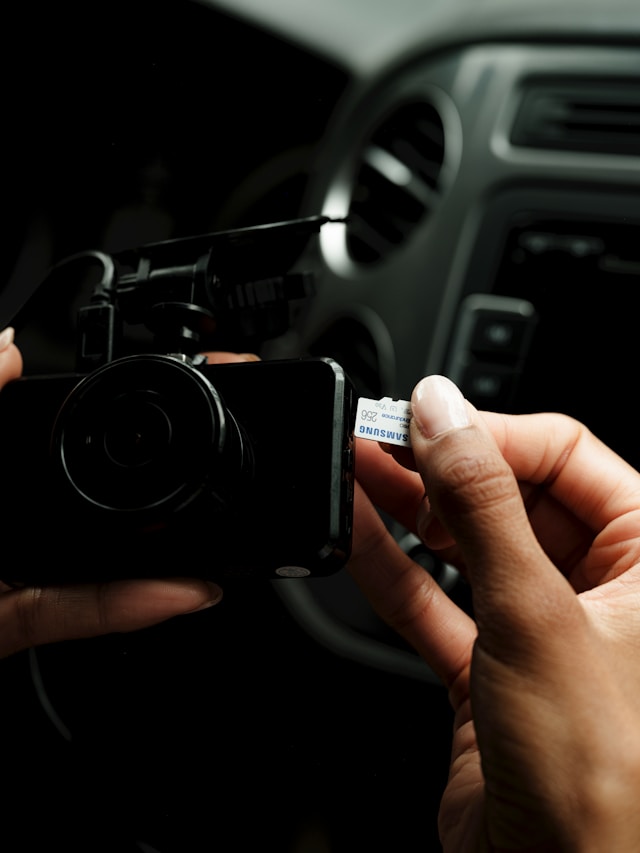
Dash cameras are essentially digital recording devices installed on a vehicle's dashboard or windshield. They continuously capture footage from the vehicle's front (and sometimes rear) while it is in operation. This footage serves as an impartial eyewitness, documenting events in real-time and providing invaluable evidence in various scenarios.
- Continuous Recording: Most dash cams begin recording when the vehicle is started and continue until it's turned off, ensuring no event goes undocumented.
- Loop Recording: When the storage is full, the camera overwrites the oldest footage first, ensuring consistent data capture.
- G-Sensor Technology: In case of abrupt movements like a collision, this sensor locks the relevant footage to prevent it from being overwritten.
Real-Life Scenarios: Dash Cameras in Action
Documenting Traffic Incidents
One of the primary reasons drivers install dash cameras is to record traffic incidents. These recordings provide unbiased accounts of road accidents, which can be crucial for insurance claims and police reports. For example, if you are involved in a hit-and-run accident, the footage can offer detailed information about the offending vehicle's make, model, and license plate number.
Theft Deterrence and Evidence Collection
Dash cams not only deter potential thieves with their visible presence but also collect vital evidence in case a theft does occur. In instances where a car is vandalized or stolen, the footage can assist in identifying suspects and understanding how the incident unfolded.
A study by the National Insurance Crime Bureau found that vehicles equipped with visible security cameras had a significantly lower theft rate compared to those without.
Advanced Features Enhancing Security
Parking Mode
Many modern dash cams come equipped with a parking mode feature. When activated, the camera continues to monitor the surroundings even when the car is parked. It records any suspicious activity around your vehicle, capturing potential thieves in action before they can cause harm.
GPS Tracking
Some advanced dash cams integrate GPS tracking capabilities, allowing you to monitor your vehicle's location remotely. This can be especially useful in recovering stolen vehicles quickly by providing real-time location updates to law enforcement.
Selecting the Right Dash Camera for Your Needs
Choosing the right dash camera involves considering several factors based on your specific needs:
- Video Quality: Opt for at least 1080p resolution to ensure clear footage.
- Field of View: A wider field of view captures more details, typically ranging from 120 to 170 degrees.
- Storage Capacity: Ensure sufficient storage space, preferably with support for high-capacity memory cards.
- Night Vision: Look for cameras with infrared or enhanced low-light sensors for better night-time recording.
A Practical Mini-Framework for Dash Cam Utilization
This framework outlines key steps to maximize the benefits of your dash camera:
- Installation: Securely mount your dash cam on the windshield or dashboard following the manufacturer's guidelines. Ensure the camera's field of view is unobstructed.
- Settings Configuration: Adjust settings such as video resolution, G-sensor sensitivity, and loop recording preferences to match your requirements.
- Regular Checks: Periodically review recorded footage and test the camera's functionality to ensure it's operating correctly.
- Data Management: Backup important recordings regularly and clear unnecessary files to maintain storage space.
The Future of Dash Cameras in Automotive Security
The integration of AI and machine learning into dash cameras is transforming them from simple recording devices into intelligent security systems. Future advancements may include automatic recognition of license plates and faces, alert systems for imminent threats, and seamless integration with smart home security networks.
The widespread adoption of dash cameras reflects a growing awareness of their significance in enhancing vehicle safety. As technology evolves, these devices will likely offer even more sophisticated features, further solidifying their place as essential components of modern automotive security strategies.