A Driver's Guide to Safely Maneuvering on Snow and Ice
Understanding the Challenges of Winter Driving
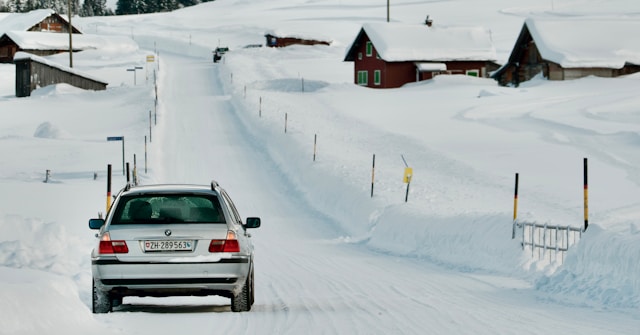
Driving in winter conditions presents unique challenges that demand a different approach compared to other seasons. Snow and ice can dramatically reduce tire traction, visibility, and overall vehicle control. Understanding these challenges is the first step in preparing for safe winter travel.
According to the Federal Highway Administration, approximately 24% of weather-related vehicle crashes occur on snowy, slushy, or icy pavements. This statistic highlights the importance of adapting our driving techniques during winter months to maintain safety.
Essential Techniques for Driving on Snow and Ice
1. Steering Adjustments
Proper steering is crucial when driving on snow and ice. Oversteering or understeering can lead to loss of control. Here are key tips:
- Gentle Inputs: Use smooth, gradual movements when steering. Abrupt changes can cause skidding.
- Look Ahead: Always look in the direction you want to go. Your hands will naturally follow your eyes, helping to maintain control.
- Hands at 9 and 3: Maintain a balanced grip on the wheel, positioning your hands at the 9 and 3 o'clock positions for optimal control.
2. Proper Braking
Effective braking on snow and ice is about maintaining traction and avoiding skids:
- Threshold Braking: Apply the brakes firmly but not so hard that the wheels lock up. It's about finding that sweet spot where you achieve maximum braking without losing grip.
- Anti-lock Braking System (ABS): If your car has ABS, apply steady pressure to the brake pedal. The system prevents wheel lockup by modulating brake pressure automatically.
- Brake Early: Start braking sooner than usual. It gives you more space to stop safely in case of a skid.
Preparing Your Vehicle for Winter Conditions
Tires: The Critical Contact Point
Your tires are the only part of your car that touch the road, making them critically important in winter driving:
- Winter Tires: Consider investing in winter tires, as they are specifically designed for cold temperatures and provide better grip on snow and ice.
- Tire Pressure: Check your tire pressure regularly. Cold weather can cause tire pressure to drop, reducing traction.
Visibility is Key
Reduced visibility is a common issue during winter months:
- Clean Windows: Make sure your windows are free from ice and snow before setting off. This includes both the inside and outside of your windows.
- Functional Wipers: Ensure your windshield wipers are in good condition and replace them if necessary. Use winter-specific wiper fluid to prevent freezing.
Tactics for Managing Skids
If you find yourself in a skid, remain calm and follow these steps to regain control:
- Don't Panic: Panicking can lead to overreactions that worsen the skid.
- Steer Into the Skid: If your rear wheels slide left, steer left. If they slide right, steer right. This helps regain traction.
- Avoid Braking: Do not slam on the brakes. Instead, ease off the accelerator until you regain control.
The Importance of Safe Distances
Maintaining a safe following distance is even more critical in snowy or icy conditions:
- Increase Following Distance: Double or triple your normal following distance to allow for more time to react to the unexpected.
- Avoid Close Quarters: Be especially cautious near intersections, bridges, and curves, where ice tends to form more quickly.
Practical Tips for Everyday Commuting in Winter
Daily commuting can be stressful during winter conditions, but these tips can help ensure a smoother ride:
- Plan Your Route: Stick to main roads that are more likely to be cleared of snow and ice.
- Avoid Rushed Journeys: Allow extra time for your commute to avoid the need for hurried driving.
A Sample Morning Routine for Winter Driving
This routine will help you start your day prepared for winter driving challenges:
- Check weather updates before leaving home.
- Inspect your vehicle’s tires, lights, and wipers.
- Clear all windows and mirrors of snow and ice.
The Role of Technology in Enhancing Winter Safety
Modern vehicles come equipped with technology designed to enhance safety during adverse conditions:
- Traction Control Systems (TCS): This system reduces wheel slip during acceleration by adjusting engine power or applying brakes selectively.
- Electronic Stability Control (ESC): ESC helps maintain control during difficult maneuvers by detecting and reducing loss of traction (skidding).
The Psychological Aspect of Winter Driving
Mental readiness is as crucial as physical preparation when it comes to winter driving:
- Mental Calmness: Approach winter driving with patience and caution rather than fear or frustration.
The success of safe winter driving lies not just in skills but also in attitude. Embrace each trip with a mindset geared towards safety and preparedness.