actionable steps to equip your vehicle for emergency scenarios
Equipping Your Vehicle: Why It Matters
In today's fast-paced world, ensuring that your vehicle is ready for any roadside emergency is crucial. Whether you're commuting through busy city streets or embarking on a cross-country road trip, being prepared can make a significant difference in your safety and peace of mind. This guide will provide you with a comprehensive checklist and practical steps to outfit your car for a range of potential emergencies.
Basic Toolkit Essentials
Every vehicle should have a basic toolkit to handle common mechanical issues or adjustments on the go. Here's what to include:
- Jack and Lug Wrench: Vital for changing a tire if you experience a flat.
- Screwdrivers: Both flathead and Phillips head for various minor repairs.
- Pliers: Handy for holding objects or bending wires.
- Adjustable Wrench: Useful for loosening and tightening nuts and bolts.
These tools should be stored in a compact, easily accessible container in your trunk.
Emergency Signaling Devices
Signaling devices are essential to alert other drivers if you're stranded or need assistance:
- Reflective Triangles: Place these behind your vehicle to increase visibility, especially at night.
- Flares: These can be used in low visibility conditions to alert other drivers of your presence.
- High-Visibility Vest: If you need to exit your vehicle, a vest ensures you're seen by oncoming traffic.
First Aid Kit
A well-stocked first aid kit is indispensable for addressing minor injuries on the road. Ensure it contains:
- Adhesive bandages and gauze
- Antiseptic wipes and ointments
- Pain relievers like ibuprofen or aspirin
- Tweezers and scissors
Regularly check your first aid kit to replace any expired items.
Tire Care and Maintenance
Tire issues are one of the most common roadside problems. Equip your vehicle with the following:
- Spare Tire: Ensure it's in good condition and properly inflated.
- Tire Pressure Gauge: Regularly check tire pressure to prevent blowouts.
- Tire Sealant: A quick fix for minor punctures until you can get a proper repair.
Routine Checkup Workflow
Implementing a routine tire check can prevent many common issues. Follow these steps monthly:
- Use the tire pressure gauge to check each tire's pressure against the manufacturer's recommended levels.
- Inspect tires for visible damage, such as cracks or punctures.
- Rotate your tires every 6,000 to 8,000 miles to ensure even wear.
Battery and Electrical
The battery is another critical component. Equip yourself with:
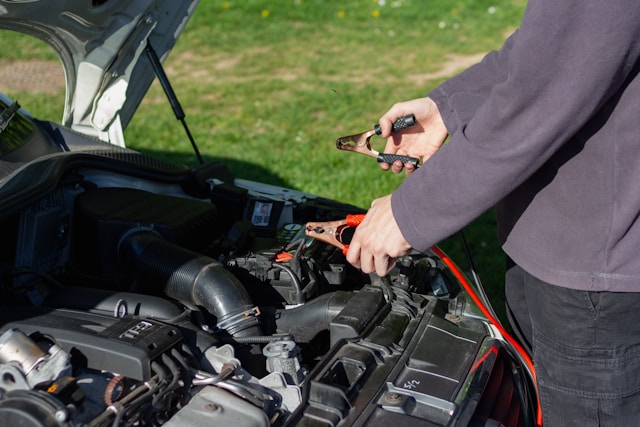
- Jumper Cables: In case of a dead battery, jumper cables can help start your vehicle with assistance from another car.
- Portable Battery Charger: Ideal for self-sufficiency, allowing you to charge your battery without needing another vehicle.
Navigation and Communication Tools
If you find yourself lost or in need of assistance without cellular service, these tools can be lifesavers:
- GPS Device: A standalone GPS device can be more reliable than smartphone apps in areas with poor reception.
- Road Maps: Old-school paper maps can be invaluable when technology fails.
Survival Gear for Stranded Situations
If you're stuck for an extended period, having these supplies can keep you comfortable and safe:
- Blankets or sleeping bags
- Bottled water and non-perishable snacks
- A multi-tool with various functions such as cutting or opening containers
Creating a Vehicle Emergency Plan
An effective plan involves preparing these elements:
- Create an emergency contact list including roadside assistance numbers.
- Keep a log of regular maintenance checks and updates in your glove compartment.
Winter Specific Preparations
If you live in or travel through colder regions, consider additional preparations:
- Icy windshield covers to prevent ice buildup overnight.
- A small shovel for digging out snow around tires.
A Mini-Framework for Emergency Preparedness
This framework will help you maintain readiness:
- Assess: Regularly evaluate what emergency supplies are missing or depleted in your vehicle.
- Aquire: Restock items immediately once identified as needed.
- Acclimate: Familiarize yourself with how each tool works before an emergency arises.
This step-by-step approach ensures you're not only equipped but also knowledgeable about handling emergencies efficiently.