best practices for handling hydroplaning and slippery roads
Understanding Hydroplaning
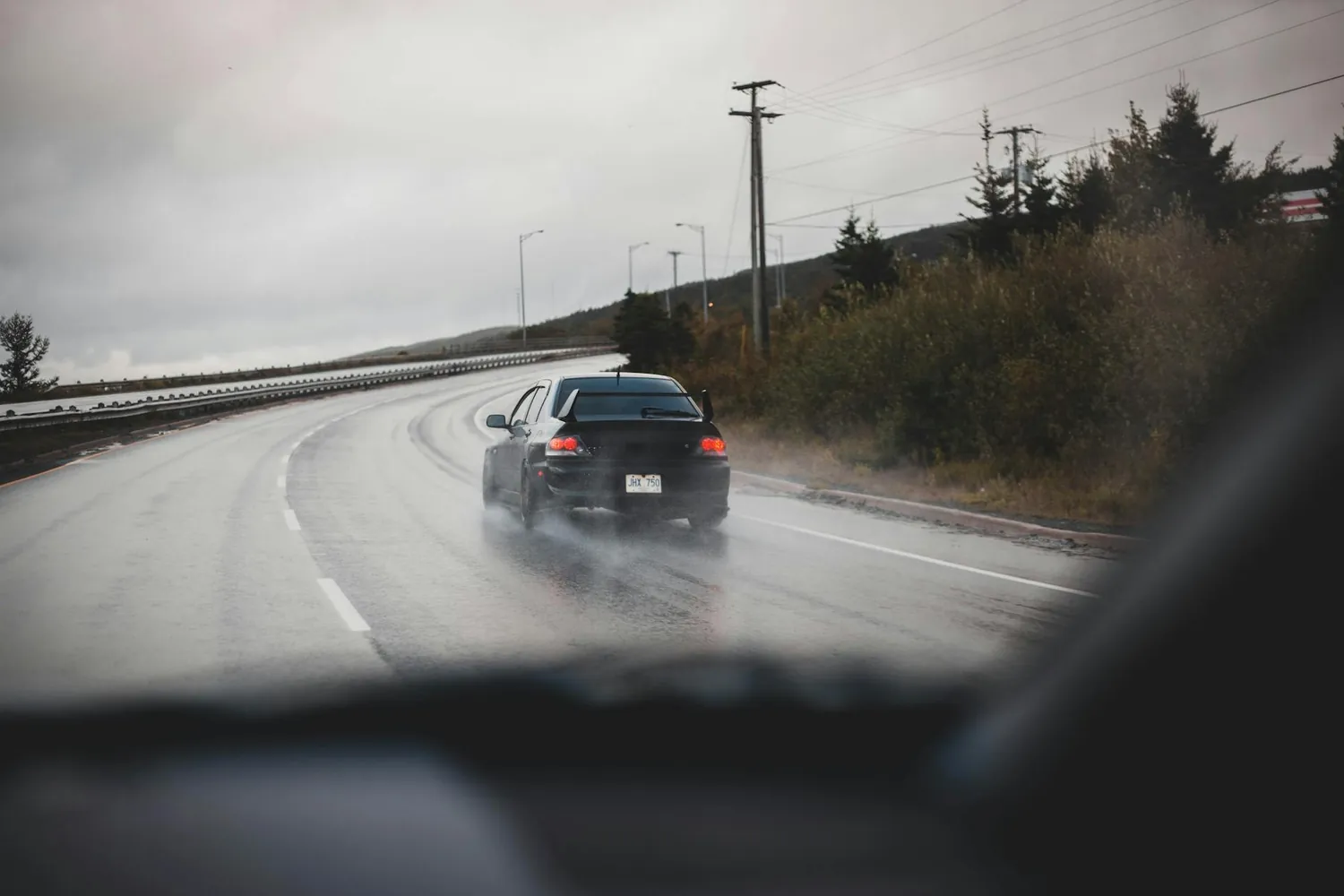
Hydroplaning occurs when a vehicle's tires lose contact with the road surface due to a thin layer of water. This results in a loss of steering, braking, and power control, making it crucial for drivers to understand the conditions that contribute to this phenomenon. Hydroplaning is more likely to occur during heavy rainfall or when water accumulates on the road.
One common misconception is that hydroplaning only happens at high speeds. While speed does increase the risk, hydroplaning can occur at speeds as low as 35 mph if the water on the road is deep enough and tires are worn out. Understanding this risk factor is vital for implementing effective preventative strategies.
Recognizing Early Signs of Hydroplaning
The first sign of hydroplaning is often a light, floating sensation in the steering wheel, accompanied by the engine revving faster than usual without an increase in vehicle speed. When these signs appear, it's crucial to take immediate corrective action.
Adjusting Speed for Safety
Speed is a critical factor in both preventing hydroplaning and safely navigating slippery roads. During wet conditions, it is advised to reduce your speed by at least one-third of the limit posted on dry days. This reduction not only helps in reducing the risk of hydroplaning but also provides you with more time to react to sudden changes in road conditions.
Practical Speed Management Tips
- Stay Alert: Constantly monitor road conditions and adjust your speed accordingly. If you notice standing water, slow down further.
- Use Cruise Control Cautiously: While convenient on long drives, cruise control should be avoided in wet conditions as it can delay your response time in emergencies.
Maintaining Safe Following Distances
In dry conditions, the three-second rule is a popular guideline for maintaining a safe distance between you and the car ahead. In wet conditions, however, it's advisable to increase this gap to at least five seconds. This extra distance provides ample time for both your vehicle and the vehicle ahead to respond to unexpected hazards.
How to Measure Safe Distance
Pick a stationary object on the road, like a sign or a tree. Once the vehicle in front passes it, count how many seconds it takes before you pass the same object. Adjust your speed if necessary to maintain at least a five-second interval.
Effective Use of Headlights
Visibility drastically decreases during heavy rain. Proper use of headlights is not just about seeing better but also about ensuring other drivers can see you. Low beam headlights are preferable as they minimize glare from raindrops, whereas high beams can exacerbate this issue by reflecting off wet surfaces and creating more glare.
When to Use Headlights
- Dusk to Dawn: Even if rain isn't heavy, twilight hours can obscure visibility, making headlights essential.
- In Case of Heavy Rain: Always switch on headlights in rain to stay visible. Fog lights can be used in extreme conditions but remember they are less effective at improving visibility than low beams.
Knowing When to Pull Over
No matter how skilled a driver you are, sometimes conditions become too dangerous for safe driving. Recognizing these situations and knowing when to pull over can save lives.
Signs It's Time to Stop
- Your windshield wipers are on maximum setting but visibility remains extremely low.
- You experience frequent hydroplaning, even at reduced speeds.
- Your vehicle becomes difficult to control or begins skidding frequently.
If these situations occur, it is best to pull over at a safe location off the road until conditions improve. Use your hazard lights to alert other drivers that your vehicle is stationary.
The Role of Tires in Handling Wet Conditions
Tires play a significant role in how well a vehicle handles during rainy conditions. Regularly checking tire tread depth and ensuring proper inflation can prevent hydroplaning.
Tire Maintenance Checklist
- Tread Depth: The recommended tread depth for tires is at least 1/16 inch (1.6 mm). Use a tread depth gauge or insert a quarter into the tread groove. If the top of Washington's head is visible, it's time for new tires.
- Proper Inflation: Regularly check tire pressure with a reliable gauge. Under-inflated tires have increased contact area, which may lead to hydroplaning.
Advanced Techniques for Skilled Drivers
Experienced drivers can use several advanced techniques to enhance control when faced with adverse weather conditions.
The Braking Technique
Most vehicles today are equipped with anti-lock braking systems (ABS), which prevent wheels from locking up during emergency stops. To effectively use ABS, apply firm and steady pressure on the brake pedal until the vehicle comes to a stop or you regain control.
The Steering Technique
- When skidding occurs, remain calm and steer gently in the direction you want the front of the car to go. Do not overcorrect or jerk the steering wheel.
Accelerating Out of Trouble
If you begin to skid while accelerating on a slippery surface, ease off the accelerator until traction returns, then gently accelerate again once stable control is achieved.
The Importance of Driver Focus and Mental Preparedness
Mental preparedness and focus are crucial in navigating through adverse weather conditions effectively. Stay updated with weather forecasts and plan your trips accordingly.
Mental Strategies for Adverse Conditions
- Practice defensive driving: Be aware of other drivers' actions and plan your responses ahead.
- Stay calm: Stress or panic can impair judgment and reaction times.
Understanding and implementing these techniques can significantly enhance your ability to handle hydroplaning and slippery roads safely. Through mindful driving and proper vehicle maintenance, you can ensure safety for yourself and others on the road during adverse weather conditions.