Best Practices for Managing Vehicle Blind Spots on the Road
Understanding Vehicle Blind Spots
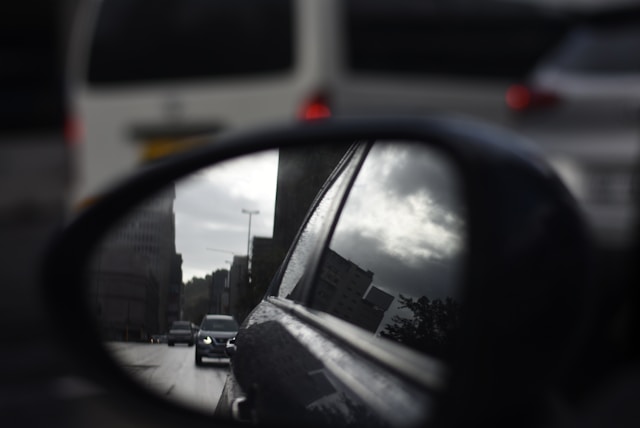
Blind spots are areas around your vehicle that cannot be seen using your mirrors. These zones pose significant risks because they can hide other vehicles or obstacles, potentially leading to accidents. Understanding where these blind spots are located and how they vary between different types of vehicles is the first step towards mitigating risks on the road.
Common Blind Spot Areas
In most vehicles, the major blind spots are located along the sides of the car just beyond the rear of the vehicle. Additionally, some drivers may experience blind spots directly in front of them due to structural elements like the A-pillars. Larger vehicles, such as trucks and SUVs, tend to have more extensive blind spots due to their size and design.
Optimizing Mirror Adjustments
Proper mirror adjustment is crucial for minimizing blind spots. Here's a step-by-step guide on how to adjust your mirrors effectively:
- Side Mirrors: Sit in the driver's seat and tilt your head until it almost touches the driver's side window. Adjust the left mirror so that you can barely see the side of your car from this position. For the right mirror, lean towards the center of the vehicle and adjust accordingly.
- Rearview Mirror: This should be positioned to give you a clear view out of the back window without needing to move your head.
Regularly checking and readjusting your mirrors ensures optimal visibility.
The Importance of Head-Check Techniques
No matter how well-adjusted your mirrors are, there will still be areas that remain invisible. To cover these blind spots, always perform a head check before changing lanes or merging. This involves quickly glancing over your shoulder to ensure no vehicles are present in adjacent lanes.
Incorporating Head-Checks into Your Routine
Here’s a practical workflow for incorporating head-checks:
- Signal First: Before making any maneuvers, activate your turn signal to communicate your intentions to other drivers.
- Mirror Check: Look into your side mirrors to check for approaching vehicles.
- Head Check: Finally, look over your shoulder in the direction you intend to move. This quick check should confirm whether it's safe to proceed.
Maintaining Proper Seating Positions
Your seating position significantly impacts your ability to monitor blind spots. A proper driving posture not only enhances comfort but also ensures that all necessary visual checks can be performed efficiently.
- Seat Height: Adjust the seat height so that you have a clear view over the steering wheel and can easily reach all controls.
- Backrest Angle: The backrest should be slightly reclined to provide support while maintaining an upright position.
- Distance from Pedals: Ensure you can press pedals fully without stretching your legs completely.
A comfortable yet functional seating position aids in timely and effective blind spot checks.
Utilizing Technology: Blind Spot Monitoring Systems
Modern vehicles often come equipped with technology designed to assist with blind spot monitoring. These systems use sensors to detect objects in adjacent lanes, alerting drivers with visual or audible warnings.
Benefits of Blind Spot Monitoring Systems
- Enhanced Awareness: These systems provide an extra set of eyes, reducing the likelihood of accidents due to unseen vehicles.
- User-Friendly Warnings: Alerts are typically intuitive, making it easier for drivers to understand when a vehicle is in their blind spot.
Although these systems are beneficial, they should complement—not replace—traditional techniques like mirror checks and head-turning.
Case Study: Adapting Techniques for Different Vehicle Types
Let's consider a case study involving two drivers: Jane, who drives a compact sedan, and Mike, who operates a larger SUV.
Jane's Approach
Driving a smaller car means Jane’s blind spots are less pronounced. She focuses heavily on mirror adjustments and regular head checks. Jane also uses her vehicle’s blind spot monitoring system to alert her to nearby cars, which she verifies with a quick shoulder glance before making lane changes.
Mike's Challenges
In contrast, Mike faces larger blind spots due to his SUV's size. He uses additional mirror attachments designed to provide a wider field of view and relies more heavily on technology aids like camera systems that offer views from different angles around his vehicle. Despite these tools, Mike understands the importance of manual checks and remains diligent about performing head checks before every maneuver.
Conclusion: A Combined Approach for Safety
The most effective strategy for managing blind spots involves a combination of traditional techniques and modern technology. By maintaining optimal mirror settings, using head-check techniques diligently, ensuring proper seating positions, and utilizing technological aids where available, drivers can significantly enhance their situational awareness and safety on the road. Remember, technology can aid in detection but should never replace the critical habit of staying attentive and actively monitoring your surroundings.