comprehensive strategies for maintaining focus during night drives in rural settings
The Unique Challenges of Night Driving in Rural Areas
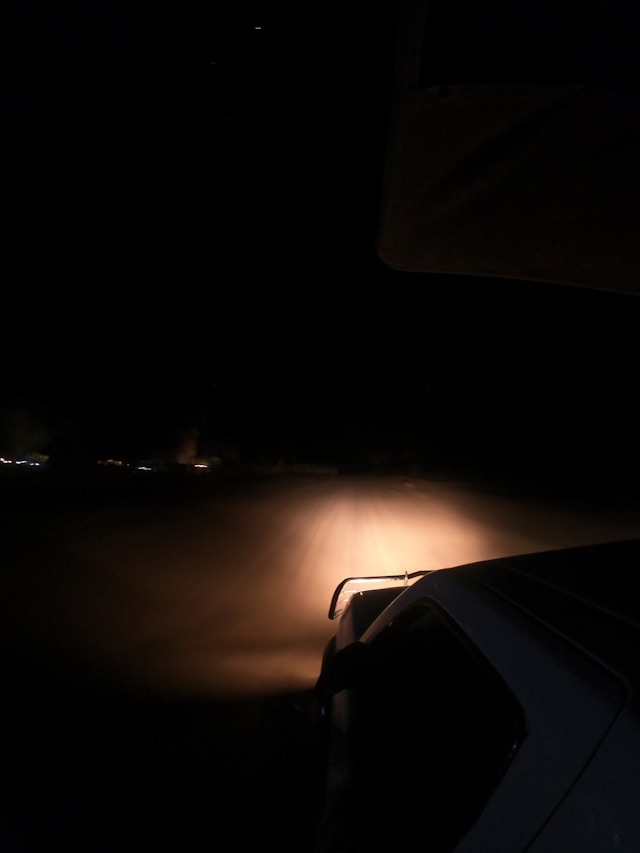
Driving at night presents a distinct set of challenges, particularly in rural areas where street lighting is scarce and wildlife crossings are common. While urban settings are equipped with streetlights and bustling traffic to guide the way, rural roads often require drivers to rely solely on their headlights. This can lead to increased visual fatigue and a greater reliance on reflexes. Understanding these conditions is the first step in preparing for a safe journey.
Visual Fatigue and Its Impacts
Visual fatigue results from prolonged exposure to low-light conditions, which can lead to decreased reaction times and impaired judgment. On dark country roads, your eyes must constantly adjust to the limited illumination, making it harder to focus. This can be compounded by the monotony of the drive, with few visual cues or landmarks to break up the scenery.
Adjusting Speed for Nighttime Conditions
One of the most effective strategies for maintaining safety during night drives in rural areas is adjusting your speed. While it might be tempting to maintain highway speeds, reducing your speed allows for better reaction time if an obstacle appears in your path. The general rule of thumb is to drive at a speed that allows you to stop within the distance illuminated by your headlights.
Calculating Safe Stopping Distances
- Low Beams: Typically illuminate up to 200 feet ahead. At 55 mph, this gives you roughly 4 seconds to react and stop.
- High Beams: Can extend visibility up to 500 feet, increasing your reaction time significantly.
It's crucial to adapt your speed based on these ranges. For instance, if you're driving on unfamiliar roads where animals might suddenly appear, maintaining a lower speed could prevent accidents.
The Strategic Use of High Beams
High beams can dramatically improve visibility on dark rural roads, but they must be used judiciously. Misuse can blind oncoming drivers or create reflective glare that diminishes your own ability to see.
When and How to Use High Beams
- Use high beams on open roads without oncoming traffic or when no vehicles are in front of you.
- Turn them off when approaching a hill or curve where an oncoming car could suddenly appear.
- Always dim your lights within 500 feet of an oncoming vehicle or 300 feet of a vehicle in front of you.
Proper use of high beams not only enhances your visibility but also signals other drivers, helping prevent collisions.
Recognizing and Responding to Wildlife Signs
Rural areas are often habitats for deer, elk, and other wildlife that can pose significant risks if encountered unexpectedly. Recognizing signs of wildlife activity can greatly enhance safety during night drives.
Common Indicators of Wildlife Activity
- Signs such as ‘Deer Crossing’ should always be taken seriously and may warrant reduced speeds and heightened alertness.
- Look for glowing eyes along the roadside as these often indicate nearby animals.
One effective case study involved the Montana Department of Transportation, which reduced nighttime accidents by installing motion-activated warning systems along known wildlife corridors. These systems alert drivers with flashing lights when large animals are near the roadway.
Staying Alert: Practical Tips for Drivers
Maintaining focus is imperative for safe nighttime driving. Here are strategies that can help you stay alert and responsive:
- Adequate Rest: Ensure you are well-rested before embarking on a night drive. Fatigue can severely impair your ability to react promptly.
- Caffeine Moderation: While caffeine can temporarily increase alertness, it should be consumed in moderation to avoid jitteriness or a crash later on.
- Semi-Frequent Breaks: Plan regular stops during long journeys. Stretching and walking around can rejuvenate your senses and break the monotony.
The Role of Technology in Staying Focused
Modern vehicles offer various technologies designed to assist drivers during nighttime conditions. Features such as lane-keeping assist, adaptive cruise control, and even infrared night vision systems can be invaluable tools. However, these should complement rather than replace vigilance and awareness.
Conclusion: Preparing for a Safe Journey
Driving at night in rural settings requires a unique set of skills and strategies. By adjusting your speed appropriately, using high beams effectively, staying vigilant for wildlife, and taking measures to remain alert, you can significantly enhance your safety. Remember, preparation and awareness are your greatest allies when navigating the dark stretches of rural roads.