How to Effectively Maneuver Through Urban Traffic While Staying Safe
Understanding Urban Traffic Dynamics
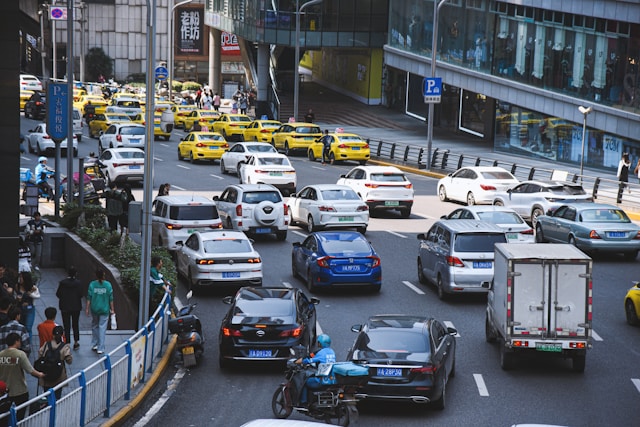
Driving in urban areas can be a daunting experience, even for seasoned drivers. The fast-paced environment, unpredictable pedestrian behavior, and complex road layouts require a higher level of concentration and adaptability. To effectively maneuver through urban traffic while maintaining safety, it's essential to understand the dynamics of city driving.
Predictive Driving: Anticipating the Flow
One of the most crucial skills for navigating urban traffic is predictive driving. This involves anticipating the actions of other road users and adjusting your driving accordingly. For instance, if you're approaching an intersection, anticipate that a pedestrian might suddenly appear or that another vehicle may try to cut across lanes. By predicting these potential movements, you can slow down or change lanes early, thus avoiding sudden stops or swerves.
Consider the example of downtown Los Angeles. The heavy traffic and frequent lane changes require drivers to be constantly aware of their surroundings. By maintaining a safe following distance and being prepared for unexpected lane shifts, drivers can avoid collisions and ensure a smoother journey.
Navigating Intersections and Traffic Lights
Intersections are hotspots for accidents in urban areas due to the convergence of multiple traffic streams. Understanding how to approach these intersections safely is vital.
Approach with Caution
When approaching a traffic light or stop sign, reduce speed well in advance. This gives you ample time to react if the light changes unexpectedly or if pedestrians step onto the crosswalk. It's also a good practice to briefly glance both ways even if you have the right of way, ensuring no other driver or cyclist is ignoring their signals.
- Keep an eye on the pedestrian walk signals. They often provide clues about when the lights might change.
- Utilize your mirrors to stay aware of vehicles that may try to overtake or turn sharply from adjacent lanes.
Dealing with Pedestrian Traffic
Cities are bustling with pedestrian activity, and it's important to give them the right of way at crosswalks. In busy areas like Times Square, New York, pedestrians are everywhere, often crossing against the lights. Slow down as you approach intersections and be ready to stop suddenly if necessary.
Another key strategy is to make eye contact with pedestrians waiting to cross. This non-verbal communication can help you gauge whether they intend to wait or cross, allowing you to adjust your speed accordingly.
Handling Congested Streets
Navigating through congested streets requires patience and tactical maneuvers.
Using Adaptive Speed Control
Adaptive speed control can significantly enhance safety on busy streets. By maintaining a consistent speed and avoiding frequent accelerations or decelerations, you reduce wear on your vehicle and minimize the risk of rear-end collisions. In cities like Chicago, where rush hour congestion is severe, setting a steady pace helps maintain traffic flow and prevents bottlenecks.
Selecting the Right Lane
The choice of lane can greatly impact your journey through urban traffic. In multi-lane roads, choose a lane based on your destination rather than perceived speed advantages. If you know an exit is approaching on the right, start merging early rather than at the last moment. This not only helps in avoiding abrupt lane changes but also reduces the likelihood of getting stuck behind turning vehicles.
Using Technology for Safety
Modern vehicles come equipped with technology that can assist in safe urban driving.
Leverage GPS Navigation
A reliable GPS navigation system can be a lifesaver in unfamiliar urban environments. It not only provides directions but also warns about upcoming traffic conditions and potential hazards. For example, Waze offers real-time traffic updates and alerts from other drivers about road closures or accidents, helping you adjust your route accordingly.
However, it's important not to rely solely on technology; always cross-reference with road signs and stay alert to changes that the GPS might miss.
Blind Spot Detection Systems
With tight urban spaces making lane changes risky, blind spot detection systems offer an extra layer of security by alerting drivers to vehicles in adjacent lanes that may not be visible through mirrors alone.
Effective Communication on the Road
Communication is key in urban driving environments.
Using Indicators Wisely
Your vehicle's indicators are a primary form of communication with other drivers. Always use them when changing lanes or making turns. In dense traffic situations, such as those found in London’s city center, signaling well in advance gives others time to respond and adjust their driving accordingly.
The Power of Non-verbal Cues
Non-verbal cues, like hand gestures or nods, can also convey intentions clearly in tight spots where verbal communication isn't possible. A simple wave can indicate thanks or acknowledgment, promoting goodwill among fellow drivers.
Mental Preparedness and Attitude
Your mindset plays a crucial role in managing stress and maintaining safety in urban traffic.
Stay Calm Under Pressure
Urban driving can be stressful due to its unpredictability. Techniques such as deep breathing and listening to calming music can help keep your mind clear. Remaining calm helps you make better decisions and react more appropriately to unforeseen circumstances.
An illustrative example comes from Tokyo's crowded Shibuya Crossing, where staying composed amidst thousands of crossing pedestrians ensures both driver and pedestrian safety.
Conclusion: Embracing Urban Driving with Confidence
Maneuvering through urban traffic while staying safe requires a combination of anticipation, strategic decision-making, and effective communication. By understanding traffic patterns and using modern technology judiciously, drivers can navigate city streets with greater ease and confidence. Ultimately, embracing a proactive approach ensures not only personal safety but also contributes to smoother overall traffic flow in bustling city environments.