how to enhance your safety near animal crossings while driving
Understanding Animal Crossings
Driving on rural roads comes with unique challenges, one of which is the possibility of encountering animals crossing the roadway. These crossings are prevalent in areas where wildlife habitats intersect with human infrastructure, often leading to dangerous situations for both the driver and the animal.
Animal crossings can occur at any time but are most frequent during dawn and dusk when many animals are most active. Understanding these patterns can greatly enhance your ability to anticipate and avoid potential hazards.
Why Animal Crossings Occur
Animals cross roads primarily in search of food, water, mates, or shelter. Many rural roads cut through their natural habitats, making encounters inevitable. Recognizing the environmental factors that encourage these crossings, such as seasonal migration or mating periods, can help in anticipating potential encounters.
Recognizing High-Risk Areas
Identifying high-risk areas where animal crossings are more likely can prevent accidents. Here are some indicators:
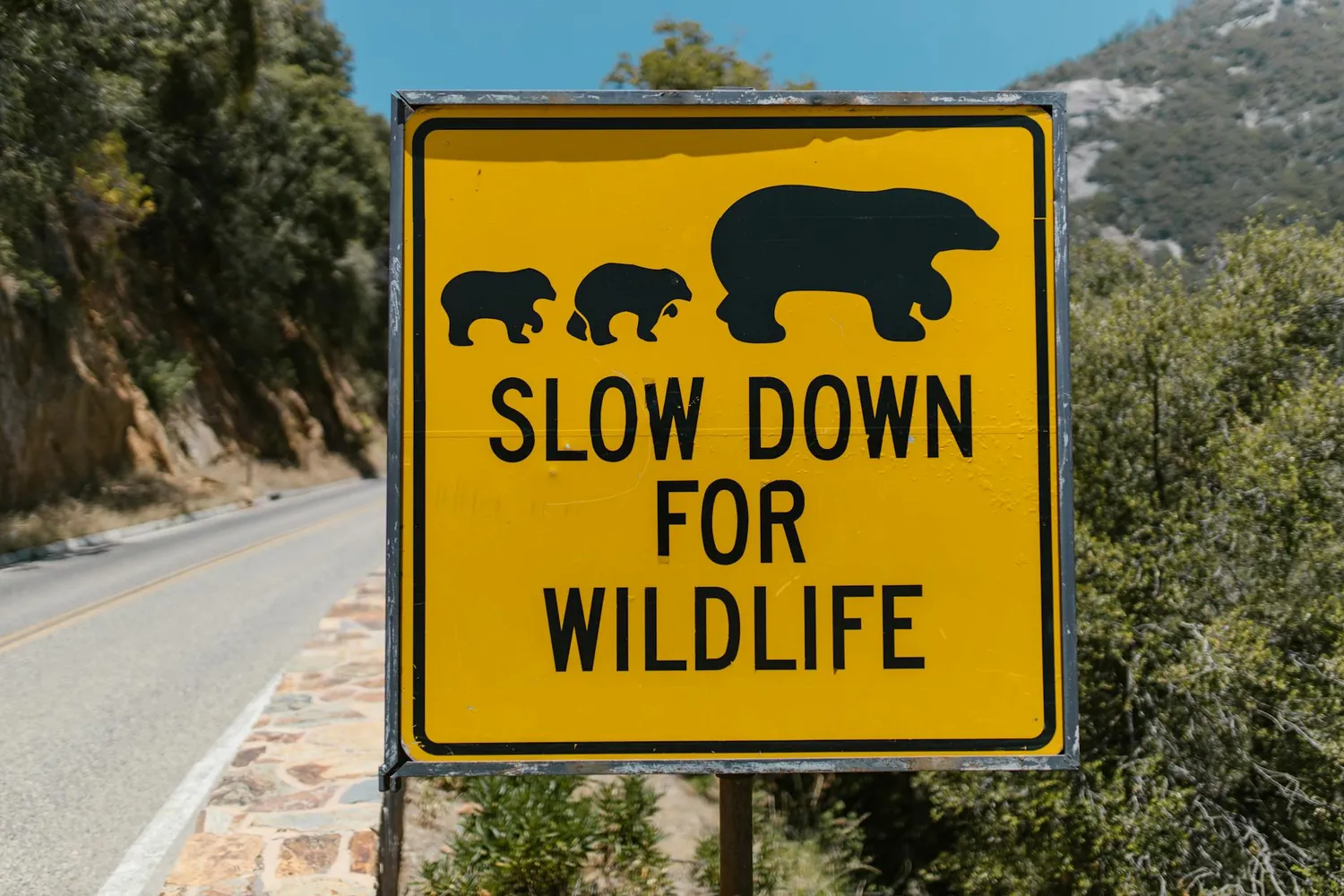
- Wildlife Crossing Signs: Pay attention to signs indicating frequent wildlife crossings. These are usually placed in areas where animals are known to cross frequently.
- Water Sources: Roads near rivers, lakes, or ponds may have higher animal activity as wildlife moves towards these water bodies.
- Wooded Areas: Roads cutting through forests or dense vegetation often have higher incidences of animal crossings.
Once you have identified high-risk areas, it's essential to adjust your driving habits accordingly.
Adapting Your Speed
Speed plays a crucial role in avoiding accidents with animals. Reducing speed gives you more time to react if an animal suddenly appears on the road. Here's how you can manage your speed effectively:
- Drive Slower in High-Risk Areas: Reduce your speed in areas marked by wildlife crossing signs, dense vegetation, or near water bodies.
- Dusk and Dawn Awareness: Be particularly vigilant during dawn and dusk when animals are more active.
- Maintain Control: Lower speeds enhance vehicle control, enabling safer maneuvering around obstacles.
Case Study: Speed Adjustment Success
Consider a scenario where a driver named Alex often commutes through a forested area known for deer crossings. By reducing his speed from 60 mph to 45 mph, he increases his reaction time by several seconds, allowing him to stop safely when a deer unexpectedly crosses the road one evening. This small adjustment helps Alex avoid what could have been a severe collision.
Using Technology to Enhance Safety
Technology can be a powerful ally in enhancing safety near animal crossings. Several systems can help drivers detect and avoid wildlife:
- Night Vision Systems: Some modern vehicles are equipped with night vision systems that highlight animals on the road during low-light conditions.
- Infrared Cameras: These cameras can detect heat signatures from animals, alerting drivers to their presence even before they are visible.
If your vehicle does not have these features, consider aftermarket options or smartphone apps designed for detecting wildlife along roads.
The Importance of Driver Vigilance
While technology can aid in detection, maintaining vigilance is irreplaceable. Constantly scanning the road ahead and being aware of your surroundings increases your chances of spotting animals early.
The Two-Second Rule
A practical tip for maintaining a safe following distance is the two-second rule. This method not only helps in regular traffic situations but also provides the necessary buffer to spot crossing animals:
- Select a stationary object ahead of you, such as a sign or tree.
- Once the car in front of you passes it, count "one-thousand-one, one-thousand-two."
- If you reach the object before you finish counting, you're following too closely and should slow down to allow more space.
Checklist for Safe Driving Near Animal Crossings
Here’s a quick checklist to ensure you’re prepared when driving through areas prone to animal crossings:
- Reduce speed in high-risk areas.
- Stay alert and scan both sides of the road continuously.
- Use high beams at night when possible (without blinding oncoming traffic).
- Avoid swerving; it’s safer to brake firmly than attempt evasive maneuvers that could lead to losing control or veering into oncoming traffic.
By following these guidelines and staying aware, you significantly decrease the likelihood of collisions with wildlife.