
Navigating Road Challenges: Assessing Defensive Strategies for Enhanced Safety
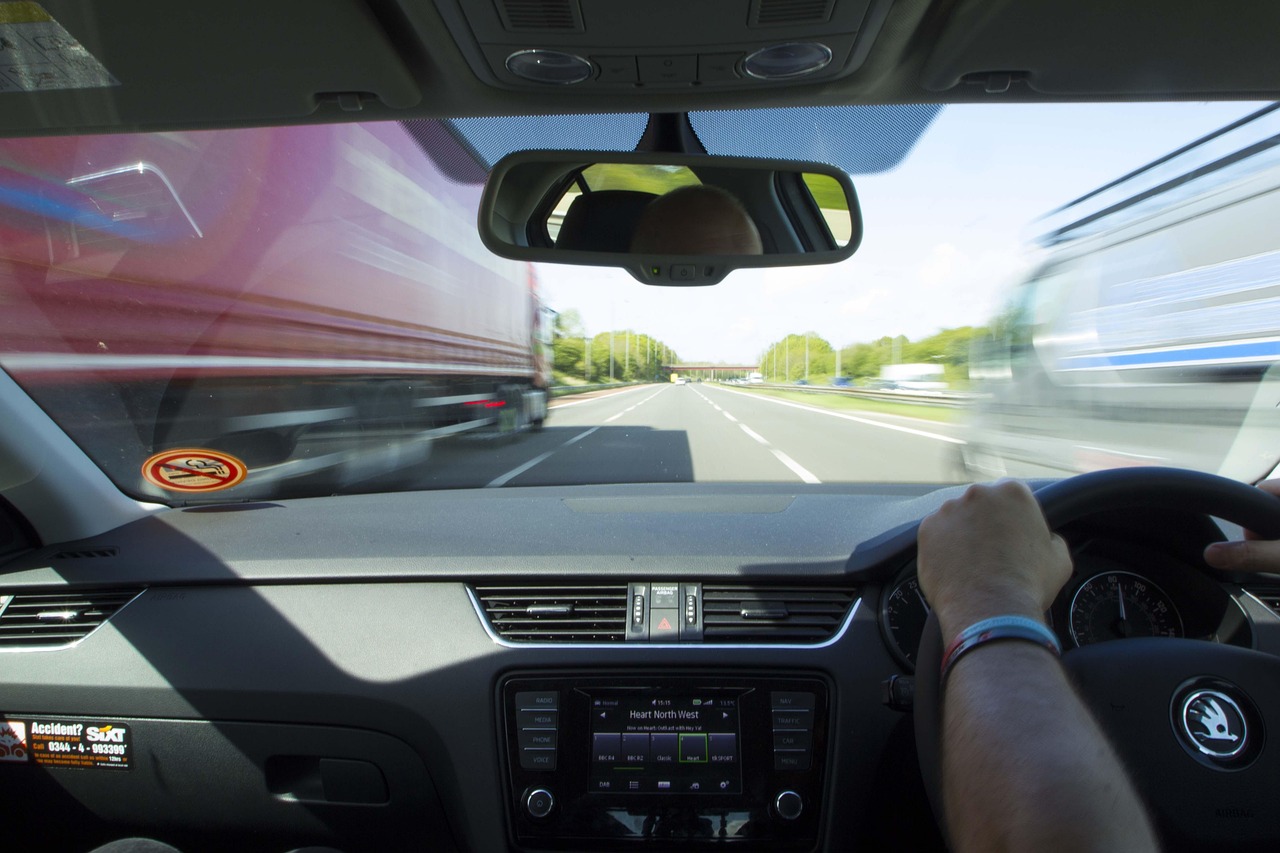
Defensive Driving: A Time-Tested Approach
Defensive driving is a well-known concept that aims to improve road safety by encouraging drivers to anticipate potential hazards. This involves maintaining awareness of your surroundings, keeping a safe distance from other vehicles, and adapting your speed according to traffic and weather conditions. Defensive driving courses often emphasize skills such as proper mirror use, scanning the road ahead, and understanding the physics of vehicle motion.
The Foundation of Defensive Driving
At its core, defensive driving involves the anticipation of potential problems. For example, if you notice brake lights in the distance, a defensive driver would immediately begin to slow down and assess the situation rather than waiting until they are closer to react. This kind of preemptive action can prevent accidents.
- Space Cushioning: Always maintain a space cushion around your vehicle. This means keeping a buffer zone between you and the car in front, allowing you more time to react.
- Avoiding Assumptions: Never assume that another driver will act predictably or adhere to traffic rules.
- Predicting Hazards: Be aware of pedestrians, cyclists, and unpredictable road conditions such as construction zones or inclement weather.
Proactive Driving: Taking the Initiative
While defensive driving involves reacting to situations as they arise, proactive driving is about taking steps to prevent them from occurring in the first place. This strategy involves more assertive techniques, including positioning your vehicle for optimal visibility and control, and communicating effectively with other road users.
Implementing Proactive Driving Techniques
Proactive driving can be seen in actions such as taking control of your lane position to maximize visibility and minimize blind spots. By doing so, you reduce the likelihood of sudden surprises. Consider the following proactive strategies:
- Lateral Movement: Use your lane positioning strategically to enhance your view of upcoming traffic lights or stop signs. For instance, in heavy traffic, moving slightly within your lane may allow you to see around larger vehicles.
- Active Communication: Use turn signals well in advance of your intended move, and make eye contact with pedestrians at crosswalks when possible to ensure that your intentions are understood.
- Risk Assessment: Continuously evaluate the risks associated with potential actions like changing lanes or overtaking slower vehicles, especially in high-density traffic.
When to Apply Each Strategy
The decision to use defensive versus proactive driving strategies depends largely on situational awareness and personal comfort levels behind the wheel. Both methods have distinct advantages and can be applied effectively depending on specific driving conditions.
Urban vs. Rural Settings
In urban areas with heavy traffic and numerous intersections, a combination of both defensive and proactive strategies is beneficial. For example, maintaining a safe distance (defensive) while also actively seeking gaps in traffic (proactive) can reduce stress and improve flow.
In contrast, rural areas might require more defensive tactics due to higher speeds and less predictable road conditions. Here, being prepared for sudden animal crossings or farm vehicles is crucial.
Adverse Weather Conditions
Weather significantly impacts driving strategies. During rain or snow, defensive techniques like reducing speed and increasing following distances are vital. Proactively checking tire conditions before heading out in bad weather ensures better handling capabilities.
The Role of Technology in Modern Driving
Today's vehicles are equipped with technology that enhances both defensive and proactive driving techniques. Advanced Driver-Assistance Systems (ADAS) offer features such as adaptive cruise control and lane-keeping assistance that support both styles of driving.
Leveraging Technology for Safety
Utilizing technology effectively can bridge the gap between reactive and proactive driving strategies:
- Blind Spot Detection: Alerts drivers to vehicles in their blind spots, allowing for safer lane changes.
- Automatic Emergency Braking: Engages brakes automatically if an imminent collision is detected, supporting defensive driving principles.
- Adaptive Headlights: These adjust their beam direction based on vehicle speed and steering, enhancing visibility during proactive maneuvers.
Case Study: Implementing Both Strategies in Real-World Scenarios
Consider the case of Sarah, a daily commuter navigating a busy city environment. Each morning, Sarah uses proactive strategies by starting her journey earlier to avoid peak congestion times, planning her route based on current traffic data. However, she switches to defensive driving techniques during her commute by remaining vigilant for unexpected pedestrian crossings or erratic drivers.
This combination allows Sarah to not only minimize delays but also reduce her risk of accidents significantly. Her approach demonstrates how blending these strategies can result in safer, more efficient travel.
Conclusion: Crafting Your Own Safe Driving Approach
Navigating road challenges requires a thoughtful approach that incorporates both defensive and proactive strategies. While defensive driving is essential for responding to immediate threats, proactive driving allows for anticipation and prevention of potential hazards. As a driver, understanding when and how to apply each method ensures a safer experience for everyone on the road.
The key lies in continuous learning and adaptation. As new technologies emerge and roads become busier, staying informed and adjusting your driving habits accordingly will keep you ahead in ensuring road safety.