tips for optimizing headlight use during heavy rain and poor visibility
Understanding Headlight Basics
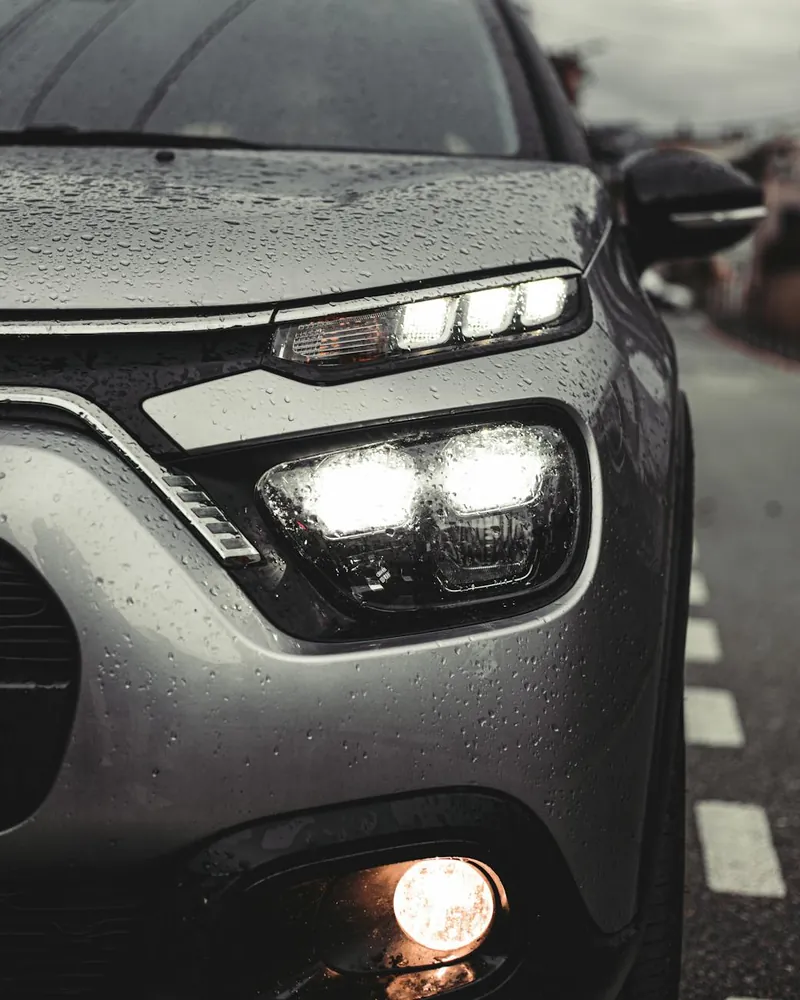
When driving through heavy rain or fog, your vehicle's headlights become crucial tools for safety. They not only help you see but also ensure that other drivers can see you. Let's explore the different types of headlights and how each performs in adverse weather conditions.
High Beams vs. Low Beams
Headlights typically come in two main settings: high beams and low beams. Understanding when to use each is vital.
- High Beams: These provide a bright and broad field of light, which is excellent for dark, open roads without oncoming traffic. However, during fog or heavy rain, high beams can reflect off water droplets or fog particles, creating a glare that actually reduces visibility.
- Low Beams: These are ideal for city driving and situations where you need less light reflection, such as in foggy conditions. Low beams direct light downward, reducing the amount of light that bounces back into your eyes.
Fog Lights
Many vehicles are equipped with fog lights designed specifically for driving in foggy conditions. These lights are mounted lower on the vehicle to illuminate the road without creating glare. It's essential to understand how to use these effectively in combination with your regular headlights.
Optimizing Headlight Use in Heavy Rain
Heavy rain poses unique challenges to drivers, impacting both visibility and control. Here's how to use your headlights effectively in such conditions:
Using Low Beams
In heavy rain, it's best to rely on low beams. They minimize glare from raindrops on the windshield and the road surface, offering a clearer view.
Engage Fog Lights When Necessary
If your vehicle is equipped with fog lights, engage them alongside your low beams to enhance visibility. The combination provides a broader and clearer field of vision close to the ground.
Avoid High Beams
As mentioned earlier, high beams can be counterproductive in heavy rain due to increased glare. Reserve them for clear conditions where they won't reflect off moisture particles.
Driving Techniques for Enhanced Safety
Apart from optimizing headlight use, there are other strategies you can employ to maintain safety while driving in poor visibility:
- Reduce Speed: Drive slower than usual to give yourself more time to react to obstacles or changes in the road.
- Maintain Distance: Increase following distance from the car ahead to account for longer stopping distances on wet roads.
- Stay in Lane: Use road markers as a guide and avoid lane changes unless necessary.
Comparing Lighting Technologies
Different lighting technologies can significantly affect performance in bad weather. Let's compare traditional halogen bulbs with more modern options like LED and HID lamps.
Halogen Headlights
Halogen headlights are common in many vehicles due to their affordability and ease of replacement. However, they tend to produce yellowish light, which might not penetrate heavy rain or fog as effectively as other options.
LED Headlights
LEDs offer a brighter, whiter light that is closer to natural daylight. This can improve contrast and make it easier to see during heavy rain or fog. Additionally, LEDs are energy efficient and have a longer lifespan.
HID Headlights
HID (High-Intensity Discharge) headlights are known for their brightness and wide coverage. They produce a white or bluish light that performs well in various conditions but can be more expensive to install and maintain compared to halogen or LED options.
Legal Considerations and Best Practices
While optimizing headlight use, it's important to comply with local laws regarding headlight usage during poor visibility. Here are some tips:
- Know the Laws: Familiarize yourself with state regulations about mandatory headlight use in poor weather conditions.
- Avoid Overuse: Avoid using fog lights continuously as they can dazzle other drivers when conditions improve.
Conclusion: Balancing Visibility and Safety
Optimizing headlight use during heavy rain and poor visibility is crucial for safe driving. By understanding your vehicle's headlight capabilities and adopting appropriate driving techniques, you can significantly enhance your safety on the road. Always remain aware of changing conditions and adjust your approach as needed to ensure maximum visibility.