A Practical Approach to Installing Electric Vehicle Charging at Workplaces
The Growing Need for Workplace EV Charging
As electric vehicles (EVs) continue to rise in popularity, businesses are increasingly considering the benefits of installing charging stations at workplaces. Not only does this support employees who drive EVs, but it also positions companies as forward-thinking and environmentally conscious.
Initial Site Assessment
Before diving into the installation of EV charging stations, a comprehensive site assessment is crucial. This helps determine the most suitable locations for the chargers and ensures that the existing electrical infrastructure can support them.
Evaluating Electrical Capacity
The first step is to assess the building's current electrical capacity. You'll need to consult with an electrician or a certified engineer to evaluate if your electrical system can handle the additional load. This might involve checking the main service panel capacity and determining if upgrades are necessary.
- Check existing electrical load: Understand current usage to ensure there’s enough capacity for new chargers.
- Identify possible upgrades: If the current system is insufficient, plan for necessary upgrades like transformer or panel upgrades.
Selecting Optimal Locations
Choosing where to place the chargers is another essential part of the assessment. Consider factors such as proximity to power sources, convenience for users, and future scalability.
- Access to power: Chargers should be near existing electrical supply lines to reduce installation costs.
- User convenience: Position chargers in accessible locations, ideally close to entrances or in employee-designated parking areas.
- Scalability: Plan for future expansion by leaving space for additional chargers as demand grows.
Installation Process
Once the site assessment is complete and a plan is in place, it's time to move forward with the installation. This phase requires careful coordination with suppliers, contractors, and internal stakeholders.
Selecting Charging Equipment
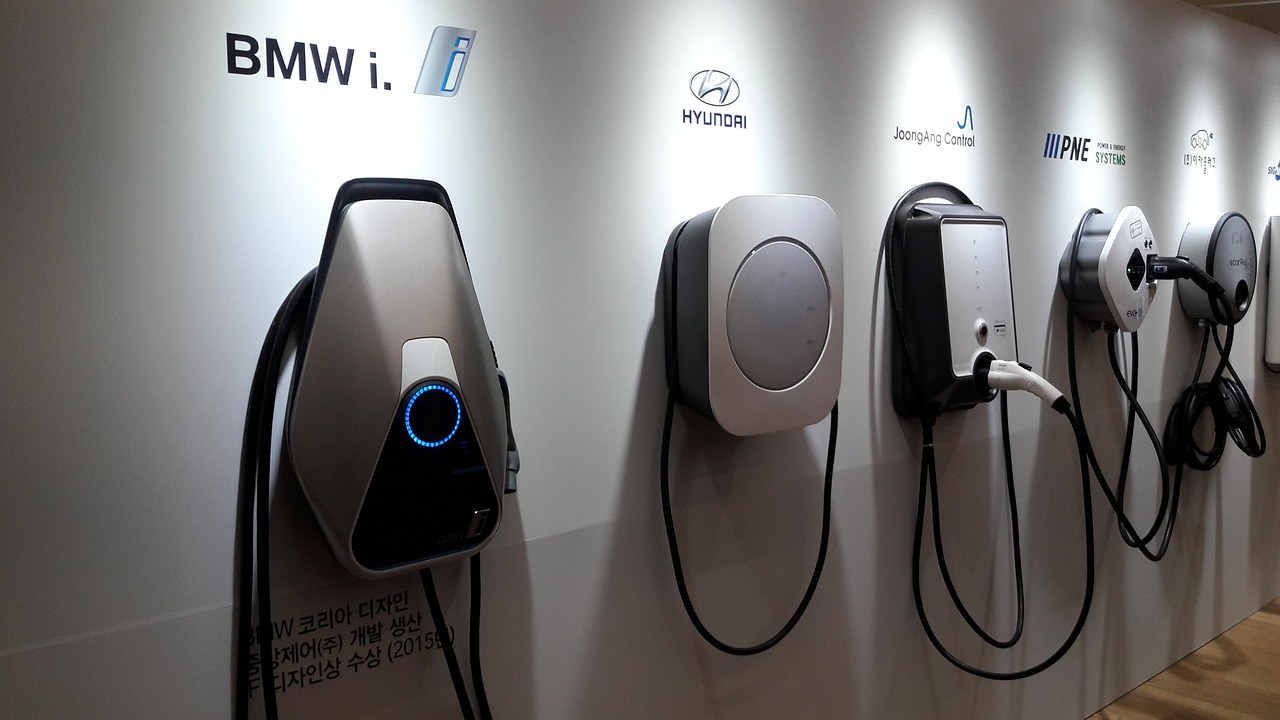
The choice of charging equipment depends on various factors, including budget, expected usage patterns, and technological preferences.
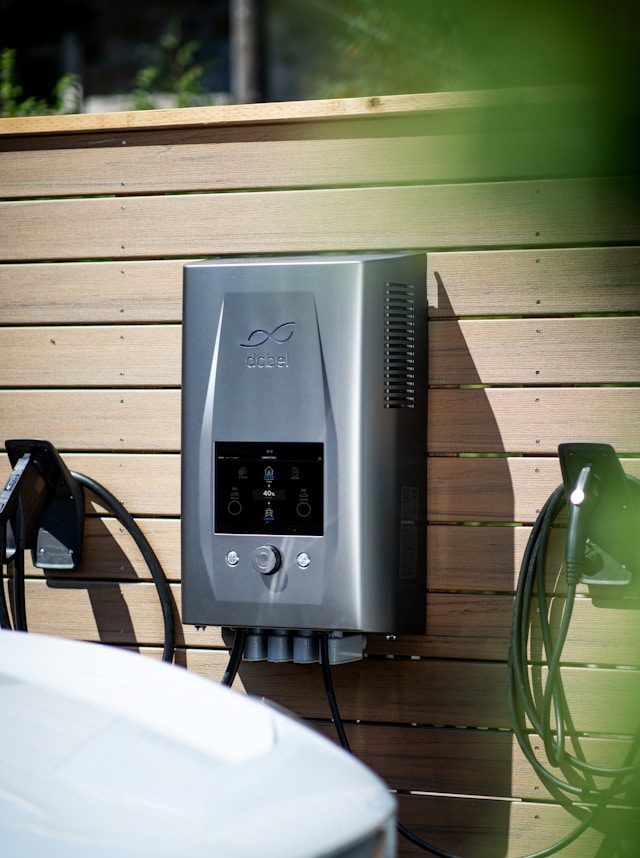
- Level 1 vs. Level 2 Chargers: Level 1 chargers are more affordable but slower, while Level 2 chargers offer faster charging speeds, which might be necessary for workplace settings.
- Smart Charging Features: Consider chargers with smart features such as user authentication, energy management, and remote monitoring capabilities.
Installation Logistics
The logistics of installing the chargers involve detailed planning and coordination.
- Selecting Contractors: Hire experienced contractors familiar with EV charger installations to ensure compliance with local regulations and standards.
- Permitting: Work with local authorities to secure necessary permits before beginning installation.
Operational Considerations
After installation, focus shifts to operation and maintenance of the charging stations. Effective management ensures longevity and reliability of the infrastructure.
User Management
An efficient user management system is vital for smooth operations. Consider implementing a reservation system or an access card mechanism for employees.
- User Access: Decide if access will be restricted to employees only or extended to visitors as well.
- Fee Structure: Determine if charging will be free or if a fee will be charged to cover electricity costs and maintenance.
Maintenance and Support
Regular maintenance is crucial to prevent downtime and extend the life of the chargers. Create a maintenance schedule with your equipment supplier.
- Routine Inspections: Regularly inspect chargers for wear and tear and ensure they are operating correctly.
- Technical Support: Establish a support line with your supplier for quick resolution of any issues that arise.
Case Study: TechCorp's EV Charging Implementation
A leading example of successful workplace charging installation is TechCorp, a mid-sized tech company based in San Francisco. Faced with increasing demand from their workforce, TechCorp decided to implement a comprehensive EV charging solution in their parking facilities.
The Planning Phase
Their project began with an extensive site evaluation carried out by a consulting firm specializing in sustainable infrastructure. They discovered that while their main electrical service was adequate, it required a minor upgrade to accommodate future expansions.
The Installation
TechCorp chose Level 2 chargers equipped with smart features that allowed employees to reserve charging slots via an app. The installation was completed over a six-week period without significant disruption to their operations.
The Outcome
The new charging stations not only met current demand but also attracted positive attention from prospective employees and clients alike, cementing TechCorp's reputation as an innovative and eco-friendly employer.
Conclusion
Implementing EV charging at workplaces is not just about meeting current needs; it's about future-proofing your business for the coming shift in how we think about transportation. By following a structured approach—beginning with site assessment and ending with a robust operational plan—businesses can successfully navigate this transition. As more companies step up to support green initiatives, workplace EV charging becomes an integral part of corporate responsibility strategies.