Assessing How Charging Levels Affect EV Longevity and Performance
The Importance of Charging in Electric Vehicles
Charging is a fundamental aspect of electric vehicle (EV) ownership, directly affecting both convenience and vehicle performance. Among the various charging options, Level 2 and DC fast charging stand out as two of the most widely used methods. Understanding their differences is crucial not just for daily usability but also for long-term battery health and overall vehicle longevity.
Level 2 Charging: The Steady Choice
What is Level 2 Charging?
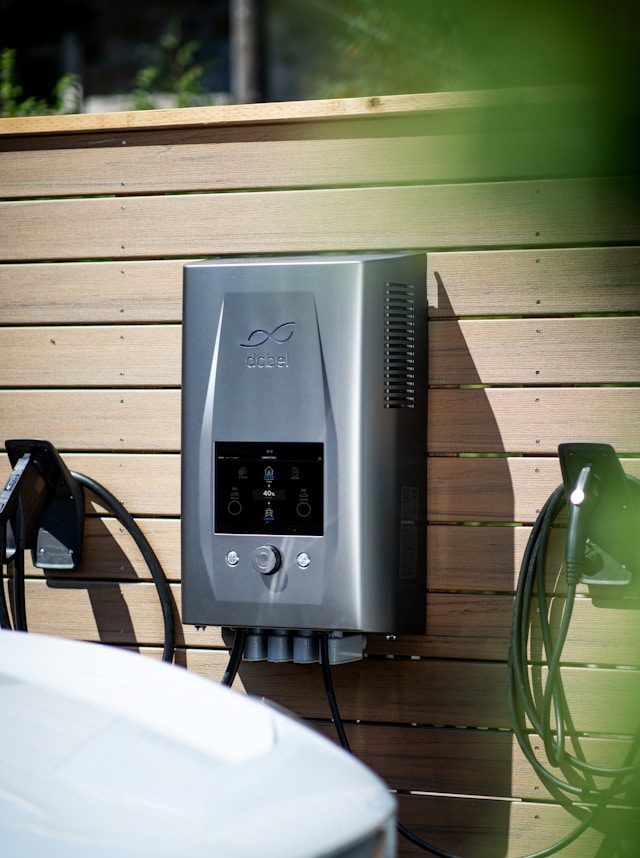
Level 2 charging refers to using a 240-volt AC charger, similar to the voltage used by home appliances such as electric stoves and dryers. It's commonly installed in residential settings or public parking spaces where vehicles can be left to charge for longer periods.
Advantages of Level 2 Charging
- Longer Battery Life: Level 2 charging is typically gentler on the battery compared to faster charging options, which can translate to less heat generation and consequently a longer battery lifespan.
- Cost-Effective: While installation costs can vary, using Level 2 charging at home generally results in lower per-mile energy costs compared to public charging stations.
- Convenience: With overnight charging, an EV can be fully charged by morning, making it an ideal solution for daily commuting needs.
Drawbacks of Level 2 Charging
- Slower Charging Times: Depending on the battery size and current state of charge, a full charge can take several hours, which may not be practical for all users.
- Infrastructure Requirement: Installing a Level 2 charger at home requires specific electrical work, which might not be feasible for renters or those living in apartments without dedicated parking spaces.
DC Fast Charging: Speed with Caveats
Understanding DC Fast Charging
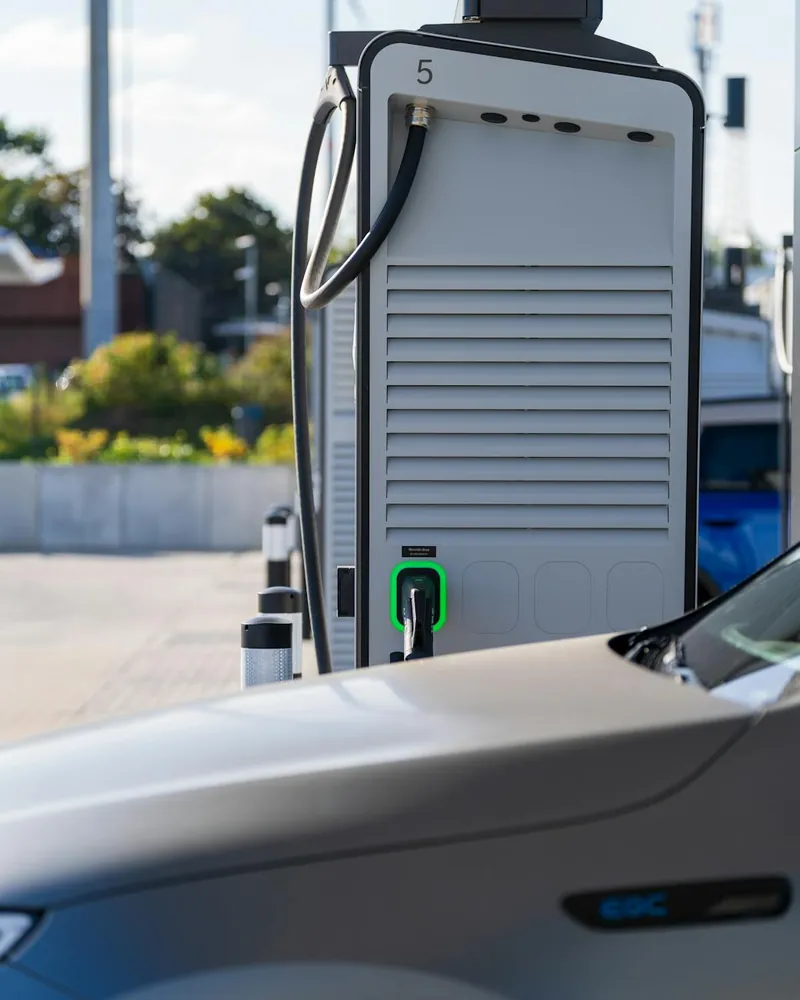
DC fast chargers operate at much higher power levels, typically between 50 kW and 350 kW, allowing an EV to charge from empty to around 80% in approximately 30 minutes. These chargers are often found along highways and in urban centers.
Benefits of DC Fast Charging
- Speed: The most significant advantage is the rapid charging time, making it an excellent choice for long-distance travel or when quick top-ups are necessary.
- Accessibility: As infrastructure improves, fast chargers are becoming increasingly available, enabling greater flexibility in travel planning.
Challenges with DC Fast Charging
- Battery Degradation: Frequent use of fast chargers can accelerate battery degradation due to increased heat and more demanding cycles.
- Higher Costs: Fast charging often comes at a premium, leading to higher operational costs compared to slower home charging options.
The Impact of Charging Choices on Battery Health
The way an EV battery is charged significantly impacts its overall health and longevity. Heat is one of the primary factors that contribute to battery wear, and fast charging generates more heat than slower methods. Additionally, deeper discharges followed by fast recharges can stress the battery chemistry, potentially reducing its life span.
A balanced approach combining mostly Level 2 charging with occasional fast charges when necessary can help preserve battery health while providing flexibility.
Practical Tips for EV Owners
- Diversify Charging Habits: Try to use Level 2 charging as your primary method. Reserve DC fast charging for when you're on long trips or in need of a quick top-up.
- Avoid Extreme State-of-Charge: Keeping the battery level between 20% and 80% can minimize stress and prolong battery life.
- Monitor Battery Temperature: If your vehicle or charger app provides temperature data, try to avoid charging when the battery is already hot, such as immediately after a long drive.
The Future of Charging Technology
The landscape of EV charging is continuously evolving. Innovations like ultra-fast charging networks and solid-state batteries promise to mitigate some drawbacks associated with current fast-charging technologies. However, until these technologies become mainstream, understanding the implications of each charging type remains crucial for making informed decisions about vehicle maintenance and usage.
In conclusion, both Level 2 and DC fast charging have their places in an EV owner's toolkit. Choosing the right option depends on your lifestyle, travel needs, and priorities regarding battery longevity and cost. By strategically leveraging both methods, you can enjoy the benefits of electric driving while maintaining the health of your vehicle's battery over time.