Checklist for Implementing EV Charging Solutions in Shared Spaces
Understanding the Need for EV Charging Stations in Shared Spaces
As electric vehicles (EVs) become more prevalent, the demand for accessible charging solutions grows, especially in shared spaces like apartment complexes. Residents of these complexes often face challenges such as limited access to personal charging stations. Implementing shared EV charging solutions can significantly enhance the living experience and property value. This article outlines a comprehensive checklist to guide you through the installation process, ensuring a smooth transition to an EV-friendly community.
Assessing Power Supply and Infrastructure
Before diving into the installation of EV charging stations, it’s crucial to assess the existing power infrastructure:
- Conduct a Load Analysis: Determine the available electrical capacity of your building. This involves evaluating current electrical loads and calculating additional loads from potential EV chargers.
- Upgrade Electrical Panels: In some cases, upgrading the electrical panel may be necessary to support additional load requirements. Consult with a licensed electrician to evaluate if upgrades are needed.
- Consider Future Expansion: Plan for scalability. As the number of EVs increases, ensure that your infrastructure can accommodate additional chargers without significant modifications.
Case Study: Successful Implementation at Green Acres Apartments
At Green Acres Apartments, a load analysis revealed that the existing electrical system could support five Level 2 chargers. The management decided to upgrade their system, allowing up to ten additional chargers in the future, demonstrating proactive planning for increased demand.
Engaging Stakeholders and Securing Approvals
Installing EV charging stations in a shared space requires buy-in from various stakeholders:
- Board Approval: Present the proposal to the homeowners association or board of directors. Highlight benefits like increased property value and environmental impact.
- Tenant Agreements: Develop clear agreements outlining usage policies, maintenance responsibilities, and cost-sharing mechanisms if applicable.
- Local Authorities: Engage with local government bodies to ensure compliance with regulations and explore potential incentives or rebates.
Practical Tip: Building Consensus
Host informational sessions to address concerns and highlight the benefits of EV charging stations. Provide data on usage patterns and environmental benefits to foster understanding and support.
Selecting the Right Charging Technology
The choice of charging technology depends on your building’s needs and budget:
- Level 1 Chargers: These are more affordable but offer slower charging speeds. They might be suitable for residents who can charge overnight.
- Level 2 Chargers: These provide faster charging times and are ideal for residents needing quicker turnaround.
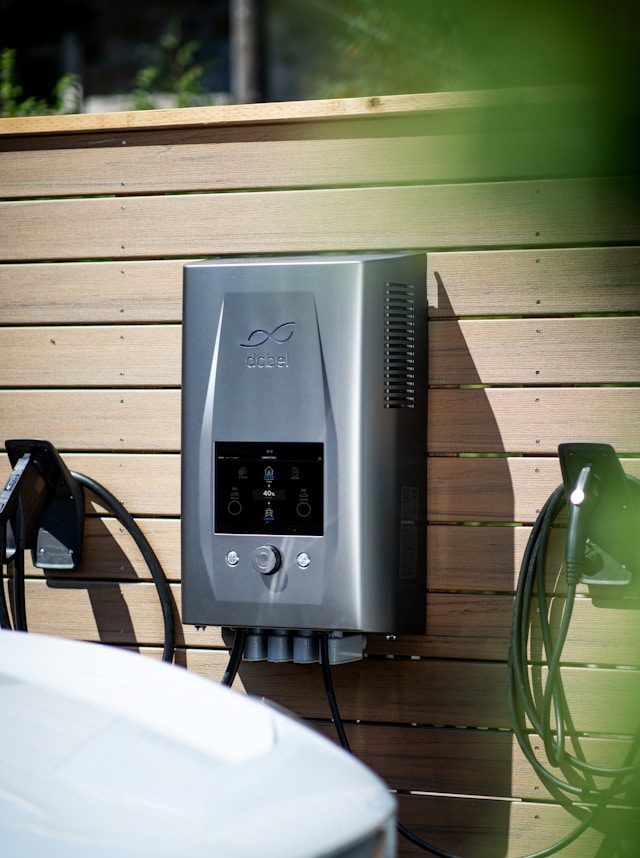
Consider smart chargers equipped with software that can manage multiple users, track energy usage, and even bill users directly.
Example: Efficient Use of Level 2 Chargers
The Villa Park Apartments opted for Level 2 chargers with smart management systems, enabling them to offer efficient charging schedules while minimizing energy costs.
Installation Process and Best Practices
The actual installation involves several key steps:
- Selecting a Certified Installer: Hire professionals with experience in EV charger installations who can navigate complex wiring and safety regulations.
- Site Preparation: Ensure there is adequate space for installation and parking. Consider visibility and accessibility for all residents.
- Compliance and Safety Standards: Adhere to national and local electrical codes. Regular inspections should be conducted post-installation to ensure safety standards are met.
Pro Tip: Regular Maintenance Schedule
Create a maintenance plan to ensure chargers remain functional and safe. Regular checks can prevent downtime and extend the lifespan of your equipment.
Cost Management and Financial Incentives
The financial aspect is crucial in implementing EV charging solutions:
- Cost Sharing Models: Explore different models like user fees or incorporating costs into monthly rent.
- Government Incentives: Many local governments offer tax incentives, rebates, or grants for installing EV infrastructure. Research available programs in your area.
Resource: Incentive Program Finder
The Department of Energy's website offers a comprehensive tool to find state-specific incentives. Utilize this resource to maximize potential savings.
A Framework for Successful Implementation
This mini-framework provides a streamlined approach to implementing EV charging solutions in shared spaces:
- Assess Needs: Analyze resident demographics and potential EV adoption rates.
- Evaluate Infrastructure: Conduct a thorough examination of existing electrical systems and plan upgrades if necessary.
- Secure Stakeholder Buy-in: Communicate effectively with stakeholders to gain approval and address concerns.
- Select Appropriate Technology: Choose charging technology that aligns with your community’s needs.
- Implement Cost Strategies: Develop sustainable financial models and leverage available incentives.
This framework, when tailored to your specific circumstances, can greatly enhance the successful implementation of EV charging solutions in shared spaces, paving the way towards a greener future.