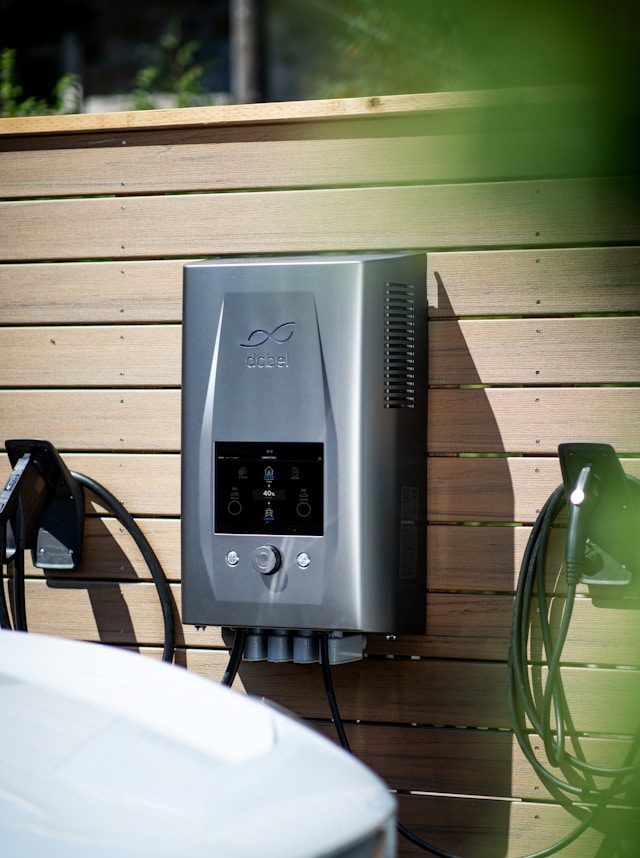
Convenience Factors: How Battery Swapping Stacks Up Against Conventional Charging
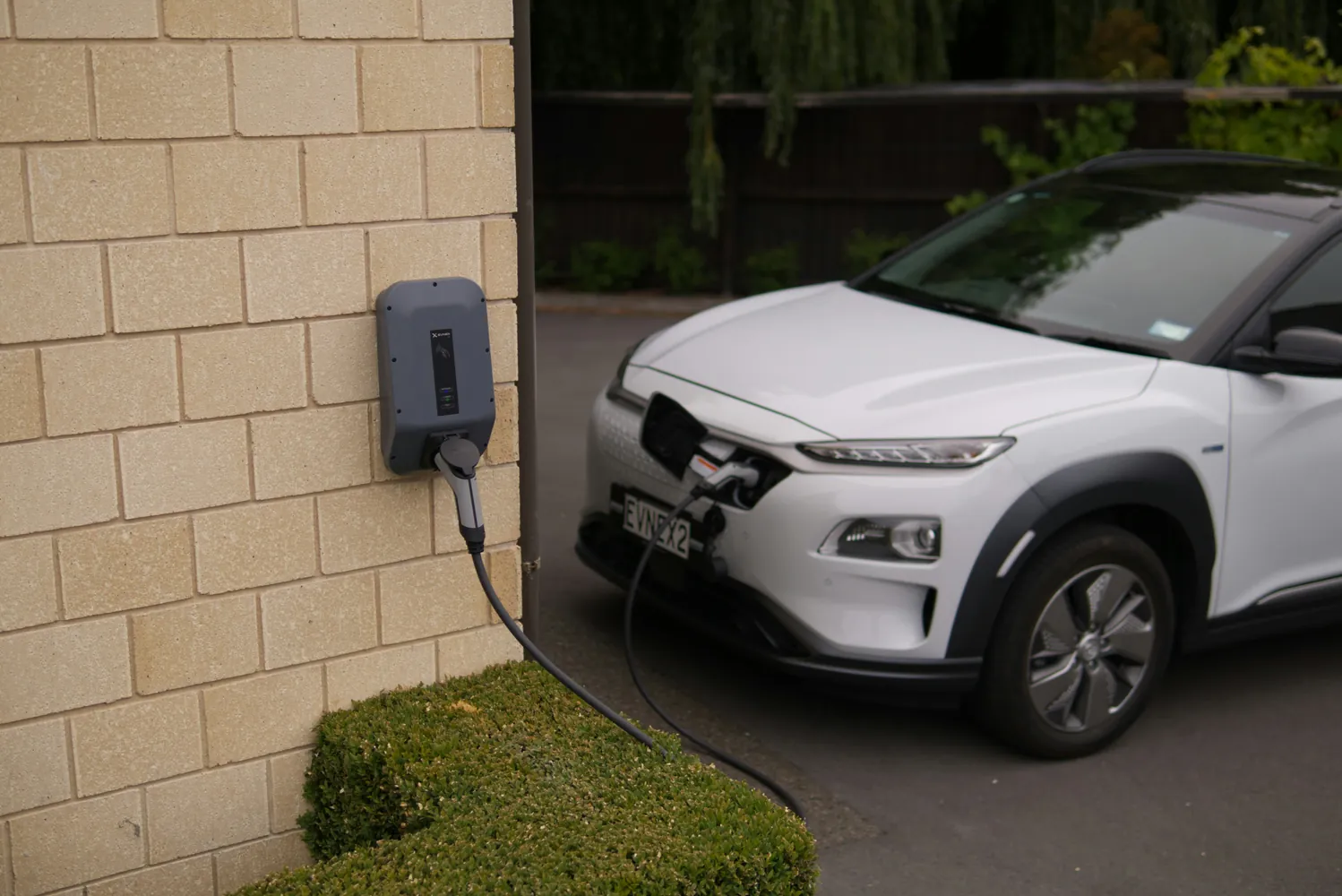
Understanding the Evolution of Electric Vehicle Charging
The adoption of electric vehicles (EVs) is accelerating, driven by the need for sustainable transportation solutions. As more drivers transition from conventional fuel vehicles to EVs, the convenience of charging becomes a critical factor. Two primary methods of recharging electric vehicles have emerged: conventional charging and battery swapping. Each has its unique advantages and challenges, impacting user experience, infrastructure development, and overall cost-effectiveness.
Conventional Charging: A Deep Dive
Conventional charging stations are commonly categorized into three levels: Level 1, Level 2, and DC Fast Charging. These levels vary primarily in terms of speed and voltage requirements:
- Level 1 Charging: Utilizes a standard household outlet, delivering around 2 to 5 miles of range per hour of charge. Ideal for overnight home charging.
- Level 2 Charging: Requires a dedicated 240-volt outlet, typically found in public charging stations and capable of adding approximately 10 to 20 miles of range per hour.
- DC Fast Charging: Significantly faster, capable of recharging an EV battery to 80% in about 30 minutes, although not all EVs are compatible with this type of charging.
Conventional charging infrastructure is expanding globally, with networks like Tesla Supercharger and ChargePoint leading the charge in providing accessible charging solutions.
The Rise of Battery Swapping Technology
Battery swapping, while not as widespread, presents a compelling alternative. This process involves replacing a depleted battery with a fully charged one at designated swapping stations. Key players like NIO in China are pioneering this technology. The process typically takes only a few minutes, similar to refueling a traditional car.
Concrete Example: NIO has established over 500 battery swapping stations across China. In urban areas like Shanghai and Beijing, swapping stations can be found within a short distance, catering primarily to city dwellers who may lack convenient access to home charging solutions.
Comparing Convenience: Battery Swapping vs. Conventional Charging
Speed and Efficiency
Battery Swapping: The speed of battery swapping is unparalleled, with the actual swap taking less than five minutes. This offers a distinct advantage over even DC fast charging, especially for drivers in a hurry or fleets operating on tight schedules.
Conventional Charging: While fast chargers are becoming more prevalent, they still require significantly more time than a swap. The convenience is highly dependent on the availability and proximity of charging stations along travel routes.
Infrastructure Requirements
Battery Swapping: Building a network of swapping stations demands significant initial investment in terms of equipment and logistics. Each station must store multiple batteries to meet demand effectively. Yet, companies like NIO have shown that with strategic placement and advanced logistical planning, this model can be sustainable.
Conventional Charging: The scalability of conventional charging is relatively straightforward but requires broad geographical coverage. The deployment of additional chargers is essential to keep pace with the growing EV market, necessitating upgrades to electrical grids in many regions.
User Experience
The user experience between these two methods varies greatly:
- Battery Swapping: Provides an experience akin to traditional refueling, minimizing downtime for drivers.
- Conventional Charging: Offers flexibility for overnight home charging or longer stopovers during trips but requires planning around charging availability and times.
Cost Implications and Economic Factors
Initial Costs and Operational Expenses
The financial landscape is critical when considering the adoption of either technology.
Battery Swapping: Involves high initial setup costs for swapping stations and battery stockpile management. However, operational costs can stabilize as systems become more efficient.
Conventional Charging: Typically lower initial costs per station but require continuous expansion and maintenance as EV adoption grows.
Long-term Viability
The long-term economic sustainability of each method depends on technological advancements and user adoption trends.
- Battery Swapping: May offer greater benefits in densely populated areas or for fleets where rapid turnover is necessary.
- Conventional Charging: Benefits from incremental improvements in battery technology, extending range and reducing dependency on rapid charging solutions.
The Future Landscape of EV Refueling
Potential for Coexistence
The future might not see one system overtaking the other entirely; instead, a coexistence that leverages the strengths of both could emerge. Battery swapping could dominate urban centers where space is premium, while conventional charging continues to expand along highways and suburban areas.
Policy and Manufacturer Influence
Government policies and automotive manufacturer strategies will play significant roles in shaping the landscape. Incentives for infrastructure development and technological advancements will be crucial in steering the future direction of EV refueling methods.
Practical Tips for EV Owners
- Consider your driving habits: Long-distance travelers might favor a mix of home charging and fast-charging stations.
- Urban dwellers could benefit from battery swapping if available in their city.
- Stay informed about new technologies: Both charging speeds and battery capacities continue to evolve rapidly.
The choice between battery swapping and conventional charging ultimately comes down to individual needs and circumstances. As the market matures, consumers can expect more tailored solutions that maximize convenience while minimizing cost.