Evaluating Charging Speed and Cost for Electric Vehicle Homeowners
Understanding the Basics of EV Charging
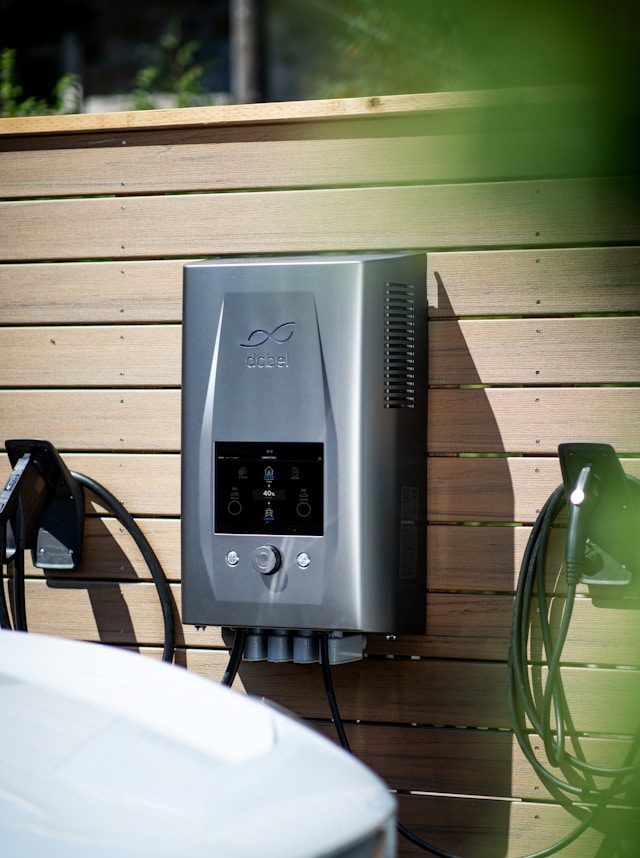
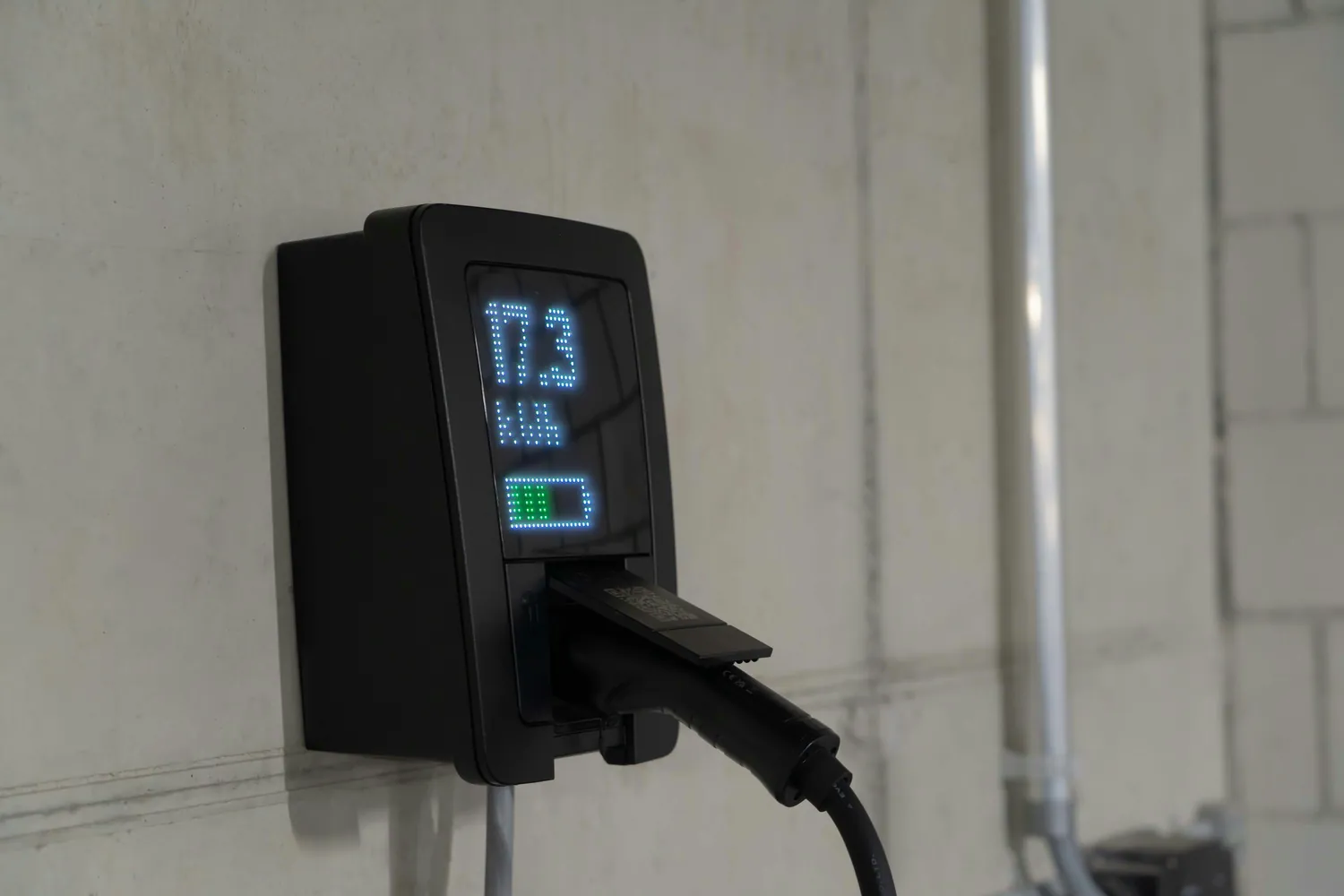
Electric vehicle (EV) charging is an essential aspect of EV ownership, influencing both the convenience and cost of operating these vehicles. With advancements in technology, homeowners now have multiple options to choose from when it comes to setting up a home charging station. Among these, Level 2 chargers and DC fast chargers stand out due to their distinctive features and capabilities.
Level 2 chargers are widely popular among homeowners due to their balance of cost, speed, and installation requirements. On the other hand, DC fast chargers offer rapid charging solutions but come with higher costs and more complex installation processes. Understanding these differences is crucial for making an informed decision that aligns with your driving habits and home infrastructure.
Level 2 Chargers: A Deeper Dive
Installation Requirements and Costs
Level 2 chargers require a 240-volt outlet, similar to those used for large home appliances such as dryers or electric ovens. Most modern homes can accommodate this type of installation without significant electrical upgrades. However, it's essential to ensure your electrical panel can handle the additional load.
The cost of installing a Level 2 charger typically ranges from $500 to $1,200, including the cost of the equipment itself, which can vary between $300 and $800 depending on the brand and features. Hiring a certified electrician to perform the installation is recommended to ensure safety and compliance with local regulations.
Charging Speeds
Level 2 chargers offer a substantial upgrade in speed compared to standard Level 1 chargers. They can deliver around 10 to 60 miles of range per hour of charging, which means a full charge for most EVs can be achieved overnight. This makes them ideal for daily commutes where you can plug in your car each evening and have it ready by morning.
Cost Implications
The operational cost of using a Level 2 charger depends largely on local electricity rates. On average, charging an electric vehicle at home is significantly cheaper than fueling a gasoline vehicle. A typical EV can travel about 100 miles for roughly $3 to $7 in electricity costs, which varies based on your utility provider and time-of-use rates.
DC Fast Chargers: The High-Speed Alternative
Installation Requirements and Costs
Installing a DC fast charger at home is less common due to its complex requirements and high costs. These chargers need a three-phase power supply, which most residential areas do not readily support. Installation often involves significant electrical upgrades, potentially costing tens of thousands of dollars.
The equipment alone can range from $10,000 to $50,000, making it a hefty investment primarily suited for commercial use or specific residential scenarios where rapid charging is essential.
Charging Speeds
DC fast chargers are capable of providing rapid charging speeds, offering up to 80% battery charge in just 30 minutes for many EV models. This capability is particularly useful for long-distance travelers or for those who require quick turnarounds between trips.
Cost Implications
While DC fast chargers provide the advantage of speed, they also incur higher operational costs. The energy demands are significantly higher, leading to increased electricity bills. Moreover, if connected to the grid during peak hours, the costs could rise substantially due to demand charges imposed by utility companies.
Making the Right Choice: Evaluating Your Needs
Assessing Driving Habits
Your choice between a Level 2 charger and a DC fast charger should begin with an evaluation of your driving patterns. If you primarily use your EV for daily commutes and can afford the time for overnight charging, a Level 2 charger may suffice.
Conversely, if your lifestyle involves frequent long-distance travel or irregular driving schedules that require quick charges, investing in access to a nearby public DC fast charger might be more practical than installing one at home.
Infrastructure Considerations
- Electrical Panel Capacity: Ensure your home's electrical panel can support the additional load required by either charging option.
- Space for Installation: Verify that you have adequate space near your parking area for the charger and any necessary electrical upgrades.
Budgeting for Costs
Consider the initial installation costs against your long-term savings on fuel. While a DC fast charger offers unmatched speed, the cost-effectiveness of a Level 2 charger often proves more attractive over time, especially with potential incentives or rebates from local governments or utilities.
Practical Tips for Installation and Use
- Check Incentives: Research local incentives or rebates that could offset installation costs.
- Select Reliable Brands: Choose equipment from reputable manufacturers with strong warranties and customer support.
- Schedule Professional Installation: Hire certified electricians who specialize in EV charger installations to ensure safety and code compliance.
By carefully evaluating your specific needs and the characteristics of each charging option, you can make a strategic decision that optimizes both convenience and cost-efficiency in your electric vehicle ownership experience.