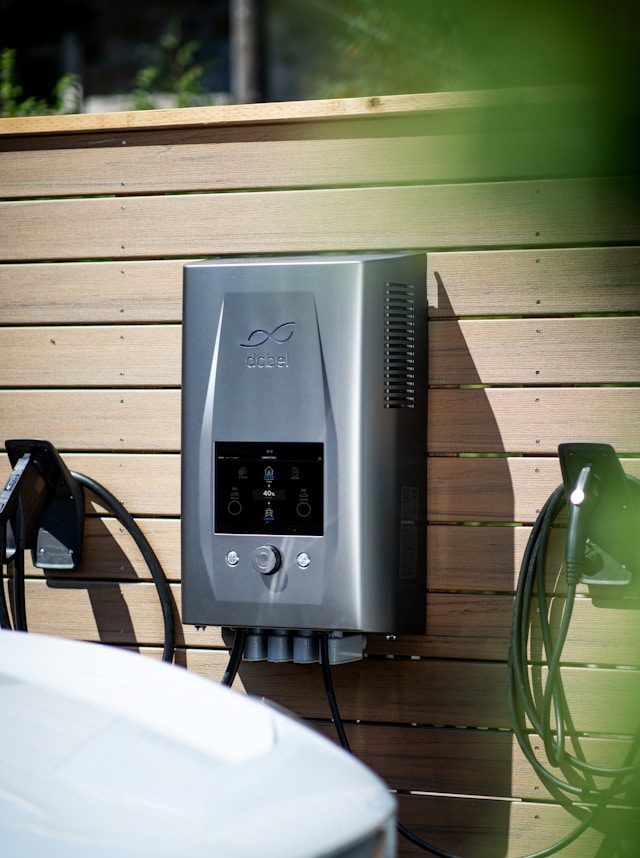
Maximizing Energy Efficiency with Solar and EV Charging Systems
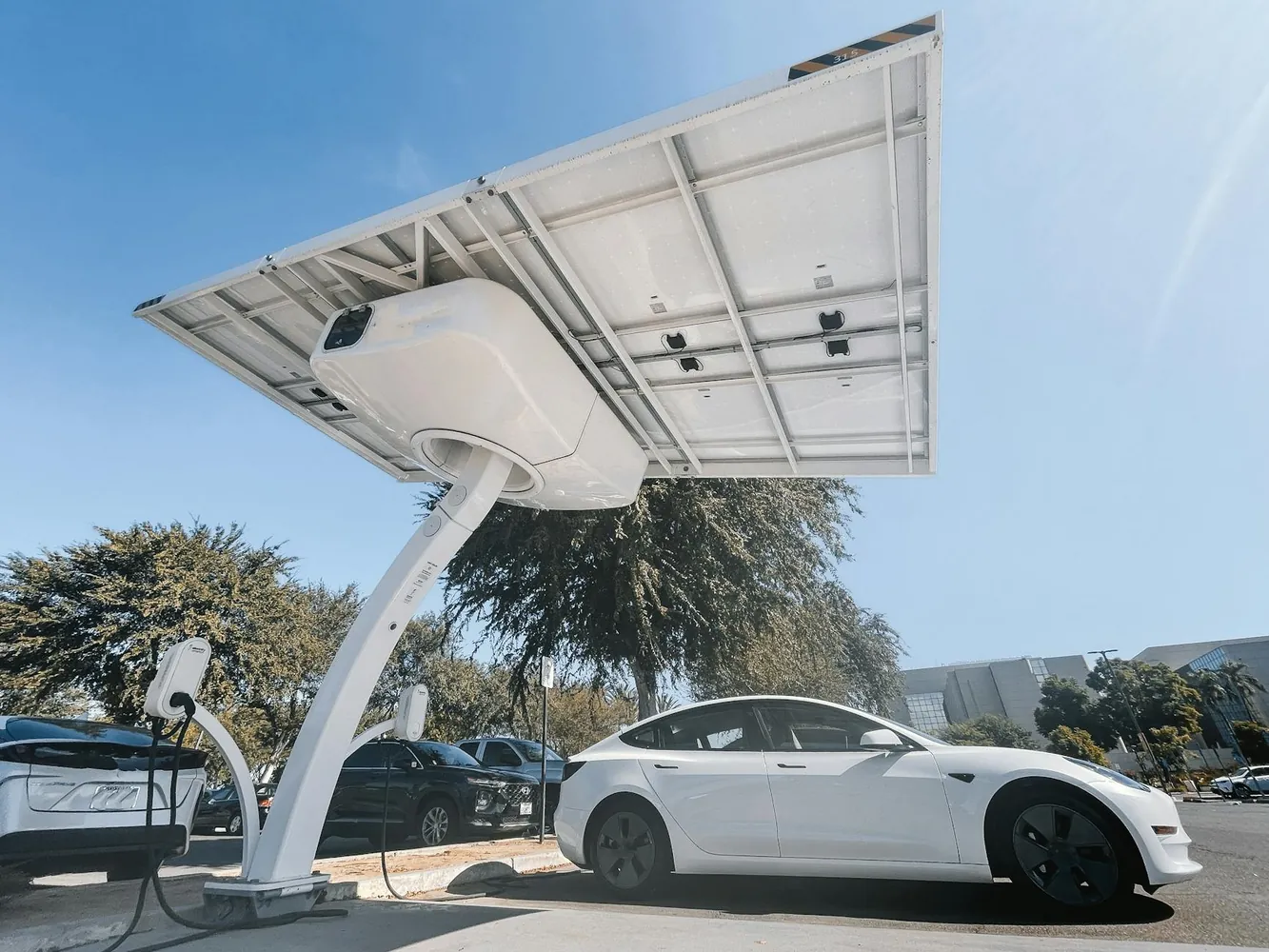
The Synergy Between Solar Panels and Electric Vehicle Charging
As the world transitions to greener energy solutions, combining solar panel installations with electric vehicle (EV) charging systems presents a compelling opportunity for homeowners to maximize energy efficiency. This powerful combination not only reduces electricity bills but also minimizes carbon footprints, contributing positively to environmental conservation efforts.
Integrating these systems requires careful planning and consideration of various factors such as energy needs, compatibility, and installation nuances. This article will walk you through a practical framework to effectively pair solar power with EV charging at home.
Step 1: Assessing Your Energy Needs
The first step in maximizing energy efficiency involves assessing your household's energy consumption patterns. This helps determine the size of the solar system required and the capacity of the EV charger.
- Energy Audit: Start by conducting an energy audit to understand current electricity usage. Consider both daytime and nighttime consumption, and account for any planned increases due to new appliances or lifestyle changes.
- Vehicle Usage: Analyze your EV's daily charging needs based on typical driving distances. Most EVs require between 20 to 60 kWh for a full charge, depending on the model and usage patterns.
Using this data, you can estimate the solar system size that would efficiently power your household and charge your vehicle.
Step 2: Choosing Compatible Systems
Once you have a clear understanding of your energy needs, it's time to select compatible systems. Compatibility ensures that your solar panels can effectively power your EV charger, optimizing both performance and cost-efficiency.
- Solar Panel Selection: Opt for high-efficiency panels that offer the best output per square meter. Monocrystalline panels are popular for their efficiency and longevity.
- Inverter Choice: Ensure that your inverter can handle the additional load of an EV charger. A hybrid inverter may be beneficial as it supports both grid-tied and off-grid operations.
- Charger Type: Select a Level 2 charger for home use. These chargers are faster and more efficient than Level 1 options, providing quicker charging times without overloading your electrical system.
Research brands and models that offer reliable warranties and after-sales support, ensuring long-term serviceability.
Step 3: Installation Tips
The installation process is crucial to the successful integration of solar and EV systems. Here are some key considerations:
- Professional Installation: Hire a certified professional with experience in both solar panel and EV charger installations. This guarantees adherence to safety standards and optimal setup.
- Optimal Panel Placement: Position solar panels to maximize sun exposure, typically on south-facing roofs in the Northern Hemisphere or north-facing roofs in the Southern Hemisphere.
- Charger Location: Install the EV charger close to where you park your car to minimize cable lengths and reduce installation complexity.
A thorough site evaluation can help avoid potential pitfalls such as shading from nearby trees or buildings that could affect solar panel efficiency.
Real-life Scenario: A Family's Journey to Sustainable Living
The Jackson family recently transitioned to an all-electric household in California. By installing a 10 kW solar system coupled with a Level 2 EV charger, they have not only cut their monthly electricity bill by nearly 70% but have also reduced their reliance on fossil fuels.
Their decision was driven by an initial audit that showed a daily consumption of 40 kWh, with their EV requiring an additional 30 kWh weekly for commuting purposes. The couple worked closely with an installation company that offered integrated solutions, ensuring their system was up-and-running smoothly within a month.
Checklist for Successful Integration
- Conduct a comprehensive energy audit.
- Select high-efficiency solar panels and compatible EV chargers.
- Engage experienced professionals for installation.
- Consider future expansion needs for both solar arrays and charging stations.
Conclusion: A Sustainable Future
The convergence of solar power and electric vehicle technology marks a significant milestone in sustainable living. By carefully planning and executing the integration of these systems, homeowners can not only achieve substantial savings but also contribute meaningfully to reducing environmental impact.
As more people adopt this synergy, we edge closer to a future where clean energy becomes the norm, paving the way for subsequent innovations in renewable energy technologies.