
The Future of Urban Transport: Electric Vehicles and Car Sharing Innovations
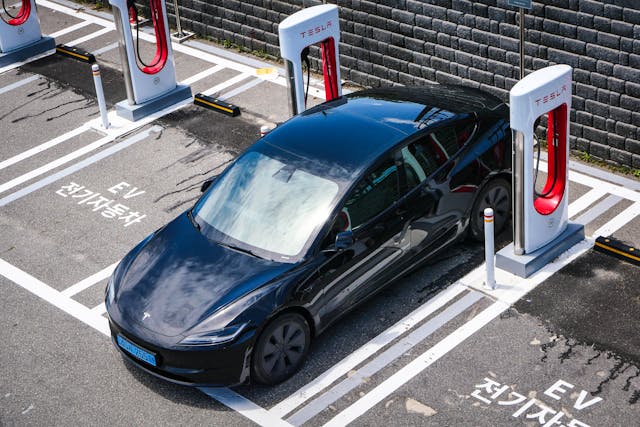
The Rise of Electric Vehicle Car Sharing
Electric vehicles (EVs) have become synonymous with sustainable urban transport. As cities grow denser, the need for efficient, eco-friendly transport solutions has never been more critical. Electric vehicle car sharing is a transformative model reshaping how we think about urban mobility. This system not only reduces the number of vehicles on the road but also encourages the use of cleaner energy.
Case Study: San Francisco's Bold EV Initiatives
San Francisco has long been at the forefront of integrating green technologies into its infrastructure. The city launched its first fully electric car-sharing service, Go Electric, in 2018. The initiative, backed by local government and private investors, focuses on seamless integration with public transport.
Integration Strategies
Key to the success in San Francisco has been the strategic placement of charging stations and vehicle pick-up points. These are located close to major transit hubs, ensuring easy access for commuters who wish to switch from public transit to a car-share vehicle for the last mile of their journey.
- Partnerships with local businesses to offer discounted charging.
- Mobile apps that synchronize with public transport schedules.
- Real-time availability tracking through integrated platforms.
This approach not only optimizes resource usage but also enhances convenience, driving higher adoption rates.
Amsterdam: A Blueprint for Urban Mobility
Across the Atlantic, Amsterdam offers another compelling example of successful EV car-sharing integration. The city’s Electric Amsterdam initiative provides an expansive network of over 2,500 shared electric vehicles.
Municipal Support and Infrastructure
The municipality supports this initiative by subsidizing charging infrastructure development and reducing taxes on EVs used for car-sharing. Amsterdam also incentivizes businesses to incorporate electric car shares into their operations.
- Exclusive parking permits for electric car-sharing vehicles.
- Infrastructure grants for fast-charging stations.
- Regulatory support for integrating EVs with existing bike-sharing schemes.
This holistic approach has positioned Amsterdam as a leader in sustainable urban transport innovation.
The Role of Technology in Enhancing User Experience
Technological advancements play a crucial role in making EV car-sharing services more user-friendly and efficient. Apps that facilitate easy booking, offer real-time updates, and integrate payments are essential components of modern car-sharing models.
Essential Features for Success
To ensure user satisfaction and operational efficiency, technology platforms must include:
- User-friendly interfaces for seamless booking and payment processing.
- Integration with navigation systems for route optimization.
- Real-time data analytics to monitor vehicle health and predict maintenance needs.
This technological backbone is crucial in managing fleets efficiently and providing a reliable service to users.
Environmental and Economic Benefits
The environmental impact of EV car sharing is significant. By promoting a shift from private vehicle ownership to shared mobility services, cities can reduce congestion and lower carbon emissions. Moreover, electric vehicles contribute less to air pollution compared to their internal combustion engine counterparts.
Economic Impacts
Apart from environmental benefits, there are notable economic advantages:
- Lower costs associated with fuel and maintenance for users.
- Reduced infrastructure expenses due to shared vehicle usage.
- Job creation in tech development and fleet management sectors.
These benefits combine to make EV car sharing an attractive proposition for urban planners and businesses alike.
Challenges and Considerations
Despite its many advantages, the transition to electric vehicle car sharing is not without challenges. Infrastructure development, initial investment costs, and public acceptance are significant hurdles that need addressing.
Tackling Infrastructure Gaps
To address these challenges, cities must invest in expanding charging infrastructure and creating policies that encourage the adoption of EVs. Collaborative efforts between governments, private sector players, and citizens will be crucial to overcome these obstacles.
- Development of widespread, accessible charging stations.
- Policy frameworks that support innovation in shared mobility services.
- Public awareness campaigns highlighting the benefits of shared electric transport.
The road ahead requires strategic thinking and cooperation across multiple sectors.
A Framework for Implementing Electric Vehicle Car Sharing
The success seen in cities like San Francisco and Amsterdam offers a replicable framework that can be adapted by other urban areas:
- Initial Assessment: Evaluate existing public transport systems and identify areas where EV car sharing could enhance connectivity.
- Stakeholder Engagement: Involve local businesses, government agencies, and community organizations in planning discussions.
- Pilot Programs: Launch pilot initiatives to test the feasibility of electric car-sharing services in specific areas before broader implementation.
- Infrastructure Development: Invest in building a robust network of charging stations and integrate them into existing transport hubs.
- User Experience Optimization: Develop intuitive mobile platforms that streamline booking, payment, and vehicle access processes.
This framework provides a structured approach to harnessing the potential of electric vehicle car-sharing models effectively.