Understanding the Cost Trade-offs of EV Charging Options
Exploring Level 2 and DC Fast Charging: What You Need to Know
The rise of electric vehicles (EVs) brings forth a crucial question for new and prospective owners: how do you efficiently and cost-effectively charge your vehicle? Two prominent options are Level 2 charging and DC Fast Charging. Understanding the cost implications, benefits, and drawbacks of each can help you make an informed decision suited to your driving needs.
Understanding the Basics: Charging Levels Explained
Level 2 Charging
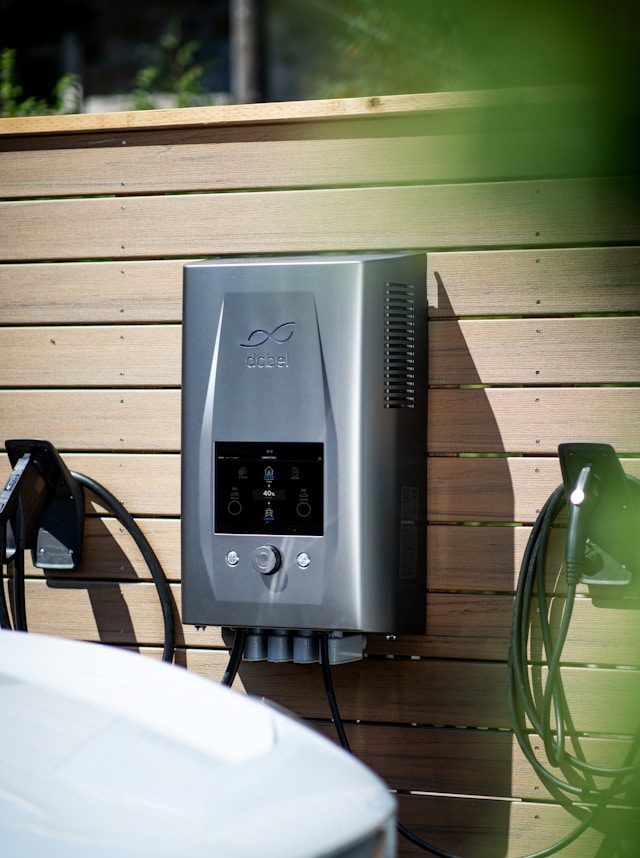
Level 2 charging is one of the most common methods for charging at home or public stations. It uses a 240-volt power supply, similar to the outlet used for large appliances like dryers. This type of charging is significantly faster than Level 1, which relies on standard household outlets.
On average, a Level 2 charger can replenish about 20 to 30 miles of range per hour, making it ideal for overnight charging or during work hours. The installation cost for a Level 2 home charger can range from $500 to $2,000, depending on the electrical work required.
DC Fast Charging
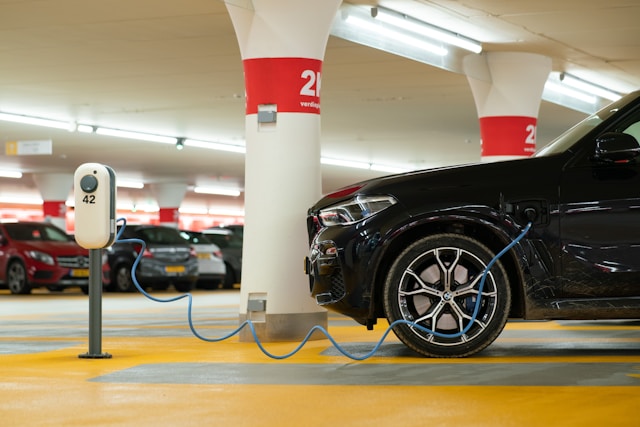
DC Fast Chargers (DCFC) provide rapid charging by converting AC power to DC within the station itself, delivering it directly to the car's battery. This method uses a high-voltage direct current (up to 480 volts) that can add 60 to 80 miles of range in just 20 minutes.
The convenience of DC fast charging comes with higher costs. The infrastructure required is complex and expensive, with individual chargers costing between $10,000 and $40,000, which is typically reflected in the pricing model at public stations.
Cost Implications: A Deeper Dive
Home vs. Public Charging Costs
The cost differences between home and public charging can significantly impact an EV owner’s budget. Level 2 home charging typically costs around $0.10 to $0.20 per kWh, translating to approximately $5 to $10 for a full charge, depending on your vehicle’s battery size and local electricity rates.
Conversely, public DC fast chargers often employ time-based billing or charge per kWh. This can result in prices as high as $0.35 to $0.50 per kWh, leading to costs of $15 to $30 for a quick top-up.
Infrastructure Investments
The upfront investment in home Level 2 charging infrastructure can be amortized over several years of ownership. Public DC fast charging infrastructure demands substantial financial input, primarily due to installation complexities and equipment costs, which are reflected in the higher consumer prices.
Usage Scenarios: When Each Option Makes Sense
When Level 2 Charging Shines
- Daily Commuters: Those who drive moderate distances daily benefit greatly from overnight Level 2 charging, ensuring their vehicle is ready each morning at minimal cost.
- Residential Access: Homeowners can install personal Level 2 chargers, allowing for convenient, cost-effective charging without relying on external infrastructure.
When DC Fast Charging is Optimal
- Long-Distance Travelers: For those undertaking long road trips, access to DCFC is invaluable for quick recharges along highways.
- Fleet Operators: Businesses with EV fleets can utilize DC fast charging to minimize downtime between shifts or deliveries.
The Trade-offs: Speed Versus Cost
The primary trade-off between Level 2 and DC Fast Charging lies in speed versus cost. While DC fast charging offers unparalleled speed, its higher operational cost makes it less appealing for routine use unless quick turnaround times are essential.
Additionally, repeated exposure to high-powered DC fast charging may marginally degrade battery health over time compared to slower Level 2 charging. Therefore, balancing frequency of use with necessity is key.
Infrastructure Availability and Its Impact
The Expansion Challenge
The growth of EV adoption necessitates the expansion of both Level 2 and DC fast charging infrastructures. While cities have made significant progress in establishing public charging networks, rural areas often lag behind, limiting convenient access to fast chargers for rural residents.
The Role of Incentives
Government incentives play a crucial role in this expansion. Many states offer rebates and grants for installing home chargers or investing in commercial DC fast charger installations. Researching available programs in your area can significantly offset initial setup costs.
Practical Tips for EV Owners
- Analyze Your Driving Patterns: Consider your daily travel distance and frequency of long trips when deciding on the most suitable charging option.
- Consider Battery Health: Use Level 2 charging as the default option for preserving battery longevity unless rapid recharging is needed.
- Explore Incentive Programs: Investigate federal, state, or local incentives that could reduce the cost burden of installing charging infrastructure.
Conclusion: Making an Informed Choice
Navigating the landscape of EV charging options involves understanding both the immediate financial impacts and the long-term implications on vehicle use and maintenance. By weighing the benefits and drawbacks of Level 2 and DC Fast Charging, you can choose a strategy that aligns with your driving habits and economic priorities. Ultimately, informed decisions will enhance the overall experience of owning an electric vehicle while maximizing its cost-effectiveness.