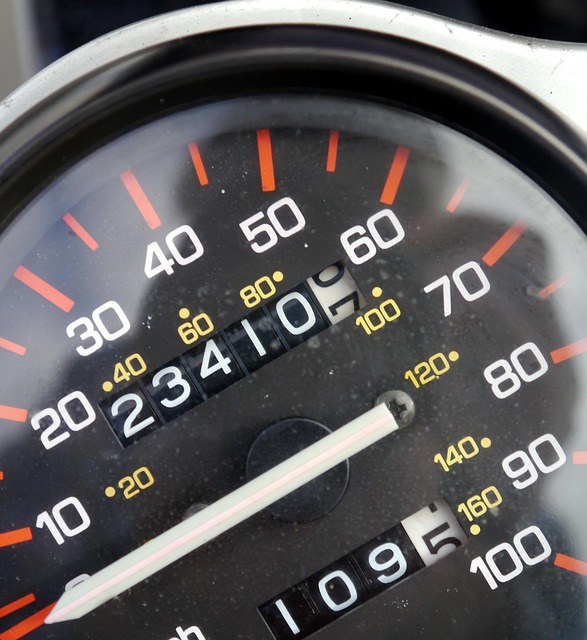
evaluating the longevity of all-season versus performance tires in daily use

The Differences Between All-Season and Performance Tires
When selecting tires for your vehicle, two popular options are all-season and performance tires. Both types cater to different driving needs and conditions. Understanding their characteristics will help you make an informed decision based on your driving habits and expectations.
All-Season Tires: The Jack-of-All-Trades
All-season tires are designed to provide a balance of capabilities. They offer a reasonable level of performance in wet and dry conditions, and even in light winter weather. This makes them an attractive choice for drivers who experience a variety of weather conditions but do not need specialized tires for extreme conditions.
- Versatility: All-season tires are engineered to perform adequately in different driving scenarios, making them ideal for drivers who prefer convenience over specialization.
- Longevity: Due to their harder rubber compounds, all-season tires generally have a longer tread life compared to performance tires.
- Cost-Effectiveness: They are typically more affordable upfront and due to their longer lifespan, reducing long-term tire replacement costs.
Performance Tires: The Enthusiast's Choice
Performance tires are designed with a focus on providing superior handling, speed, and agility. These tires are often used by sports car enthusiasts who prioritize grip and responsiveness over other features.
- Enhanced Grip: Performance tires use softer rubber compounds, which offer improved traction and handling, especially at high speeds.
- Responsive Handling: With stiffer sidewalls, these tires provide a more direct connection between the driver and the road, enhancing driving pleasure on curvy roads or during spirited drives.
- Shorter Lifespan: The trade-off for the enhanced performance is typically a shorter tread life, as the soft rubber wears out more quickly.
Assessing Longevity in Daily Use
The longevity of both all-season and performance tires can vary significantly based on several factors. Let's explore how each type fares under typical daily driving conditions.
Driving Environment and Conditions
Your geographic location plays a crucial role in tire wear. For instance, drivers in urban areas may experience faster tire wear due to frequent stopping and starting, whereas highway driving often results in more even wear patterns.
- Urban Areas: Constant stop-and-go traffic can accelerate tire wear due to higher temperatures from braking friction.
- Rural Areas: Rough or unpaved roads can lead to uneven wear or damage more quickly than smooth surfaces.
Driving Habits and Maintenance
Driving style and regular maintenance can greatly influence tire lifespan. Aggressive driving with rapid acceleration and harsh braking wears down tires faster. On the other hand, consistent tire maintenance such as regular rotations, balancing, and alignment checks can extend tire life.
The Trade-Offs: Handling vs. Longevity vs. Ride Quality
Choosing between all-season and performance tires involves trade-offs among handling, longevity, and ride quality. Your choice should align with your personal preferences and driving priorities.
Scenario 1: The Daily Commuter
If you're primarily using your vehicle for daily commutes through city streets or highways, all-season tires might be more suitable. They offer adequate handling and comfort without compromising longevity.
Scenario 2: The Weekend Warrior
If you enjoy weekend drives through winding roads or occasional track days, performance tires can significantly enhance your driving experience by offering superior grip and precision at the cost of faster wear and increased noise levels.
Scenario 3: The All-Year Adventurer
If you live in a region that experiences mild winters and varying seasonal weather, all-season tires provide the flexibility to tackle diverse conditions without requiring seasonal tire changes.
A Practical Guide to Maximizing Tire Life
Regardless of your choice between all-season or performance tires, following some best practices can help extend their lifespan:
- Regular Inspections: Check your tires monthly for tread depth, air pressure, and signs of damage.
- Tire Rotations: Rotate your tires every 5,000 to 8,000 miles to ensure even wear patterns.
- Proper Inflation: Maintain correct tire pressure as per the manufacturer's recommendation to avoid premature wear.
Understanding the key differences between all-season and performance tires, along with considering your driving habits and environment, will guide you in making the best tire choice for your vehicle's needs. Ultimately, the right tire is one that complements your lifestyle while ensuring safety and efficiency on the road.