
how reading tire sidewall data can prevent costly purchasing mistakes
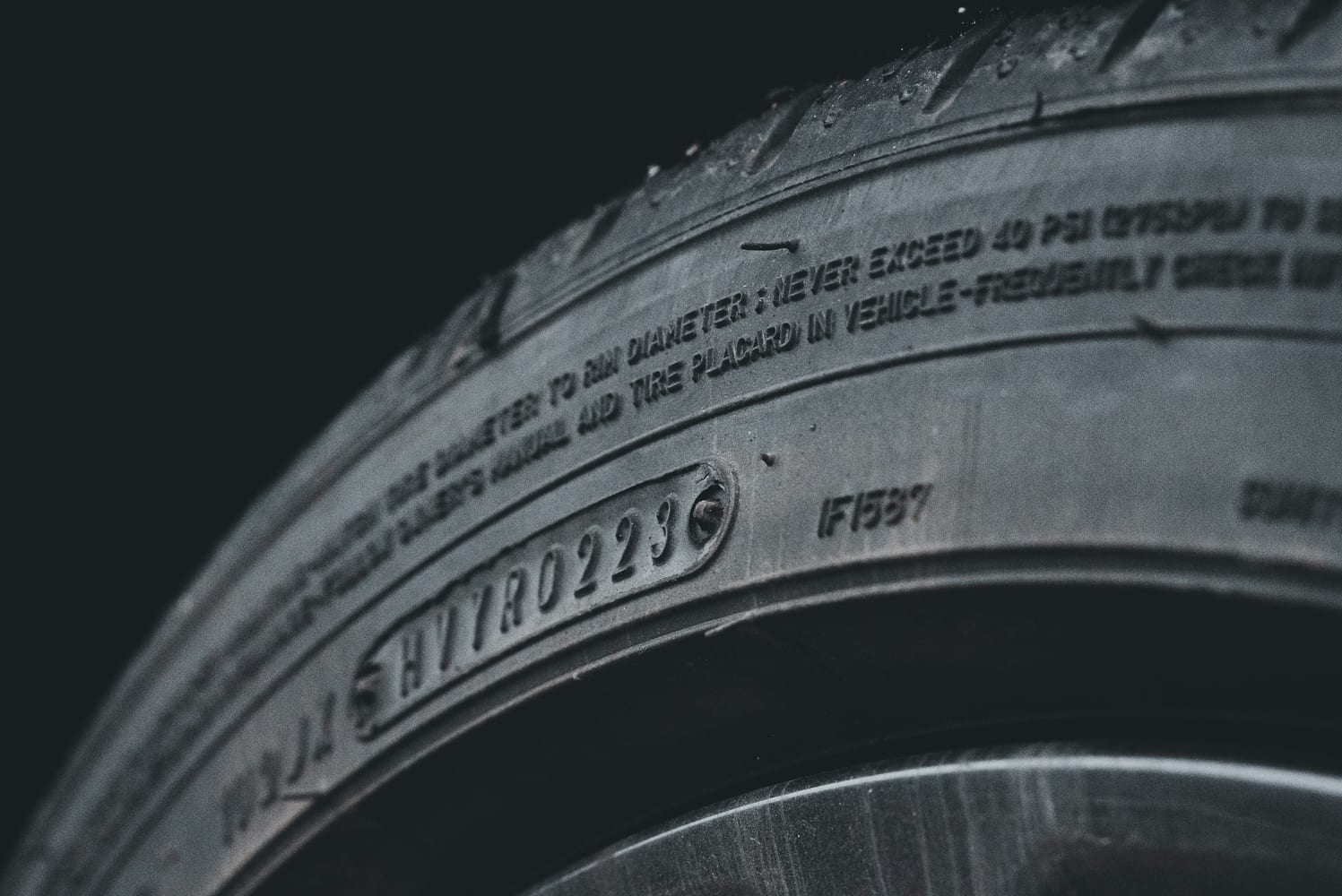
Understanding Tire Sidewall Markings
Every tire has a story to tell, and that story is written on its sidewall. Understanding these markings is crucial for selecting the right tires for your vehicle, ensuring not only safety and performance but also preventing expensive purchasing errors. The alphanumeric code printed on the tire sidewall offers insight into the tire's size, type, performance characteristics, and even its date of manufacture.
The Basics of Tire Markings
Let's start with a typical tire sidewall marking: P225/50R17 94H. Each segment of this code provides specific information:
- P: Indicates the tire is for a passenger vehicle. Other examples include 'LT' for light trucks.
- 225: This is the tire width in millimeters from sidewall to sidewall.
- 50: Represents the aspect ratio, which is the height of the sidewall as a percentage of the width. In this case, it's 50% of 225mm.
- R: Stands for radial construction, which is the standard for most modern vehicles.
- 17: The wheel diameter in inches, indicating the size of rim the tire fits.
- 94: The load index number, representing the maximum weight a tire can support.
- H: The speed rating, indicating the maximum speed capability of the tire.
The Importance of Correct Sizing
Selecting a tire with incorrect sizing can have a variety of repercussions. Not only does it impact vehicle handling and fuel efficiency, but it can also void warranties and potentially lead to hazardous driving conditions. For instance, a tire that's too wide might rub against suspension components, while one that's too narrow could negatively affect traction.
A real-world example includes a driver who purchased oversized tires to enhance their SUV's off-road capabilities. However, they experienced rubbing issues when making sharp turns and a noticeable decline in fuel efficiency due to increased rolling resistance. By consulting the vehicle's manufacturer guidelines and understanding sidewall data, they were able to choose a set of tires that offered both enhanced off-road performance and road legality.
Aspect Ratio and Performance
The aspect ratio affects how a car handles and rides. A lower aspect ratio often means better cornering stability but at the cost of ride comfort. Consider a sports car fitted with low-profile tires—these enhance handling at high speeds but make the vehicle more susceptible to road imperfections.
On the other hand, higher aspect ratios provide a smoother ride due to greater sidewall flex. Families often prefer these for minivans or sedans where comfort takes precedence over sporty handling.
Decoding Load Index and Speed Rating
The load index is critical, particularly if you regularly carry heavy loads or frequently drive long distances. It's essential to select tires that can handle your vehicle's gross weight without overheating or deteriorating quickly. A load index of 94 indicates that each tire can support 1,477 pounds, which should be matched or exceeded depending on your needs.
Speed ratings range from L (75 mph) to Y (186 mph), with most passenger vehicles requiring tires rated T (118 mph) or H (130 mph). Installing tires with a lower speed rating than recommended can compromise safety and handling, especially at highway speeds.
Case Study: Choosing Tires for Different Needs
Consider two drivers: one residing in an urban area with well-maintained roads and another living in a rural region with gravel paths. The urban driver might prioritize tires with higher speed ratings and lower profiles for improved handling and aesthetics. Meanwhile, the rural driver could select higher aspect ratios and reinforced sidewalls to withstand rough terrain.
This decision-making process highlights why understanding tire specifications is crucial—not only does it ensure compatibility and performance, but it also prevents costly mistakes like premature wear or even tire failure.
The Significance of DOT Codes
The DOT code is another important marking found on the sidewall. It stands for Department of Transportation and includes a series of letters and numbers that indicate compliance with safety standards, as well as information about the manufacturing plant and production date.
The last four digits represent the week and year of manufacture; for instance, '2119' means the tire was made in the 21st week of 2019. Knowing the age of a tire is vital since rubber compounds degrade over time. Even if unused, tires older than six years should generally be replaced to ensure safety.
Avoiding Counterfeit Tires
Counterfeit tires are a growing concern in the automotive industry. These substandard products mimic legitimate brands but fail to meet safety regulations. By understanding sidewall data and checking DOT codes against known manufacturer information, consumers can identify legitimate products and avoid fakes that could fail unexpectedly.
Practical Tips for Tire Purchases
- Consult Your Vehicle's Manual: Always start by checking your vehicle's manual for recommended tire specifications. This guidance ensures compatibility with your car's design and performance needs.
- Cross-reference Sidewall Data: When buying new tires, cross-reference the sidewall markings with those recommended by your manufacturer to avoid mismatches.
- Inspect Tires for Damage: Before purchasing, inspect tires for any visible defects or irregularities on the sidewall that could indicate poor quality or damage.
Leveraging Online Tools
Many websites offer tools that allow you to input your current tire size or vehicle model to suggest appropriate replacements. These resources are invaluable for simplifying the purchasing process but should always be cross-referenced with official recommendations.
The Environmental Impact of Tire Choices
While primarily about avoiding purchasing mistakes, understanding tire sidewalls also has environmental implications. Choosing appropriate tires can reduce fuel consumption through better rolling resistance and extend their lifespan, thereby decreasing waste.
Sustainable options such as low-resistance tires offer an environmentally friendly choice without compromising performance—a testament to how informed decisions based on sidewall data can contribute positively beyond immediate financial savings.
Conclusion
The information contained on a tire's sidewall is more than just technical jargon—it's crucial data that empowers consumers to make informed decisions. By learning to read these markings, car owners can avoid costly purchasing errors, enhance their vehicle's performance, and even contribute to environmental sustainability. With this knowledge in hand, anyone can navigate the complex world of automotive tires with confidence.