
navigating the world of off-road tires: what you need to know
Understanding Off-Road Tire Basics
Off-road tires are engineered to handle the rugged and uneven surfaces that standard road tires cannot. These tires come equipped with specific features designed to provide grip and stability over challenging terrains such as mud, rocks, sand, and snow. The primary elements that differentiate off-road tires from their highway counterparts include tread patterns, sidewall strength, and rubber compounds.
Tread Patterns: The Key to Traction
The tread pattern is crucial for off-road performance. Unlike highway tires, which have a relatively smooth tread to maximize contact with asphalt, off-road tires possess aggressive tread designs with deep grooves. These grooves help channel mud and debris away from the tire, maintaining traction in slippery conditions.
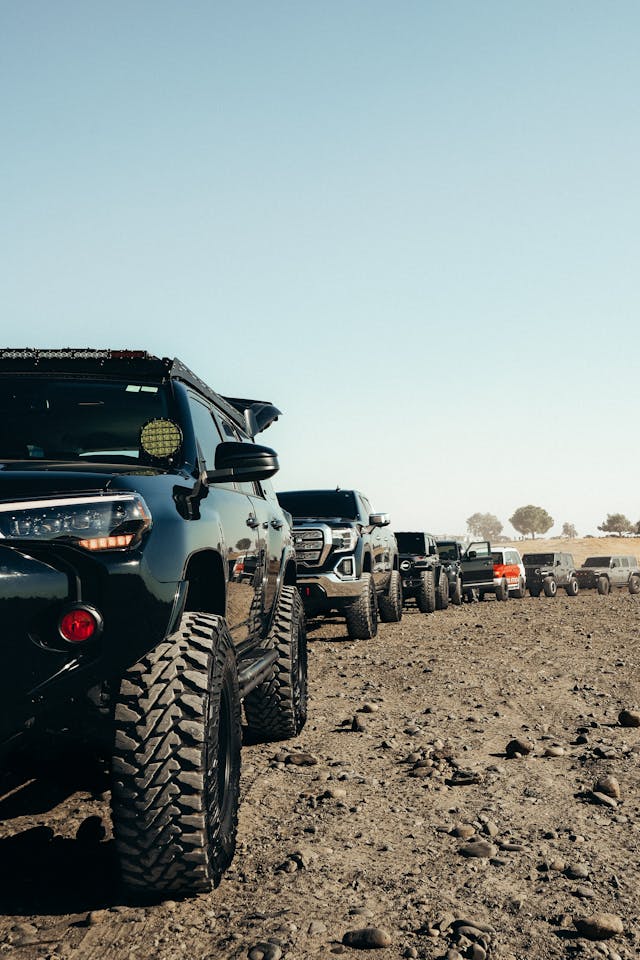
- Mud-Terrain Tires: Characterized by large, chunky tread blocks that can dig into soft terrain like mud or sand. These are ideal for off-roading enthusiasts who frequently encounter wet or soft ground.
- All-Terrain Tires: These offer a balance between off-road capabilities and on-road comfort. They feature moderate tread depth and tighter spacing, providing versatility for those who split time between highways and trails.
Sidewall Strength and Durability
Off-road tires often have reinforced sidewalls to resist punctures and abrasions from rocks and other obstacles encountered during off-roading. A thicker sidewall not only enhances durability but also improves load-bearing capacity, crucial for vehicles carrying heavy loads or towing equipment.
Some off-road tires come with additional layers of protective material known as ply ratings. While typical passenger car tires might have two ply layers, off-road variants could have up to six, offering added resistance to punctures.
Choosing the Right Off-Road Tire
Selecting the right tire involves more than just picking a set that looks aggressive. It requires a careful assessment of where you'll be driving and under what conditions.
Assessing Terrain Types
- Mud: For predominantly muddy environments, opt for mud-terrain tires with self-cleaning capabilities. This feature prevents the treads from clogging with mud.
- Rocky Trails: Tires with high ply ratings and strong sidewalls are preferred for rocky terrains to avoid cuts and punctures.
- Sand: Look for wide tires with shallower treads. These create a larger surface area to prevent sinking into loose sand.
Tire Attributes Checklist
When evaluating off-road tires, consider these key attributes:
- Tread Depth: Deeper treads generally provide better off-road traction.
- Ply Rating: Higher ply ratings indicate stronger tires suitable for rough terrain.
- Load Capacity: Ensure the tire can handle the weight of your vehicle plus any cargo.
Practical Tips for Off-Road Driving
Maximizing the performance of your off-road tires also depends on how you drive and maintain them. Here are some practical tips:
Airing Down
Lowering your tire pressure can enhance traction by increasing the tire’s contact patch with the ground. However, this should be done carefully, as too low a pressure can cause bead unseating from the rim.
Regular Inspections
Inspect tires regularly for cuts, punctures, or uneven wear. Damaged tires should be repaired or replaced immediately to ensure safety and performance.
Conclusion: Making Informed Choices
Navigating the world of off-road tires requires understanding both your vehicle's needs and the demands of your chosen terrains. By considering factors such as tread patterns, sidewall strength, and appropriate tire attributes for different surfaces, you can optimize both safety and performance on your adventures.