
Optimal Tire Pairings Based on Vehicle Use and Environmental Factors
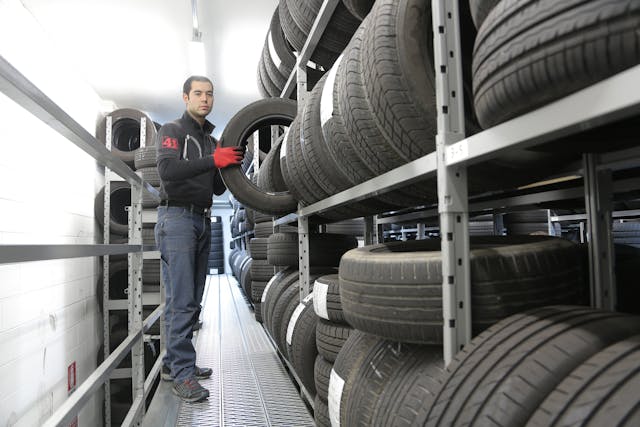
Understanding Tire Types and Their Applications
Choosing the right tires for your vehicle involves more than just selecting a brand that fits your budget. Tires are crucial to ensuring safety, performance, and efficiency. To make informed decisions, it's essential to understand the different types of tires available and how they align with your specific driving conditions.
All-Season Tires: The Versatile Performer
All-season tires are designed to provide balanced performance in varied conditions, including dry and wet roads and light winter conditions. These tires are ideal for drivers who live in regions with moderate climates without extreme weather patterns. A practical example is the Michelin Defender T+H, known for its long tread life and quiet ride.
Winter Tires: Mastering Snow and Ice
Winter tires, or snow tires, have a specialized rubber compound that remains flexible in freezing temperatures, ensuring superior grip on snow and ice-covered roads. If you reside in areas like Minnesota or Maine where harsh winters are a norm, winter tires such as the Bridgestone Blizzak WS90 can be a lifesaver by improving traction and braking.
Performance Tires: High-Speed Handling
For the car enthusiasts who enjoy spirited driving, performance tires provide enhanced handling and grip at higher speeds. They are perfect for sports cars or performance sedans used primarily in dry conditions. The Continental ExtremeContact Sport is an excellent example, offering precision steering and robust cornering capabilities.
Matching Tires to Terrain
Your driving terrain significantly influences the type of tires you should select. Let's explore how to match tire types to different driving environments.
Paved Roads: Prioritizing Comfort and Longevity
If most of your driving is on highways and city streets, comfort and durability are likely your priorities. All-season tires excel here, providing a smooth ride with low noise levels. Consider the Goodyear Assurance ComfortDrive for its reliable performance in urban settings.
Off-Road Adventures: Tackling the Rough Stuff
When off-roading in regions like Moab, Utah, you need tires built for rugged terrains such as mud, sand, and rocky trails. All-terrain tires like the BFGoodrich All-Terrain T/A KO2 offer an aggressive tread pattern that enhances grip on challenging surfaces while still performing well on paved roads.
Mixed Conditions: Adaptive Solutions
For those who face a blend of urban commuting and weekend adventures, hybrid solutions like all-terrain or crossover/SUV tires are ideal. The Pirelli Scorpion Verde All Season Plus is designed for SUVs, providing the versatility needed for varied driving scenarios.
Weather Influences on Tire Selection
Weather plays a pivotal role in tire selection, particularly regarding safety during adverse conditions. Here’s how to navigate tire choices based on common weather scenarios.
Rainy Seasons: Ensuring Wet Traction
In areas with frequent rain like Seattle, Washington, selecting tires with excellent wet traction is critical. Tires such as the Uniroyal Tiger Paw GTZ All Season 2 feature grooves designed to channel water away from the contact patch, reducing hydroplaning risks.
Hot Climates: Managing Heat
For those in hot climates like Arizona, where pavement temperatures soar, heat-resistant tires prevent blowouts and ensure longevity. Performance summer tires like the Michelin Pilot Sport 4S withstand high temperatures and deliver outstanding handling.
Cold Weather: Maintaining Grip in Frigid Conditions
In cold regions, winter tires are a necessity even if there isn’t much snow. Their ability to maintain flexibility at low temperatures helps maintain grip on cold pavement. The Nokian Hakkapeliitta R3 is tailored for severe winter conditions without compromising comfort.
The Role of Driving Style
Your driving habits also dictate tire choices. A cautious commuter might prioritize durability and comfort, whereas an aggressive driver may focus on performance attributes.
Commuter Comfort: Minimizing Road Noise
If you prioritize comfort and a quiet ride over everything else, touring tires are your best bet. These tires reduce road noise significantly while providing a plush ride. The Michelin Primacy MXM4 offers an exemplary balance of comfort and durability.
Sportive Drivers: Enhancing Performance
Drivers who prefer spirited drives often look for tires that can handle high-speed maneuvers and offer maximum grip. Performance-oriented tires like the Pirelli P Zero cater to these needs with their ultra-sticky compounds.
Tire Pairing Strategies
A systematic approach can help you pair your tires optimally based on multiple criteria:
- Categorize Conditions: Identify whether you'll primarily face wet, dry, or off-road conditions.
- Select Appropriate Tire Types: Match these conditions with all-season, winter, or performance tires as per the earlier descriptions.
- Align with Vehicle Requirements: Ensure that your chosen tires meet your vehicle's specifications for load capacity and speed rating.
This strategy ensures that you're well-equipped to handle any situation your environment throws at you, optimizing both safety and performance.
Practical Workflow for Selecting Tires
- Analyze Your Driving Environment: Determine the typical weather patterns and terrain you encounter regularly.
- Evaluate Your Driving Habits: Reflect on how your driving style affects tire wear and performance needs.
- Research Tire Options: Utilize online resources and reviews to shortlist options suitable for your conditions.
- Consult Professionals: Discuss options with a trusted mechanic or tire specialist to finalize your choice.
By following this workflow, you can select a tire set that provides optimal performance across all your driving scenarios.